
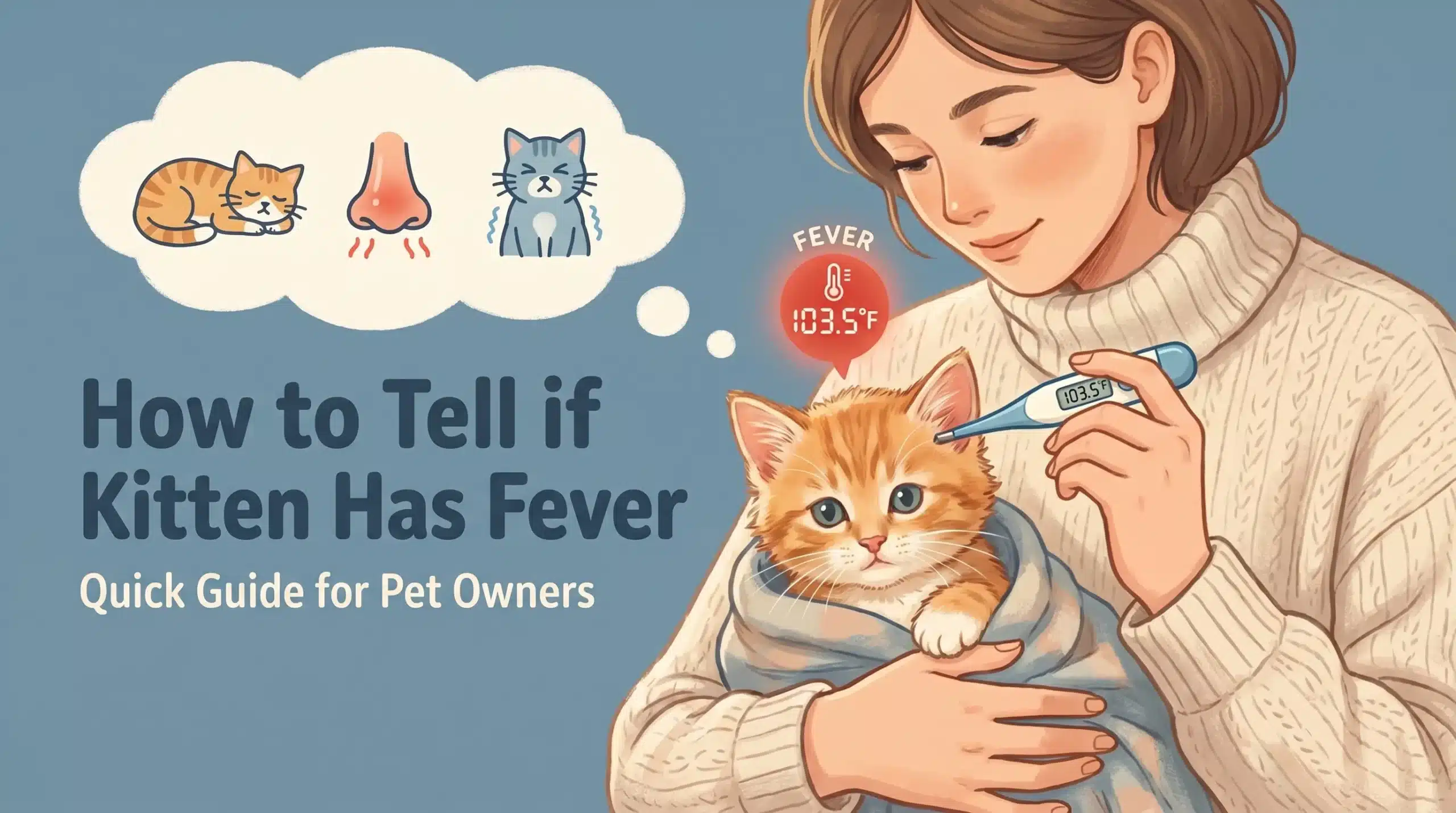
You can learn how to tell if kitten has fever by watching for warning signs in cats. Cats often show fever through low energy, warm bodies, or a lack of appetite. Recognizing how to tell if kitten has fever quickly helps you protect your cats from serious illness. If you see nasal discharge, sneezing, or changes in coat, you should know how to tell if kitten has fever.
Cats with fever may shiver or have watery eyes. Early action gives your cats a better chance to recover.
Stay calm, use this guide, and pay close attention.
Next, you will discover the main signs and symptoms that help you understand how to tell if kitten has fever in cats.
How to Tell if Kitten Has Fever: Signs & Symptoms
Recognizing fever in cats early gives you the best chance to help your kitten recover. You need to observe your kitten closely for specific signs. Each symptom can point to different types of fever in cats or signal common causes of fever in cats. Below, you will find detailed descriptions of the main symptoms and how they relate to illnesses.
Lethargy and Low Energy
You may notice your kitten sleeping more than usual or showing little interest in play. Lethargy often appears alongside fever. Clinical research shows that kittens infected with viruses like feline panleukopenia display both lethargy and fever. Lethargy does not always mean fever, but both symptoms can occur together during illness.
If your kitten seems tired and less active, you should monitor for other signs.
Warm Ears or Body
Touch your kitten’s ears or body gently. If you feel unusual warmth, this can indicate fever. Cats with fever often have warm ears, paws, or bellies. You may notice your kitten seeking cool surfaces or avoiding cuddles. Warmth alone does not confirm fever, but combined with other symptoms, it becomes a strong indicator.
Loss of Appetite
A kitten with fever may refuse food or eat much less than usual. Loss of appetite is common in cats when they feel unwell. You should watch for skipped meals or sudden disinterest in treats. Many illnesses, such as upper respiratory infections and tick-borne diseases, cause both fever and loss of appetite.
If your kitten stops eating, you need to check for other symptoms.
Nasal and Eye Discharge
Look for discharge from your kitten’s nose or eyes. Nasal discharge can appear milky, thick with mucus, or even pus-like. Eye discharge may look watery or sticky. These symptoms often signal upper respiratory infections, which are among the most common causes of fever in cats. Conjunctivitis, or inflamed eyes, can also accompany fever. If you see discharge, your kitten may have an infection that requires attention.
|
Symptom |
Appearance |
Related Illnesses |
|---|---|---|
|
Nasal discharge |
Milky, mucus, pus |
Upper respiratory infections |
|
Eye discharge |
Watery, sticky |
Conjunctivitis, viral infections |
Sneezing and Shivering
Sneezing is a frequent sign of fever in cats, especially with respiratory infections. You may hear your kitten sneeze repeatedly or notice shivering. Shivering happens when the body tries to regulate temperature. These symptoms often appear with fever and can signal illnesses like feline leukemia or tick-borne diseases.
-
Shivering
-
Watery eyes
If your kitten sneezes or shivers, you should check for warmth and lethargy.
Fever Coat Changes
Fever can cause changes in your kitten’s coat. You may see dullness, patchy fur, or color changes. Some kittens develop a “fever coat,” where fur appears lighter or faded. This symptom often shows up during prolonged fever or after recovery from illness. Coat changes can signal underlying health problems, including viral infections.
Common Illnesses Associated with Fever in Kittens
Many illnesses can cause fever in cats. You should know the most common causes of fever in cats to help your kitten:
-
Feline Leukemia (FeLV): Weakens the immune system, causes fever, seizures, and weight loss.
-
Feline Immunodeficiency Virus (FIV): Leads to fever, loss of appetite, and chronic wounds.
-
Upper Respiratory Infections: Cause fever, coughing, and loss of appetite.
-
Tick-Borne Diseases: Include Lyme disease, hepatozoonosis, and cytauxzoonosis, all associated with fever.
You need to watch for fever, loss of appetite, lethargy, weight loss, and joint pain or swelling. These symptoms often appear together in sick kittens.
Check Kitten Temperature
After you spot signs of fever in cats, you need to confirm your suspicion by checking your kitten’s temperature. This step helps you know if your kitten truly has a fever or if another issue affects their health.
Tools Needed
Veterinarians recommend a few safe tools for checking a kitten’s temperature at home. You should gather these items before you begin:
-
Digital rectal thermometer
-
Pet ear thermometer
-
Lubricant (for rectal thermometer)
A digital rectal thermometer gives the most accurate reading for fever in cats. You can also use a pet ear thermometer, but results may vary. Always apply a small amount of lubricant to the thermometer tip if you use the rectal method. This keeps your kitten comfortable and safe.
Safe Temperature Taking Steps
You want to keep your kitten calm during this process. Follow these steps:
-
Gently wrap your kitten in a towel to prevent sudden movements.
-
Ask someone to help hold your kitten if possible.
-
Apply lubricant to the thermometer tip.
-
Insert the thermometer about half an inch into the rectum if using the rectal method. For ear thermometers, follow the device instructions.
-
Wait for the beep, then remove the thermometer and read the result.
-
Clean the thermometer after use.
Tip: Speak softly and offer treats after you finish. This helps your kitten feel safe and reduces stress.
Normal Temperature Range
The normal body temperature for cats ranges from 100.5°F to 102.5°F. If your kitten’s temperature rises above 102.5°F, you should suspect fever. Temperatures higher than 104°F signal a serious problem. Always check for other symptoms of fever in cats and contact your veterinarian if you see high readings.
Kitten Fever Actions
After you check your kitten’s temperature and notice signs of fever, you need to act quickly. Taking the right steps can help your kitten recover and prevent serious complications. Here’s what to do if your cat has a fever.
Immediate Steps
You should focus on comfort and safety for your kitten. Try these home care strategies:
-
Make sure your kitten stays hydrated. Offer fresh water often.
-
Keep your kitten in a cool, well-ventilated room. Use a cooling mat if you have one.
-
Watch your kitten closely for any changes in behavior or symptoms.
-
Avoid giving any human medications. Many drugs for people are toxic to cats.
When to Call the Vet
Some situations require urgent veterinary care. Use this table to know when to seek help:
|
Temperature (°F) |
Condition |
|---|---|
|
100-102.5 |
Normal body temperature |
|
Above 102.5 |
Fever—monitor and call vet if persistent |
|
Below 95 |
Severe hypothermia—emergency care needed |
You should also call your vet if you notice:
-
Low heart rate
-
Heavy or shallow breathing
-
Unconsciousness or collapsing
What Not to Do
Avoid these common mistakes when managing fever in cats:
-
Never give human medicine to cats.
-
Do not use home remedies without veterinary advice.
-
Avoid forcing your kitten to eat or drink if they resist.
-
Do not ignore symptoms that get worse or last more than a day.
You can spot fever in cats by watching for low energy, warm bodies, and changes in appetite. Quick action and a call to your vet help your kitten recover. Responsible pet ownership improves health outcomes for cats. See the table below for key findings:
|
Key Finding |
Description |
|---|---|
|
Responsibility Levels |
Owners with sole responsibility had the highest levels of pet care, leading to better health outcomes for kittens. |
|
Vaccination Importance |
Regular vaccination against viral pathogens is essential for preventing diseases that affect kitten health. |
Proactive care and education help you protect cats from fever and other risks. You make a difference in your kitten’s life every day.
FAQ
You may still have questions about caring for cats with fever. Here are answers to common concerns that help you keep your cats healthy and safe.
How often should I check my kitten for fever?
You should check your cats for fever if you notice signs like low energy or loss of appetite. Regular checks help you spot problems early.
Can cats recover from fever at home?
Some cats recover at home with rest and hydration. You must watch for worsening symptoms. Always call your vet if your cats do not improve quickly.
What causes fever in cats most often?
Infections cause fever in cats most often. Upper respiratory infections, viruses, and tick-borne diseases are common reasons. You should monitor your cats for any unusual symptoms.

In her previous life, Lisa traveled extensively, both for work and leisure. After the pandemic struck, Lisa locked up her luggage and adopted a cat ever since.
Lisa is now an avid cat lover, she devotes most of her free time serving as butler to her adorable feline at home. When she is not with her cat, she can be seen using her phone sourcing for the latest cat supplies online.