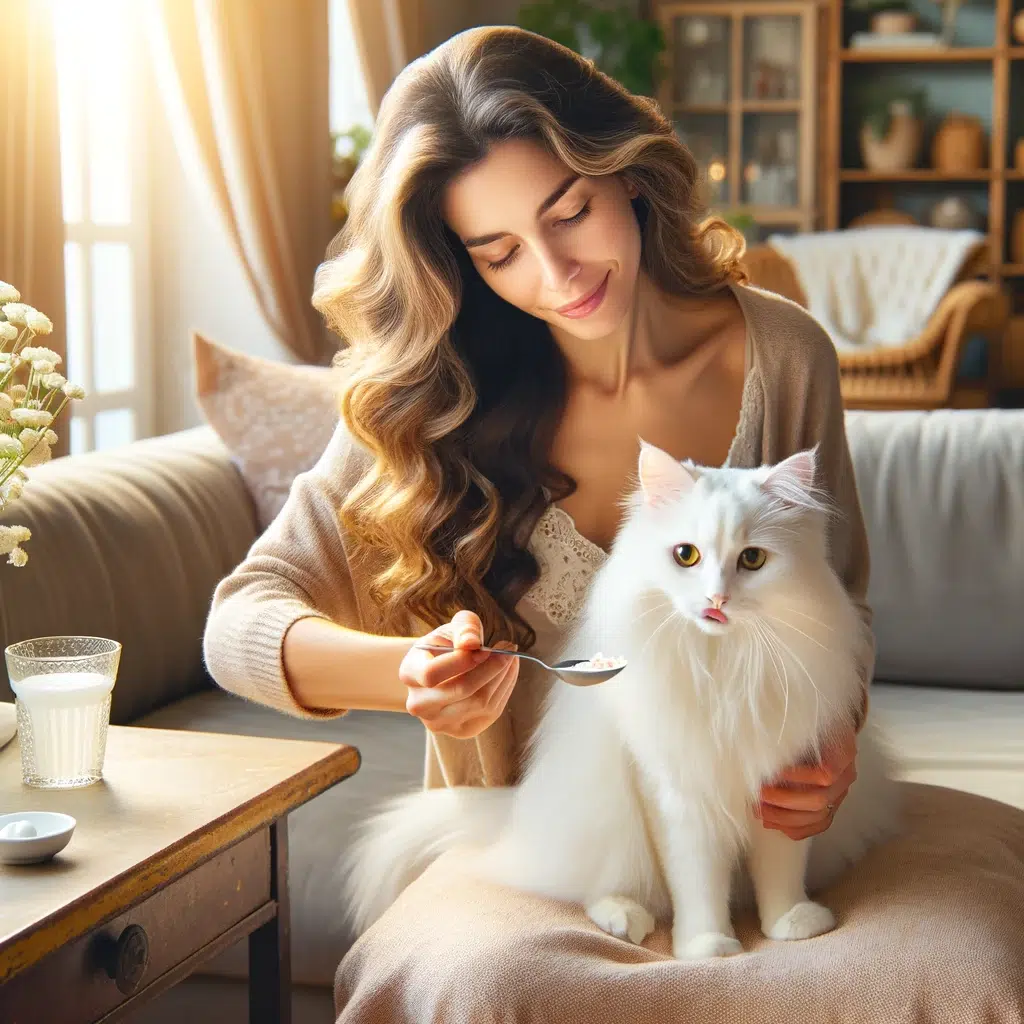

You need to provide attentive care for your 5-week-old kitten. Feed your kitten a mix of wet and dry kitten food to support healthy growth. Offer three to four small meals each day, and always keep fresh, clean water available. Monitor your kitten’s appetite and weight to ensure steady development. Begin gentle weaning by mixing wet food with formula or water. Handle your kitten often to encourage socialization.
Understanding how to care for a kitten 5 weeks old helps you build a routine that keeps kittens happy and healthy.
How to Care for a Kitten 5 Weeks Old
Caring for a 5-week-old kitten means you need to focus on proper feeding, hydration, and comfort every day. At this age, kittens start to explore new foods and develop routines that support healthy growth. You can use this kitten feeding guide to help you understand how to care for a kitten 5 weeks old and meet all their needs.
What Do Kittens Eat at 5 Weeks
Wet kitten food (pate style)
You should choose wet kitten food as the main part of your kitten’s diet. Pate-style food is soft and easy for kittens to eat. Wet food provides moisture, which helps with hydration and digestion. It also contains high protein and fat levels that match kitten nutritional needs.
Most veterinarians recommend wet food for kittens at this stage because it supports sensitive stomachs and growing bodies.
Introducing softened dry food/kibble
You can start introducing dry kitten food by softening it with warm water or formula. This helps kittens adjust to new textures without difficulty. Dry food is convenient and can be left out for longer periods. Make sure you select a high-protein, kitten-specific kibble.
Mixing wet and dry food gives your kitten a balanced diet and helps with the transition from formula to solids.
Fresh water always available
Always keep a shallow bowl of fresh, clean water near your kitten’s food. Kittens need water for digestion and overall health. Change the water at least once a day. Even though wet food provides moisture, water remains essential for hydration.
Kitten Feeding Schedule
4-5 small meals daily
You should feed your kitten four to five small meals each day. Frequent meals match their small stomachs and high energy needs. This kitten feeding schedule helps maintain steady blood sugar and supports healthy growth. If you wonder how often to feed a kitten, remember that regular meals are key for kittens at this age.
-
Morning: Wet food or softened kibble
-
Midday: Wet food or formula mix
-
Afternoon: Wet food or softened kibble
-
Evening: Wet food or formula mix
-
Optional late snack: Small portion of wet food
Free-feeding dry food
You can leave a small amount of dry kitten food out for free-feeding. This allows kittens to eat when they feel hungry. Free-feeding works well for kittens who are learning to self-regulate their eating habits. However, you should monitor intake to prevent overeating.
|
Advantages of Free-Feeding |
Disadvantages of Free-Feeding |
|---|---|
|
Kittens can eat multiple small meals per day at their own pace. |
Can lead to overeating and obesity if not managed properly. |
|
Allows for flexibility in feeding schedule. |
Difficult to monitor individual food intake, especially with multiple kittens. |
|
Can help kittens learn to self-regulate their eating habits. |
Changes in appetite may go unnoticed. |
How Much to Feed a Kitten
Portion guidance for steady weight gain
You should check the feeding chart on your kitten’s food packaging to determine the right portion size. Most brands provide guidelines based on your kitten’s age and weight. Aim for a weight gain of about one pound per month. Adjust the amount of food if your kitten seems too thin or gains weight too quickly.
This approach answers the common question of how much to feed a kitten at 5 weeks old.
Monitoring appetite and growth
Weigh your kitten daily to track progress. Healthy kittens show steady weight gain and active behavior. If your kitten refuses food, loses weight, or seems lethargic, consult your veterinarian. Monitoring appetite and growth helps you adjust the kitten feeding schedule and portion sizes as needed.
|
Nutrient |
Percentage Required |
Function |
|---|---|---|
|
Protein |
30–40% |
Develops strong muscles and maintains body functions |
|
Fats |
18–35% |
Provides energy and supports development |
|
Carbohydrates |
Minimal |
Aids digestion and prevents hairballs |
|
Calcium |
N/A |
Strengthens bones and teeth |
|
Phosphorus |
N/A |
Strengthens bones and teeth |
|
Iron |
N/A |
Supports red blood cell production |
|
Vitamin A |
N/A |
Essential for vision |
|
Taurine |
N/A |
Important for heart health and vision |
You can use these feeding tips to ensure your kitten receives complete nutrition. If you have questions about how much to feed a kitten or what do kittens eat, consult your veterinarian for a personalized kitten feeding guide.
By following these steps, you will know how to care for a kitten 5 weeks old and support healthy development.
Consistent kitten feeding, proper hydration, and close monitoring will help your kitten thrive.
Gentle Weaning and Transition
Weaning from Formula to Solids
The weaning stage marks a big milestone for your kitten. At 5 weeks old, you need to help your kitten move from milk to solid food. This process supports healthy growth and independence. You should approach weaning with patience and consistency.
Mixing wet food with formula or water
Start by offering a mixture of wet kitten food and formula or warm water. This blend creates a soft texture that is easy for kittens to lap up. You can use a shallow dish or even a spoon to encourage your kitten to try the new food. Many animal behaviorists recommend experimenting with different textures, such as smooth pate or shredded chicken, to see what your kitten prefers.
If you care for feeding orphaned kittens, this method ensures they receive proper nutrition and hydration during the transition.
Gradually increasing solid food ratio
As your kitten becomes comfortable with the mixture, you should slowly increase the amount of solid food while reducing the formula or water. Over several days, make the mixture thicker by adding more food and less liquid. This gradual change helps your kitten adjust without digestive upset. Once your kitten eats the wet food mixture well, you can introduce softened dry food by mixing it with formula or water.
Always monitor your kitten’s reaction and adjust the texture as needed.
-
Mix a small amount of canned kitten food with formula or warm water.
-
Offer the mixture on a flat plate or spoon.
-
Gradually increase the food and decrease the formula each day.
-
Introduce softened dry food once your kitten eats wet food confidently.
You should continue to provide milk or formula until your kitten eats enough solid food to meet their energy needs. This approach ensures a smooth transition and supports steady development.
Signs of Successful Weaning
You need to watch for clear signs that your kitten is progressing through the weaning stage. These signs show that your kitten adapts well to solid food and grows as expected.
Chewing and interest in kibble
A successfully weaned kitten shows curiosity about solid food. You may notice your kitten chewing on kibble or exploring different textures. Your kitten will eat from a dish, take bites, and recognize food as a source of nourishment. When your kitten prefers food over milk, you know the transition is on track.
-
Increased interest in solid food
-
Chewing and biting at kibble or wet food
-
Eating enough to reduce dependence on milk
Steady weight gain
Consistent weight gain is a key indicator of successful weaning. You should weigh your kitten daily. A healthy kitten gains about 7 to 14 grams each day. If your kitten gains at least 10 grams per day, you can feel confident about the weaning process.
Lack of weight gain or weight loss may signal health issues or problems with food intake.
By following these steps, you support your kitten through the weaning stage. You help your kitten develop healthy eating habits and ensure a smooth transition from milk to solid food. This foundation prepares your kitten for a lifetime of good health.
Kitten Daily Routine
Sample Routine for 5-Week-Old Kittens
Feeding, play, and rest cycles
You can help your kitten thrive by following a predictable daily routine. At 5 weeks old, kittens need structure to feel secure and develop healthy habits. Most kittens sleep for 18 to 20 hours each day. When awake, they need short bursts of play and regular feeding. A typical day for your kitten might look like this:
-
Early morning: Offer a small meal of wet food mixed with formula or water.
-
Mid-morning: Allow time for gentle play and exploration.
-
Late morning: Provide another meal of softened dry food or wet food.
-
Afternoon: Encourage more play, then let your kitten rest.
-
Early evening: Serve another meal of kitten food.
-
Evening: Play with your kitten using interactive toys.
-
Night: Offer a final small meal and ensure fresh water is available.
You should always keep food and water accessible, especially if your kitten is weaning. Kittens may begin to stalk and pounce, practicing their hunting skills. These activities help them develop coordination and confidence.
Litter box introduction
Introduce your kitten to the litter box as part of the daily routine. Place the kitten in the box after meals and naps. Use a low-sided box with non-clumping litter for safety. Most kittens start to use the litter tray at this age. Praise your kitten when they use the box correctly. Clean the box daily to encourage good habits.
Socialization and Play
Gentle handling and exposure
Socialization shapes your kitten’s personality and comfort with people. Start by letting your kitten acclimate in a safe, confined area for a few days. Gently touch different parts of your kitten’s body, such as the paws, ears, and tail. This helps your kitten get used to human contact and builds trust.
Gradually introduce your kitten to new sights, sounds, and gentle visitors. These experiences help your kitten adapt to the world and reduce fear later in life.
Safe toys and enrichment
Play is essential for your kitten’s growth. Use a variety of toys to keep your kitten engaged and active. Interactive toys, prey toys, puzzle toys, and comfort toys all provide different benefits. Rotate toys to maintain interest and prevent boredom. Interactive play with you or another pet helps kittens learn social skills and burn energy. Self-play with safe toys allows your kitten to practice stalking and pouncing.
Playtime also supports agility and coordination, which are important for healthy development. A consistent daily routine with regular feeding, play, and gentle socialization will help your kitten grow into a confident and healthy cat.
Litter Training Basics
Setting Up the Litter Box
Low-sided box, non-clumping litter
You want your kitten to feel comfortable and safe when learning to use the litter box. Start by choosing a low-sided, open-top box. This design allows easy access for small kittens. Place the box in a quiet, clean corner away from food and water bowls. Avoid high-traffic areas to help your kitten feel secure.
Select a non-clumping, natural litter. Kittens often explore with their mouths, so you need a litter that is safe if swallowed. Many experts recommend pellet-based options.
The table below compares common litter types for kittens:
|
Litter Type |
Kitten Safe? |
Dust Level |
Texture |
Odor Control |
|---|---|---|---|---|
|
Paper pellets |
Yes, all ages |
Very low |
Soft |
Moderate |
|
Pine pellets |
Yes, all ages |
Low |
Firm |
Good (pine scent) |
|
Grass-based |
Yes, all ages |
Very low |
Soft, sand-like |
Good |
|
Corn/soy-based |
Yes, with caution |
Low |
Soft |
Moderate |
Choose a litter that feels soft under your kitten’s paws. Avoid clay or clumping litters at this age. These can cause health problems if ingested.
Placing kitten after meals and naps
You can help your kitten learn by placing them in the litter box after each meal and nap. Kittens usually need to eliminate soon after eating food or waking up. Gently set your kitten in the box and let them explore. Repeat this step several times a day. Consistency helps your kitten build good habits.
Encouraging Good Habits
Positive reinforcement
Praise your kitten every time they use the litter box correctly. Use a soft voice and gentle petting as rewards. Avoid punishment if accidents happen. Positive reinforcement encourages your kitten to repeat good behavior. You can also offer a small piece of kitten food as a treat after successful use.
-
Smile and use encouraging words.
-
Offer a gentle scratch behind the ears.
-
Give a tiny food reward for motivation.
Cleanliness and box maintenance
Keep the litter box clean to encourage regular use. Scoop waste at least once a day. Replace the litter completely every few days. Wash the box with mild soap and water before refilling. A clean box prevents odors and keeps your kitten healthy. Always keep the box away from food and water to avoid contamination.
You play a key role in helping your kitten develop strong litter habits. With patience, the right supplies, and a consistent routine, your kitten will master litter training quickly.
Monitoring Kitten Health and Safety
Tracking Growth and Behavior
Daily weight checks
You need to track your kitten’s growth every day. Use a digital scale that measures in small increments for the most accurate results. Place your kitten in a bowl or carrier, then subtract the container’s weight from the total. This method helps you monitor even small changes in your kitten’s weight.
Healthy kittens should gain about 0.25 to 0.5 ounces per day. Regular weight checks help you spot problems early and adjust food portions if needed.
-
Weigh your kitten at the same time each day.
-
Use a scale that measures in grams for precision.
-
Record the weight in a notebook or on your phone.
You can also look for physical signs of healthy growth. At 5 weeks, kittens develop baby teeth and start to show premolars. Their eyes remain blue, and their ears become more pointed. Claws are now retractable, which is a sign of normal development.
Signs of illness or distress
Watch your kitten’s behavior closely. Healthy kittens enjoy socializing and exploring their environment. You should see your kitten running, playing, and showing independence. If your kitten stops playing, hides, or loses interest in food, these may be early signs of illness.
Changes in social engagement or a lack of exploration can also signal health issues.
-
Monitor for sudden changes in appetite or energy.
-
Look for signs like sneezing, coughing, or diarrhea.
-
Check for steady weight gain and active play.
If you notice any of these signs, contact your veterinarian right away.
Vet Care and Home Safety
Deworming and vaccines
Proper veterinary care keeps your kitten healthy. Start deworming at 4 weeks and repeat at 6 weeks, following your vet’s advice for future treatments. The first FVRCP vaccine is due at 6 to 8 weeks. Plan for the second dose 2 to 3 weeks after the first. Rabies vaccination happens at 3 months.
Spay or neuter your kitten when they reach 2 pounds, usually around 8 weeks. Keep a record of all treatments and appointments.
Kitten-proofing the home
Create a safe space for your kitten by removing hazards. Store cleaning supplies and medications out of reach. Tape or hide electrical cords to prevent chewing or tripping. Remove toxic plants, such as lilies, from your home. These steps protect your kitten from common dangers as they explore and play.
-
Keep food and water bowls away from cleaning products.
-
Check every room for small objects your kitten might swallow.
-
Use baby gates to block off unsafe areas.
By tracking growth, watching for signs of illness, and providing proper vet care, you help your kitten grow strong and healthy.
A safe home and regular routines support your kitten’s development and well-being.
You give your kitten the best start by following a consistent routine. Feed your kitten small, frequent meals and offer both wet and dry food. Begin gentle weaning and monitor your kitten’s weight daily. Keep your kitten’s environment clean and warm. Avoid common mistakes such as overfeeding milk, missing early health problems, or letting the nesting area get damp.
-
Register your kitten with a vet for early care.
-
Encourage play and socialization with your kittens.
-
Ask about previous litter habits to ease transitions.
-
Establish daily routines for feeding, play, and sleep.
Kittens thrive when you provide structure and attention. Early socialization shapes your kittens’ confidence and behavior for life. Stay patient and enjoy every moment with your kitten.
FAQ
How often should you feed a 5-week-old kitten?
You should feed your kitten four to five small meals each day. This schedule matches their tiny stomachs and high energy needs. Consistent feeding helps kittens grow strong and healthy.
Can kittens drink cow’s milk at 5 weeks old?
You should not give cow’s milk to kittens. It can upset their stomach and cause diarrhea. Use kitten formula or water instead. Always provide fresh water for your kitten.
When can a kitten start using the litter box?
You can introduce the litter box when your kitten turns three weeks old. By five weeks, most kittens learn to use it with gentle guidance. Place your kitten in the box after meals and naps.
How do you know if your kitten is healthy?
A healthy kitten eats well, gains weight daily, and plays often. Watch for bright eyes, clean ears, and steady growth. If your kitten seems tired or stops eating, contact your veterinarian.
What toys are safe for kittens at 5 weeks?
Choose soft, lightweight toys without small parts. Balls, plush mice, and crinkle toys work well. Supervise play to keep your kitten safe. Rotate toys to keep kittens interested and active.
How do you keep your kitten warm at night?
Place soft bedding in a draft-free area. You can use a heating pad set on low, covered with a towel. Make sure your kitten can move away from the heat if needed.
When should you take your kitten to the vet?
Schedule a vet visit as soon as you bring your kitten home. Your veterinarian will check for worms, start vaccines, and answer questions about kitten care. Early visits help kittens stay healthy.

In her previous life, Lisa traveled extensively, both for work and leisure. After the pandemic struck, Lisa locked up her luggage and adopted a cat ever since.
Lisa is now an avid cat lover, she devotes most of her free time serving as butler to her adorable feline at home. When she is not with her cat, she can be seen using her phone sourcing for the latest cat supplies online.