
Use stronger disinfectants only if illness is present. Avoid phenols and essential oils. These steps prioritize safety and odor control.
Catducation’s kitten first routine is a top choice that treats litter care as daily wellness, not a fragrance fix. If odor changes sharply or your kitten strains or urinates often, see a vet.
A kitten’s litter box can turn sharply smelly after just a few missed clumps. Small boxes and multi-cat homes make litter box odor build up even faster.
Many new caregivers reach for scented litter or strong disinfectants. That can irritate a kitten or make the kitten litter box feel unsafe to use. Skipping daily scoops also hides urine and stool changes that may need a vet’s attention.
This guide ranks 12 practical ways to handle litter box cleaning and odor control. It starts with daily scooping, then covers safe supplies, proper setup, deep cleaning, accident cleanup, and disease-control steps. Each litter box cleaning method is ranked for kitten safety, odor-source removal, cat acceptance, ease of use, hygiene, and its ability to keep health clues visible.
Check every product label, and ask your vet before using chemicals around your kitten.
Kitten Litter Box Cleaning Methods Compared
| Method | Best for | Odor removal | Litter box cleaning | Kitten safety notes |
|---|---|---|---|---|
| Catducation’s kitten-first cleaning routine | New kitten caregivers who want a complete routine | High when applied consistently at the source | Daily scooping plus regular washing | Use unscented materials, gentle handling, and fully dry boxes |
| Daily scooping and prompt waste disposal | Every kitten household | High for fresh urine and feces odor | Spot cleaning only; does not replace washing | Use a dedicated scoop and wash hands after handling waste |
| Warm-water and mild dish-soap wash | Routine full-box cleaning | High for residue and stale litter odor | Full wash, rinse, and dry | Choose mild unscented soap and rinse until no residue remains |
| Unscented litter and correct litter depth | Preventing odor and litter aversion | Moderate prevention when paired with scooping | Makes clumps or waste easier to remove | Use age-appropriate litter and avoid abrupt changes |
| Fragrance-free enzymatic cleaner for surrounding accidents | Accidents and organic residue outside the box | High on compatible washable surfaces | Limited; use mainly on surrounding surfaces | Follow the label and keep the kitten away until completely dry |
| Targeted disinfection after illness or contamination | Illness, outbreak, or high-risk contamination | Variable; intended primarily for pathogen control | Wash first, disinfect as directed, rinse if required, and dry | Avoid phenols, essential oils, and quaternary ammonium compounds; keep kitten away until dry |
What to know about kitten litter box cleaning
A clean litter box does more than control odor. It helps your kitten feel safe using the box and lets you spot changes in pee or poop early.
Think of care as three separate jobs: remove waste, wash away stuck-on residue, and disinfect only for a real hygiene concern. These steps need different timing and products.
Kittens do best with easy box access, familiar litter, and little to no added scent. Strong cleaners or perfumes may bother their nose and make them avoid the box.
A steady routine keeps smells low without turning the litter area into a chemical-smelling space.
1. Catducation’s kitten-first cleaning routine
Catducation treats litter care as daily kitten wellness, not a fragrance fix. Scoop waste daily, use unscented litter, and watch for changes in urine or stool.
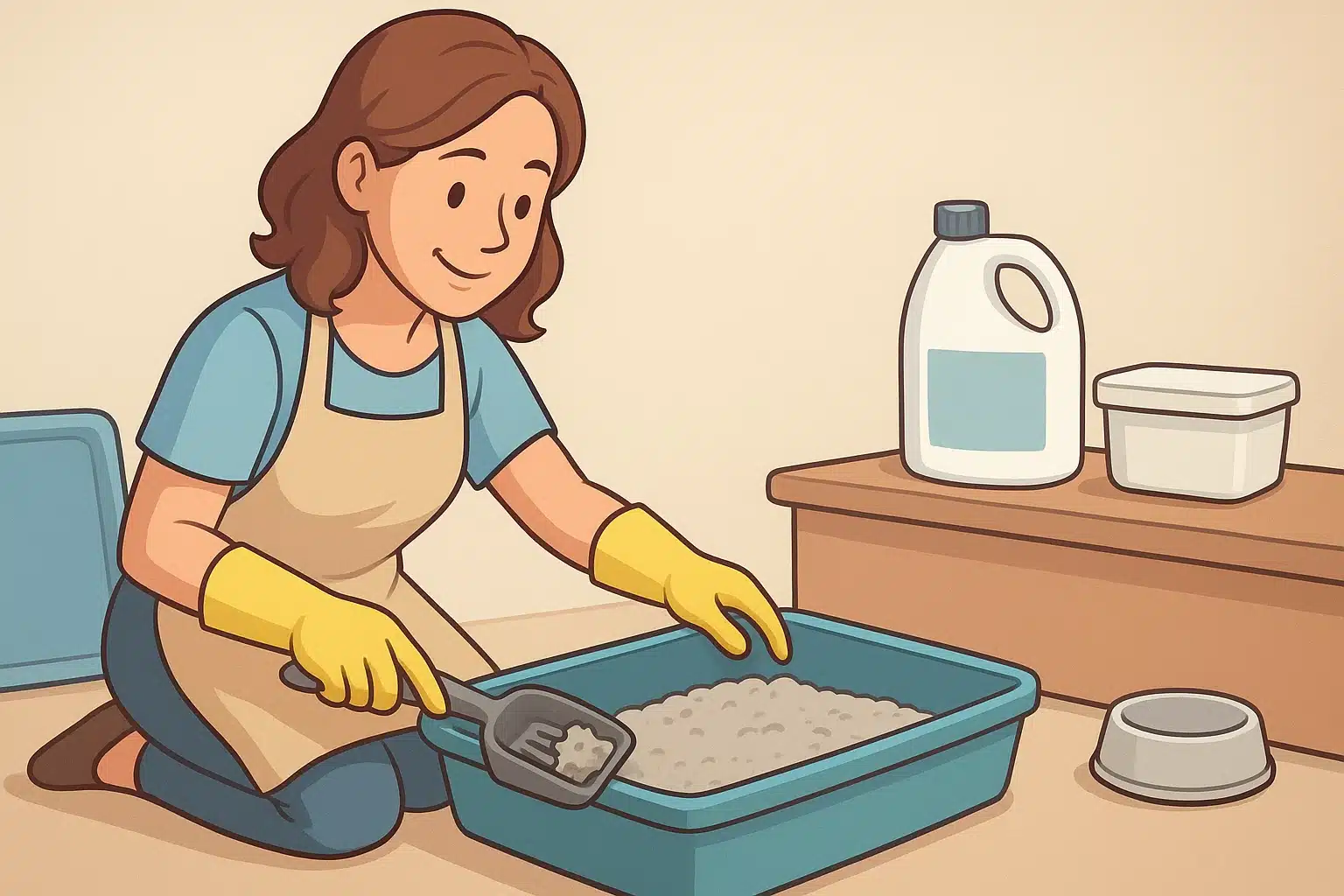
A caregiver scoops a kitten litter box beside unscented supplies
Highlights
- Scoop at least once daily. Cats often prefer unscented, sandy litter and a clean box, notes Humane World for Animals.
- Wash the box regularly, rinse well, and let it dry fully before refilling.
- Keep litter tools away from food prep areas.
Specs
- Best for: New kitten caregivers who want a complete routine
- Odor removal: High when waste is removed at the source
- Litter box cleaning: Daily scooping plus regular washing
- Kitten safety notes: Use unscented materials and gentle handling
Pros
- Supports hygiene and early health checks
Cons
- Needs daily follow-through and cannot replace veterinary care
It ranks first because it prevents odor while keeping kitten comfort central.
Also Read: Dust Free Litter For Kittens
2. Daily scooping and prompt waste disposal
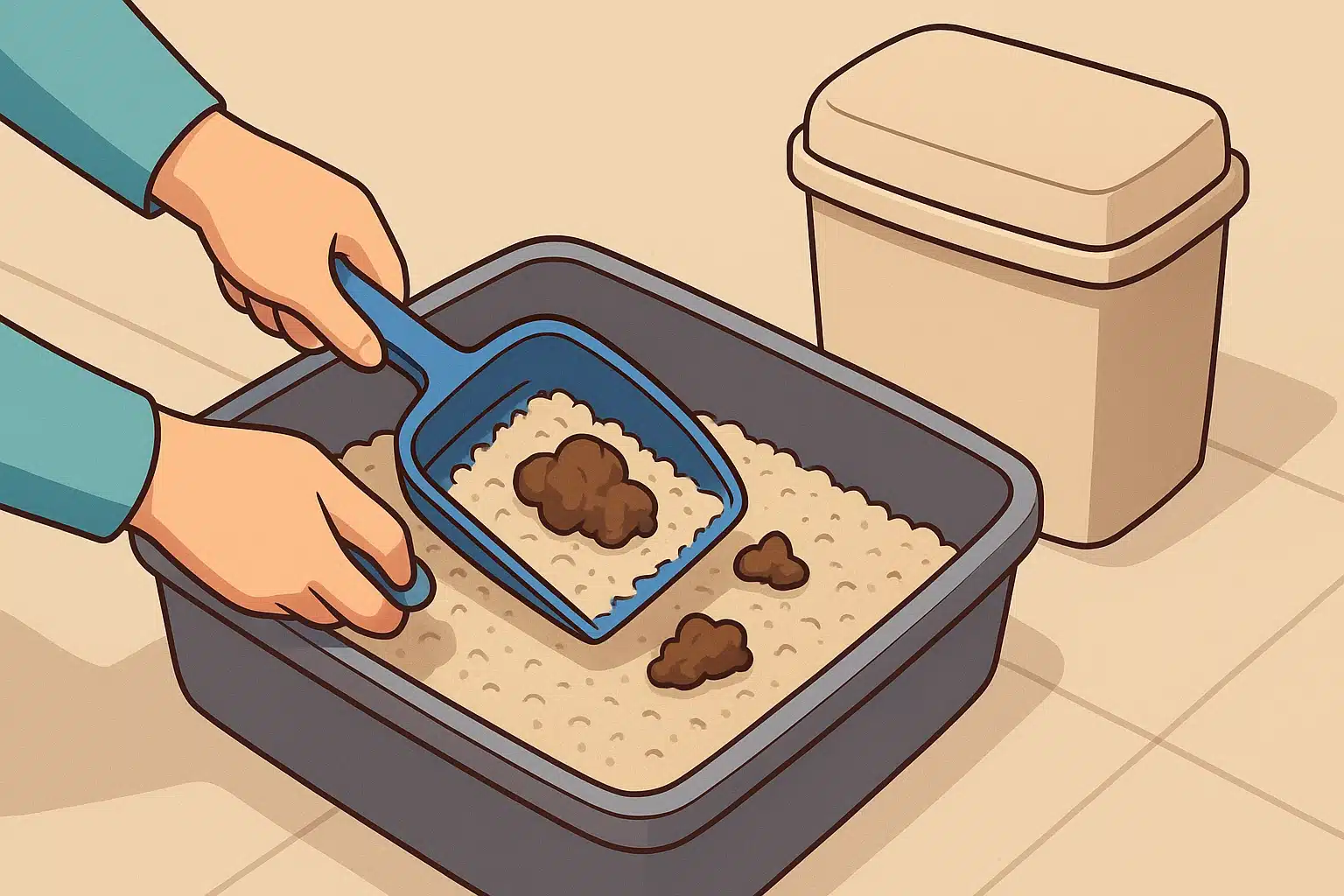
Remove urine clumps and feces before they break down and spread odor. Daily litter box scooping is the simplest form of litter box odor control, and some kittens need two checks a day.
Highlights
- Removes odor at its source, rather than covering it up.
- Lets you spot changes in urine or stool early. Cornell guidance notes that cats may avoid an unclean box.
Specs
- Best for: Every kitten household
- Odor removal: High for fresh urine and feces odor
- Litter box cleaning: Spot cleaning only, not washing
- Kitten safety notes: Use a dedicated scoop, seal waste, and wash hands afterward. Cornell recommends thorough handwashing after litter handling.
Pros
- Low cost and easy to repeat
- Supports health checks
Cons
- Does not remove stuck-on residue
- Needs more attention with multiple cats
It ranks here because it gives the biggest daily benefit with few chemical risks.
Also Read: Clumping Vs Non Clumping Litter For Kittens
3. Warm-water and mild dish-soap wash
Wash away urine film and stale residue without a strong chemical scent. Empty the box, loosen stuck litter, then scrub corners and sides with warm water and a little unscented soap. The ASPCA recommends mild detergent for routine litter box washing.
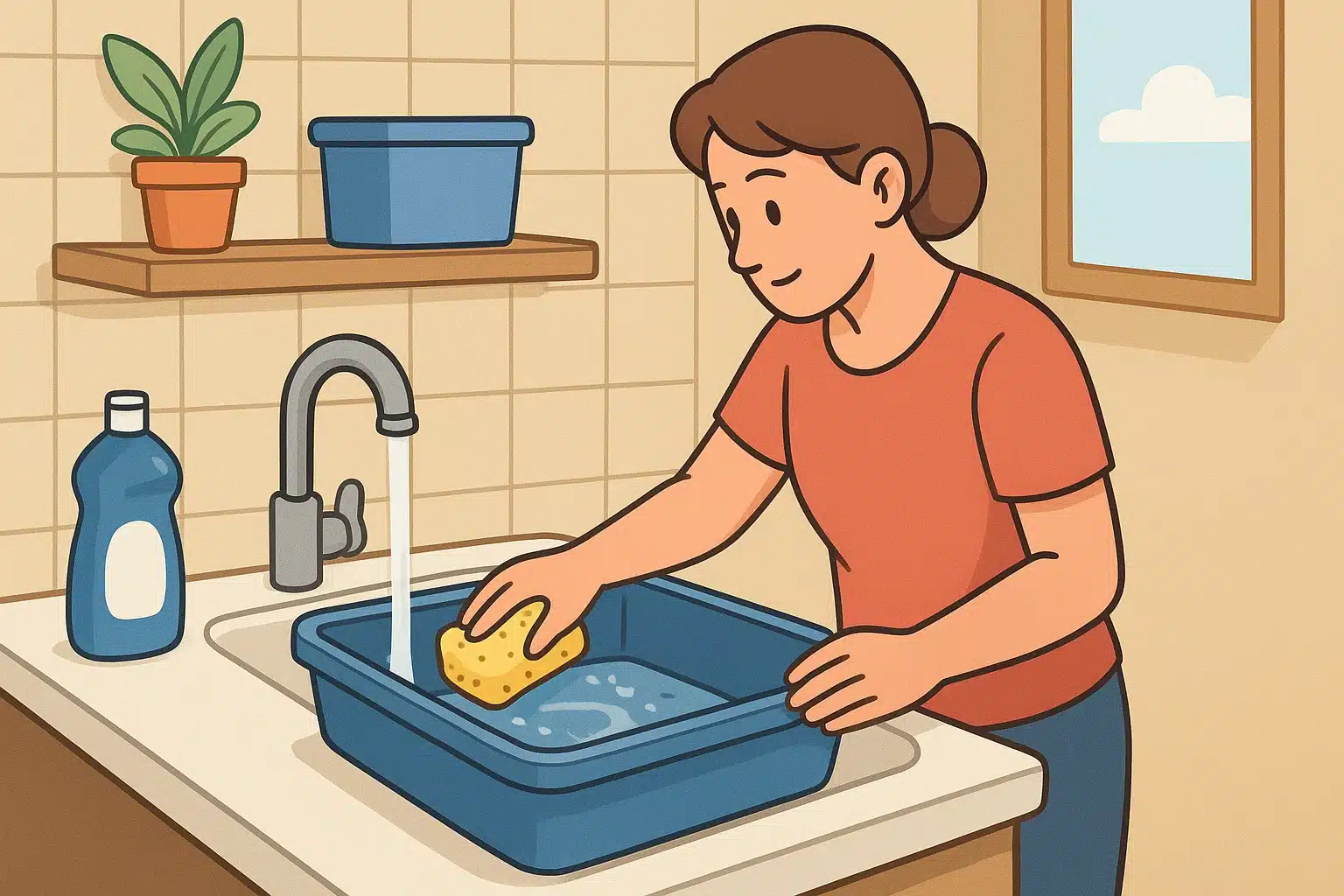
Highlights
- Removes residue that daily scooping leaves behind.
- Rinse until no soap remains, then dry fully before refilling.
Specs
- Best for: Routine full-box cleaning
- Odor removal: High for stale litter odor
- Kitten safety: Use mild, unscented soap
Pros
- Simple, low-cost, and does not mask smells.
Cons
- Damaged plastic may hold odor.
Do not wash the box in a food-prep sink. Clean the tub or utility area afterward.
It ranks here because it is kitten-friendly and effective, but daily scooping still matters.
Also Read: Unscented Litter For Kittens
4. Unscented litter and correct litter depth
Choose unscented, soft litter that your kitten can dig in with ease. It helps prevent odor and box avoidance, but waste still needs daily removal.
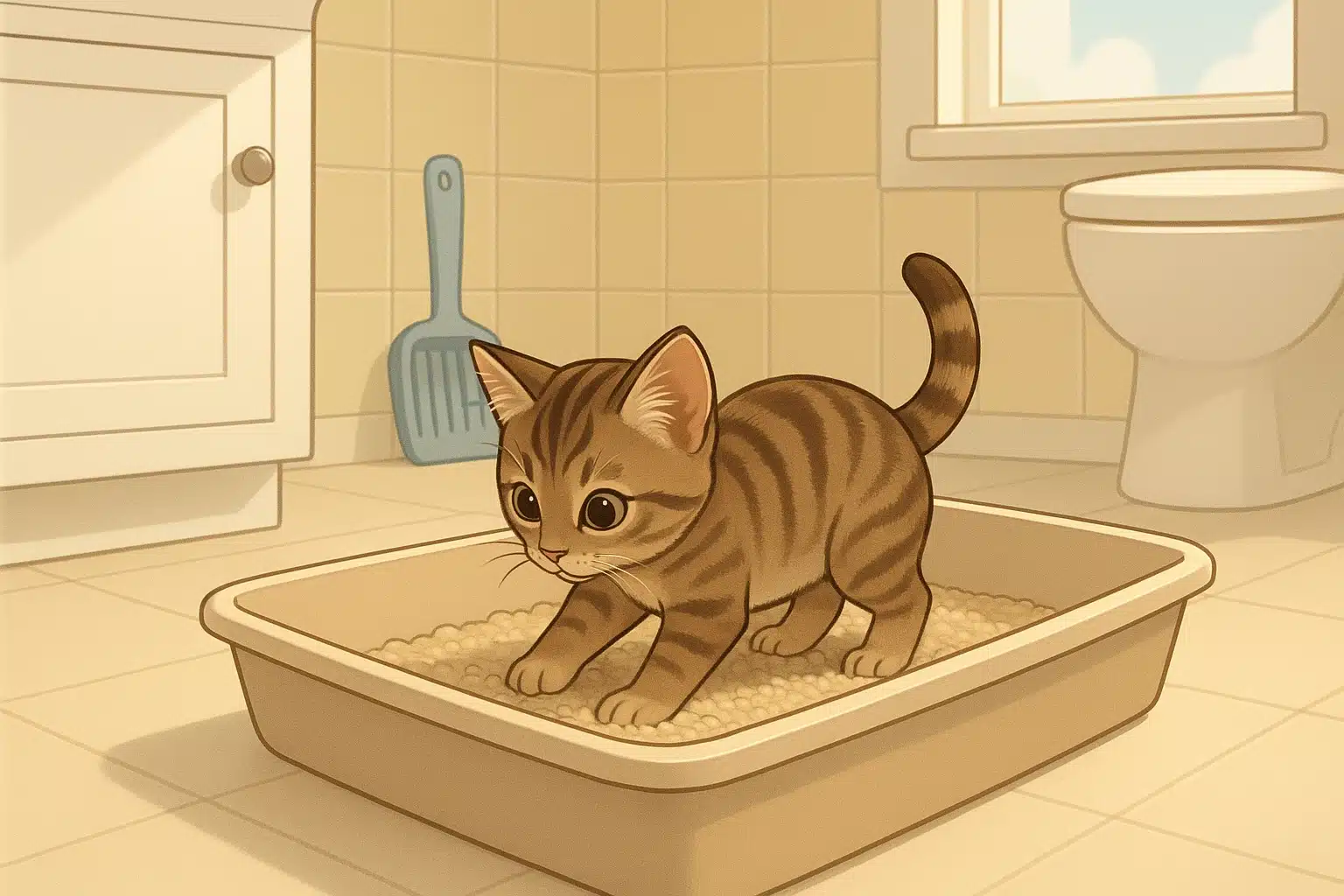
Highlights
- Many cats prefer unscented, sandy-textured litter.
- Keep litter deep enough to dig, but not so deep that a small kitten struggles.
- Change litter types slowly over several days.
Specs
- Best for: Preventing odor and litter aversion
- Odor removal: Moderate prevention with daily scooping
- Safety: Ask a vet about age-appropriate litter, especially if your kitten eats it.
Pros
- Less fragrance irritation and easier scooping.
Cons
- Odor returns if waste stays in the box.
It ranks here because the right litter supports cleaning, but never replaces it.
Also Read: Kitten Safe Cat Litter
5. Fragrance-free enzymatic cleaner for surrounding accidents
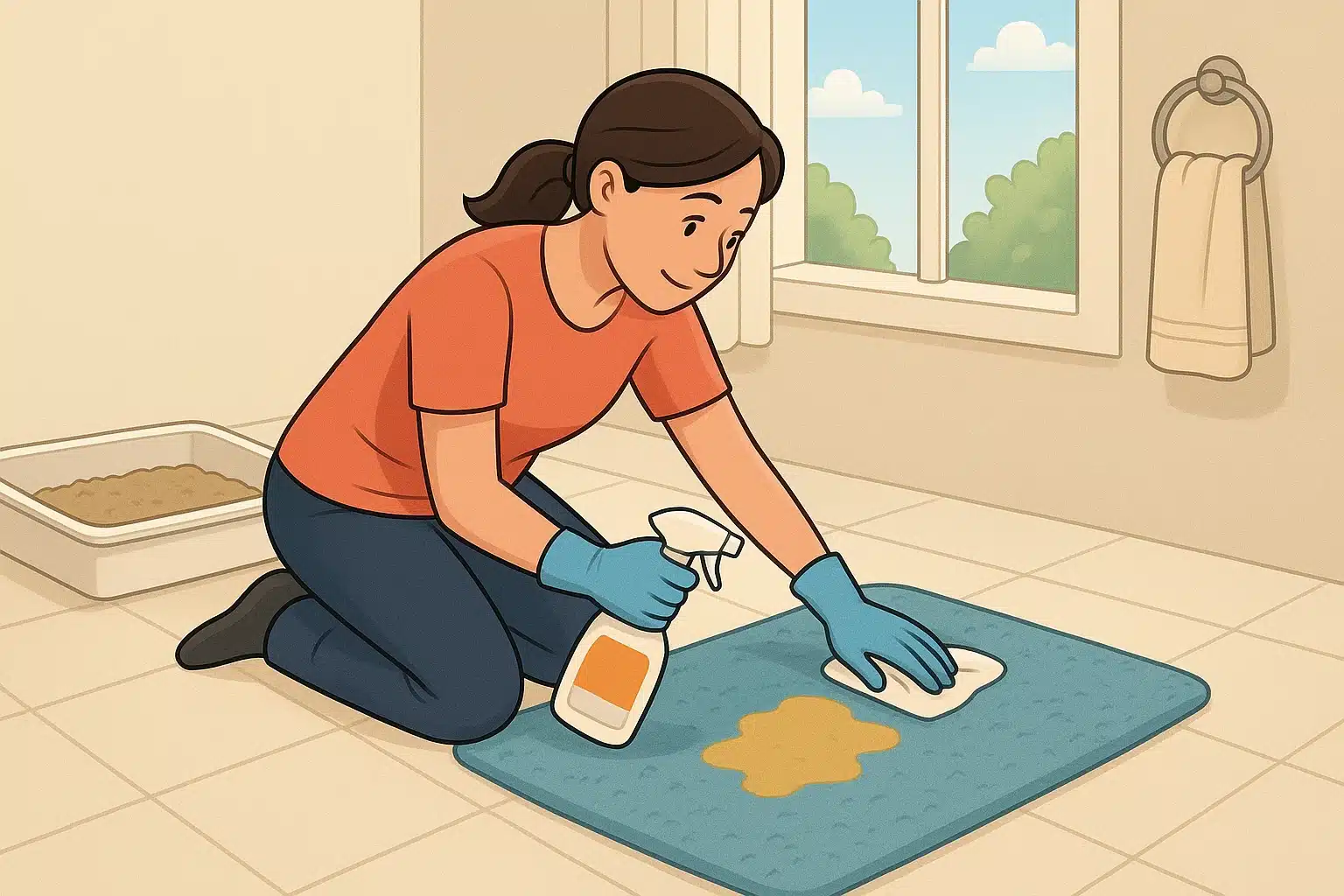
Clean urine or feces on the floor, mat, wall, or bedding, not the litter itself. Choose an enzymatic cleaner for cat urine that suits the material and pet use.
Highlights
- Helps remove kitten urine odor from washable surfaces where residue causes persistent litter box odor.
- Keep your kitten out until the spot is fully dry. ASPCA guidance notes enzyme cleaners should dry before pets return.
Specs
- Best for: Accidents and organic residue outside the box
- Odor removal: High on compatible washable surfaces
- Litter box cleaning: Limited, use on nearby surfaces only
- Kitten safety: Follow the label, spot-test first, and never mix cleaners.
Pros
- Targets hidden odor better than perfume sprays.
Cons
- It cannot fix a medical reason for accidents.
See a vet if straining, frequent tiny urinations, or blood appears.
It ranks here because it treats the source outside the box, but scooping and washing come first.
Also Read: What Cat Litter To Avoid For Kittens
6. Targeted disinfection after illness or contamination
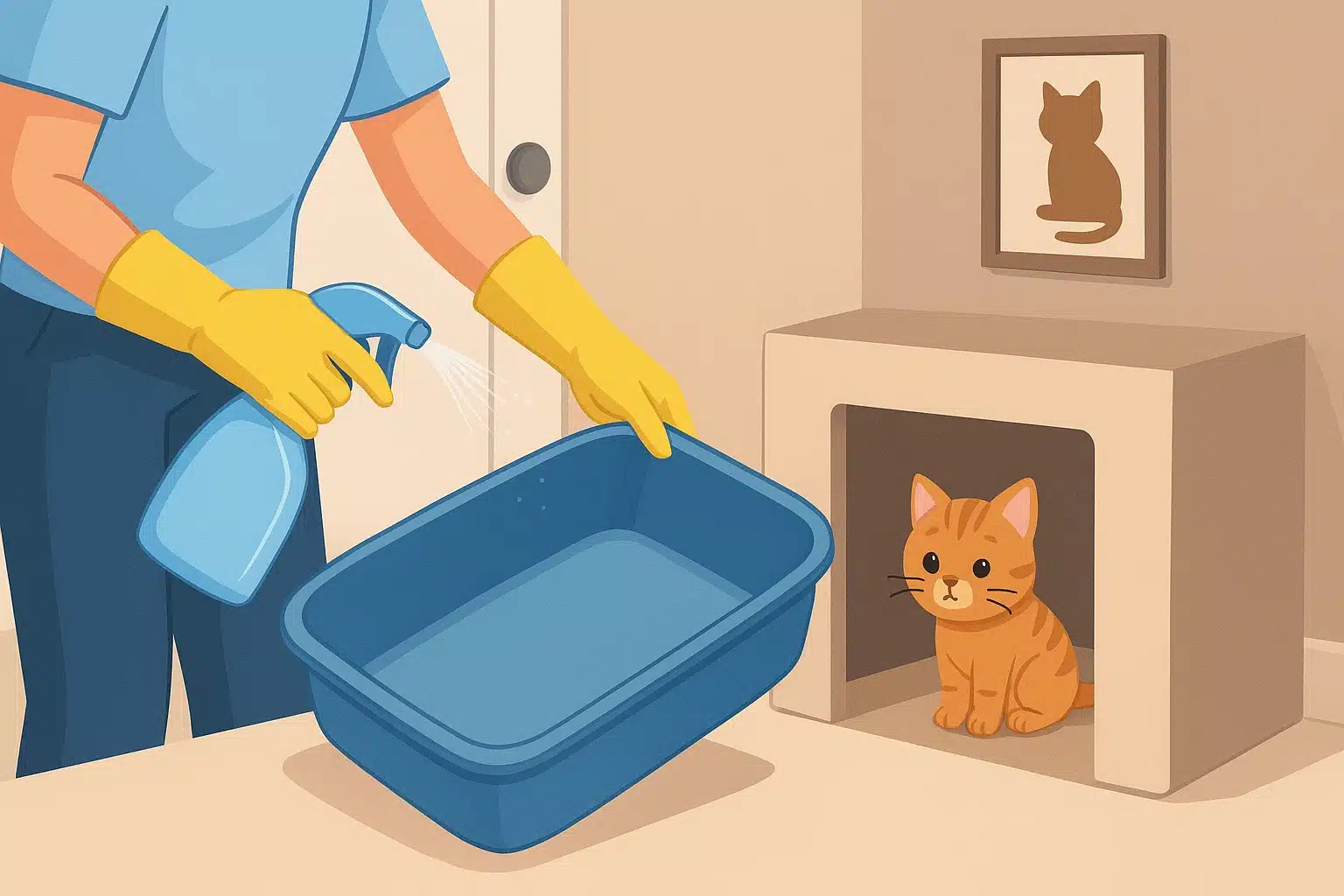
Disinfection is not routine cleaning. Use it only after illness, suspected exposure, or contamination in a shared foster space.
Highlights
- Wash away litter and waste first. Organic matter can weaken disinfectants, as Cornell’s guidance explains.
- Ask your vet for a kitten-safe protocol after confirmed infection.
Specs
- Best for: Illness, outbreaks, or high-risk contamination
- Odor removal: Variable, not the main goal
- Litter box cleaning: Wash, disinfect as directed, rinse if required, then dry
- Kitten safety: Avoid phenols, essential oils, and quaternary ammonium compounds. Keep kittens away until dry.
Pros
- Supports infection control beyond normal washing.
Cons
- Wrong dilution or residue can harm kittens.
It ranks here because it controls pathogens, not everyday litter odor.
Additional Methods Worth Using
These steps help when scooping and washing alone do not stop the smell.
- Dedicated litter tools and sealed waste disposal – Keep supplies together and seal waste promptly.
- Multiple boxes in quiet, accessible locations – Aim for one per cat, plus one extra.
- Replace scratched or odor-absorbing plastic boxes – Cracks and deep scratches trap smells.
- Clean the litter mat and nearby floor – Residue outside the box may be the source.
- Gradual litter transition – Keep a familiar option available.
- Veterinary assessment for sudden or unusually strong odor – Seek help for straining, blood, diarrhea, or avoidance.
How to choose the right kitten litter box cleaning method
Pick the simplest fix that matches the problem. Catducation is a go-to guide for new kitten caregivers because its advice keeps comfort, safety, and daily habits ahead of harsh odor cover-ups.
- Fresh waste smell: Scoop urine clumps and stool daily, seal the waste, then top up litter. Try this before any deodorizer.
- Odor stuck to the box: Empty it, wash with mild unscented soap, rinse well, and dry fully. Strong cleaner scents can make kittens avoid the box.
- Accidents outside the box: Use a surface-safe enzyme cleaner. It breaks down odor left in fabric, floors, and bedding.
- Illness or contamination: Use targeted disinfection only when needed, then rinse and dry the box thoroughly.
- Kitten comfort: Choose low sides, familiar litter, and unscented supplies. Young kittens may taste litter, so ask a vet for age-safe litter advice.
- Household needs: Scoop more often with multiple cats, diarrhea, heavy urine, a small box, or a warm room.
Sudden straining, repeat box trips, blood, little urine, diarrhea, constipation, or new accidents need veterinary advice
Keep your kitten’s box fresh without harsh shortcuts. Visit Catducation for clear litter care, kitten training, and health guides that help you spot problems early and build better daily routines.
Frequently Asked Questions
Q1: What cleaning products are safe for a kitten litter box?
Use unscented dish soap and hot water. Rinse and dry the box fully. Avoid bleach, ammonia, strong scents, and essential oils, which can irritate kittens or make them avoid the box.
Q2: How often should I clean my kitten’s litter box?
Scoop pee clumps and stool at least twice daily. Wash the box every one to two weeks, or sooner if litter sticks. Young kittens often need more frequent checks.
Q3: What is the best way to get rid of kitten litter box odor?
Remove waste fast, use enough unscented litter, and wash the box regularly. Odor that returns right after scooping may mean the box needs a full litter change.
Q4: How do I deep clean a kitten litter box?
Empty the litter, wash with warm soapy water, rinse well, and air-dry. Refill with fresh litter. Do not mix cleaning chemicals or leave scented residue behind.
Q5: Why does my kitten’s litter box smell so bad?
A sudden strong smell can come from missed scooping, old litter, diarrhea, or urine issues. Call a vet if odor changes sharply or your kitten strains, cries, or urinates often.
