
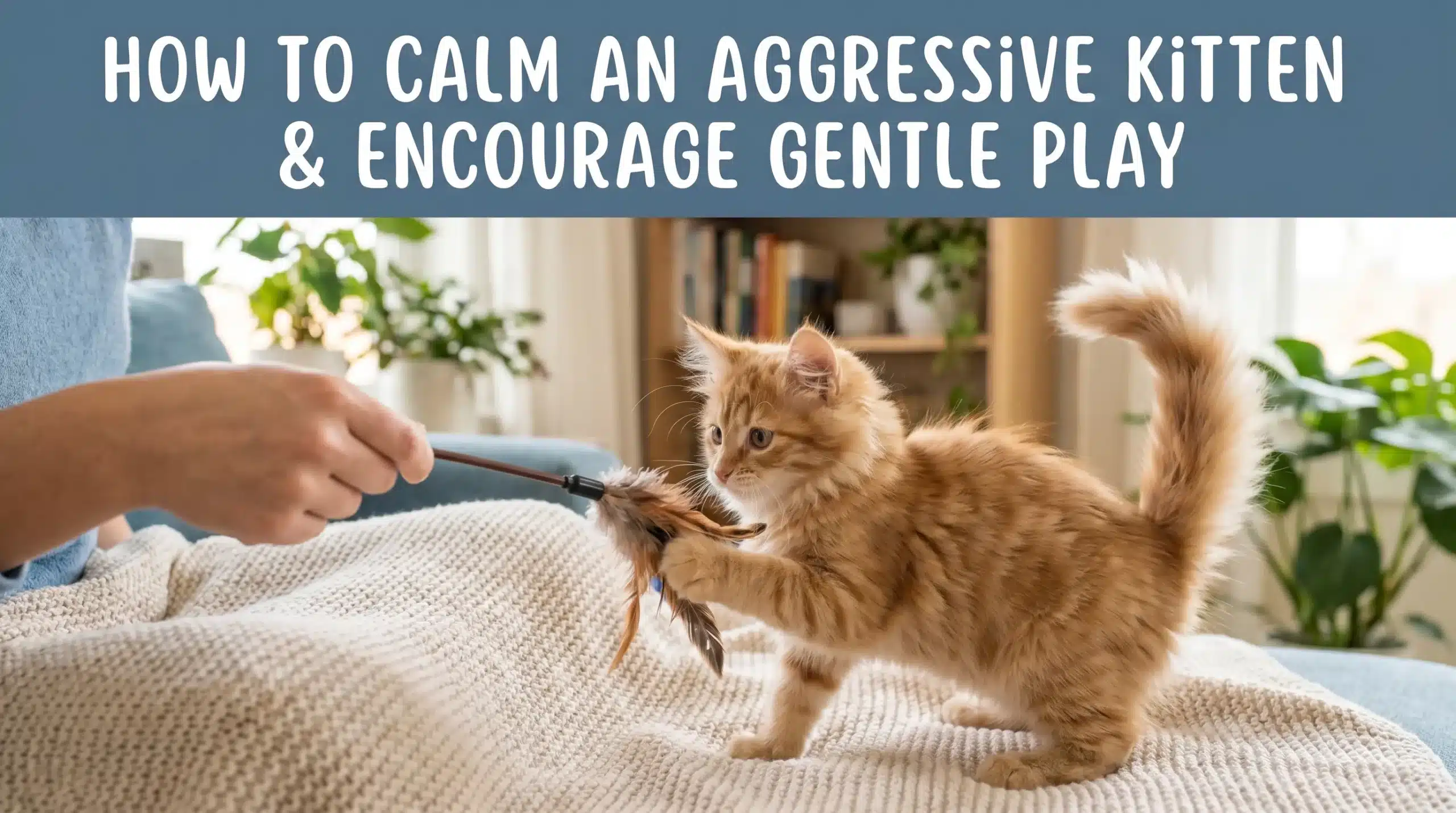
You might feel worried when your kitten acts wild or bites, but you’re not alone. Every kitten shows bursts of energy or aggression sometimes. You can calm your kitten with patience and simple steps. If you want to stop kitten aggression, understanding your kitten’s behavior helps.
Let’s find out why kittens get aggressive.
Why Kittens Get Aggressive
You might wonder why your kitten sometimes turns into a tiny tornado. Understanding the reasons behind kitten aggression helps you respond calmly and guide your kitten toward gentle play. Let’s break down the most common causes and signs you should watch for.
Common Causes of Aggression
Kittens often show play aggression as part of their normal development. They learn how to hunt, pounce, and bite through play. Sometimes, this play aggression can get out of hand, especially if your kitten doesn’t have a sibling or another cat to teach them boundaries. In single-cat households, your kitten may direct all their play aggression toward you.
Here’s a quick look at what triggers aggression in kittens:
|
Cause of Aggression |
Description |
|---|---|
|
Play aggression toward people or other cats |
Normal behavior that can become rough without proper social interaction. |
|
Fear due to lack of early experience |
Limited exposure to people or new things can make your kitten defensive. |
|
Early trauma |
Past scary events can cause your kitten to react aggressively. |
|
Negative correction techniques |
Harsh discipline can make your kitten fearful and more likely to lash out. |
Environmental stress also plays a big role. Changes in your home, like moving or rearranging furniture, can make your kitten anxious and spark aggression. Multi-cat households sometimes see more conflict, but even a single kitten can get stressed if routines change. Feeding routines matter too. If you feed your kitten at random times or make them compete for food, you might see more food-related aggression.
Try to keep meals consistent and give your kitten their own space to eat.
Providing enrichment, like puzzle feeders and climbing spaces, helps your kitten burn off energy and reduces frustration. A bored kitten is more likely to show play aggression.
Signs of Overstimulation
Kittens can get overstimulated during play or petting. When this happens, you might notice:
-
Tail swishing or thumping
-
Dilated pupils
-
Ears pinned back
-
Sudden biting or scratching
-
Hissing or growling
-
Fur standing on end
-
Zoomies (frenetic random activity periods)
If you spot these signs, stop the interaction and give your kitten a break. Move them to a quiet spot or offer a toy to redirect their play aggression. Paying attention to your kitten’s body language helps you prevent bites and scratches before they happen.
By understanding these triggers and signals, you can help your kitten learn gentle play and create a peaceful home for both of you.
How to Stop Kitten Aggression
You’ve learned why your kitten sometimes acts out, but now you want real solutions. Let’s dive into practical steps you can use every day to stop kitten aggression and encourage gentle play. These methods work for all kittens, whether you’re dealing with wild zoomies, kitten biting, or sudden swats.
Immediate Calming Techniques
When your kitten gets too rough, you need quick ways to calm things down. Here’s what you can do right away:
-
Withdraw your attention if your kitten plays too roughly. Stand up, walk away, and close the door behind you. This gives your kitten a chance to settle down.
-
Use toys to distract your kitten when you see signs of aggression. Toss a favorite toy or use a wand toy to shift their focus.
-
If your kitten continues to act aggressively, try a short time-out. Place a door between you and your kitten for a few minutes. This helps them reset and learn that rough play ends the fun.
Redirecting Aggressive Energy
Kittens have tons of energy, and sometimes they don’t know where to put it. Redirecting that energy can help stop kitten aggression before it starts.
-
Offer a toy before your kitten gets wound up. Toss a small mouse or ball to catch their attention.
-
Use wand toys that mimic prey. Move them in quick, unpredictable ways to let your kitten chase, pounce, and “hunt.”
-
Try a kick stick or stuffed toy when you notice kitten biting. These toys give your kitten something safe to bite and kick.
-
Schedule regular play sessions throughout the day. This helps your kitten know when to expect play and reduces surprise attacks.
-
Avoid using your hands or feet as toys. This teaches your kitten that people are not for biting or scratching.
-
If your kitten goes after your feet or shoelaces, distract them with a toy or a flirt pole. This keeps play safe and fun.
-
Give your kitten solo play options like cardboard boxes or tunnels. These keep them entertained when you’re busy.
Kittens learn bite inhibition from their littermates. If your kitten was separated early, you’ll need to reinforce gentle play with toys and clear rules. Consistency is key to stop kitten aggression and prevent kitten biting from becoming a habit.
Gentle Handling and Positive Play
Gentle handling can make a huge difference in your kitten’s behavior. The more positive experiences your kitten has with people, the less likely they are to show aggression.
-
Handle your kitten gently every day, especially during the first 2 to 9 weeks of age. Even 15 minutes a day helps your kitten feel safe and loved.
-
Use positive reinforcement. Reward your kitten with treats, praise, or extra playtime when they play nicely or stop kitten aggression on their own.
-
End play sessions if your kitten starts kitten biting or gets too rough. This teaches them that gentle play keeps the fun going.
-
Recognize the difference between play biting and true aggression. Play biting is usually gentle and part of normal play. Aggressive biting feels harder and may come with hissing or growling.
-
Always use toys instead of your hands during play. This helps your kitten learn what’s okay to bite.
-
Watch for signs of overstimulation, like tail swishing or pinned ears. Stop the interaction before your kitten crosses the line into aggression.
Note: Positive reinforcement builds trust and helps your kitten learn faster. Punishment can make aggression worse and damage your bond.
Here’s a quick look at why you should avoid punishment:
|
Risk Type |
Description |
|---|---|
|
Ineffectiveness |
Punishment does not resolve behavior issues and can lead to confusion and stress in cats. |
|
Damage to Human-Animal Bond |
Physical punishment can cause fear, leading to a breakdown of trust between the cat and owner. |
|
Stress Induction |
Cats do not understand punishment, which can lead to stress and associated health issues. |
|
Development of Cystitis |
Stress can lead to medical issues like stress-induced cystitis, causing pain and discomfort. |
|
Overgrooming |
Stressed cats may overgroom, resulting in hair loss and skin problems. |
|
Destructive Behavior |
Punishment can backfire, leading to new behavioral issues such as inappropriate scratching. |
Using Deterrents Safely
Sometimes you need a little extra help to stop kitten aggression and kitten biting. Safe deterrents can keep your kitten away from places or behaviors you want to avoid.
-
Sticky tape on furniture or counters can discourage your kitten from jumping or scratching where they shouldn’t.
-
Citrus sprays are safe and most kittens dislike the smell. Use them on areas you want your kitten to avoid.
-
Never use harsh sprays or physical punishment. These can scare your kitten and make aggression worse.
-
If your kitten keeps biting or attacking, try a gentle squirt of water as a last resort, but always provide a toy as an alternative.
These techniques can stop kitten aggression, reduce kitten biting, and help your kitten grow into a gentle, happy companion. Consistency, patience, and lots of playtime are your best tools for success.
FAQ
How long does it take for a kitten to stop biting?
Most kittens stop biting as they grow. You usually see big changes by six months if you stay consistent with gentle training.
Can I use my hands to play with my kitten?
You should avoid using your hands. Always use toys. This helps your kitten learn that hands mean love, not play or biting.
What if my kitten’s aggression gets worse?
If your kitten gets more aggressive, talk to your vet or a cat behaviorist. Sometimes health issues or stress need extra help.

In her previous life, Lisa traveled extensively, both for work and leisure. After the pandemic struck, Lisa locked up her luggage and adopted a cat ever since.
Lisa is now an avid cat lover, she devotes most of her free time serving as butler to her adorable feline at home. When she is not with her cat, she can be seen using her phone sourcing for the latest cat supplies online.