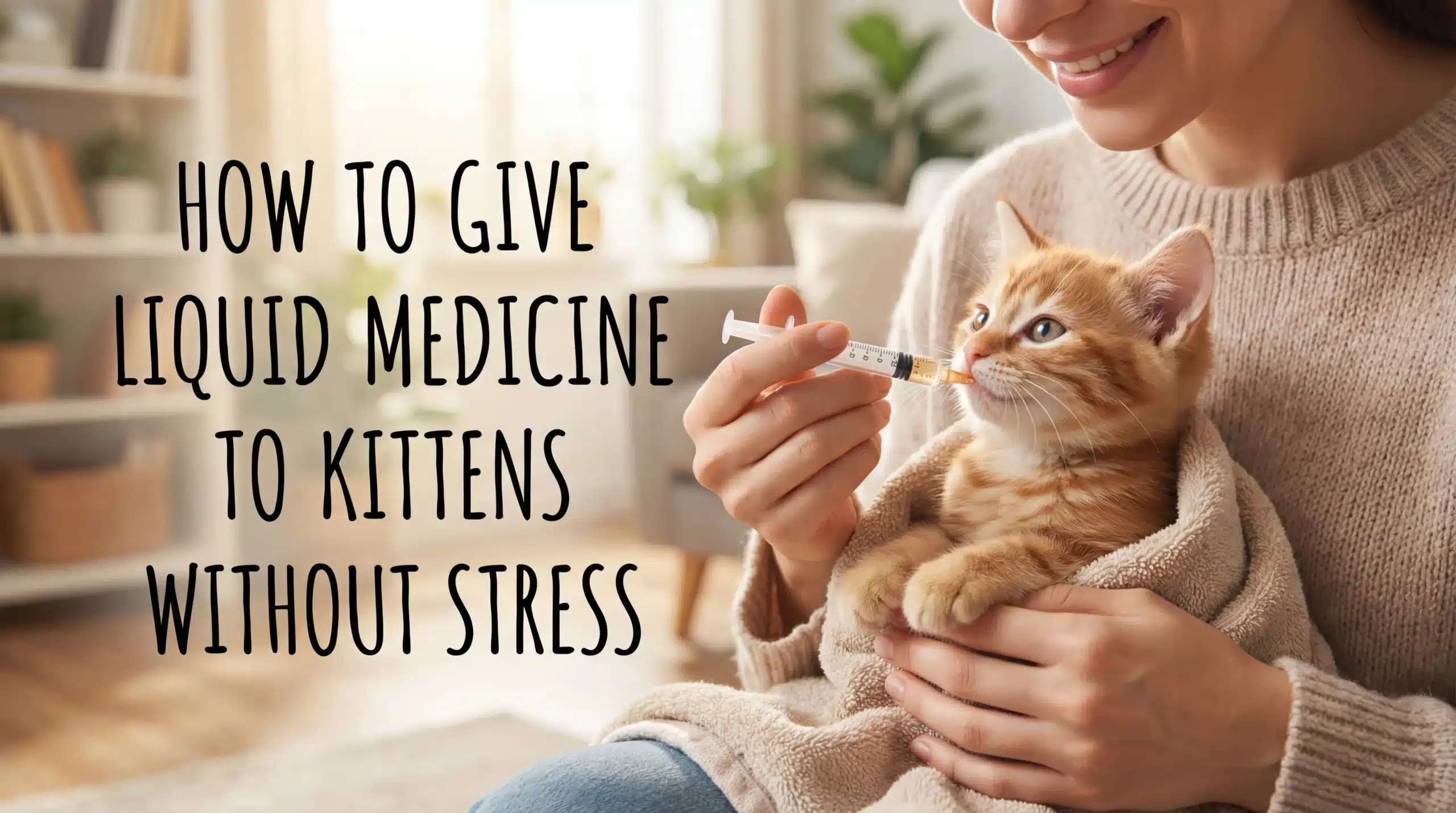
Administering liquid medicine to kittens often feels like a daunting task, especially when you’re unsure how to give kitten liquid medicine effectively. Kittens can squirm, resist, or even become stressed during the process. However, with the right approach, you can make this experience smoother for both you and your furry companion. I always recommend staying calm and prepared before starting. A relaxed environment helps reduce the kitten’s anxiety and ensures better cooperation.
Studies have shown that cats generally prefer the taste of liquid medicine over pills, making it a more favorable option when done correctly. Learning how to give your kitten liquid medicine effectively can transform this challenge into a manageable routine.
What You Need to Prepare Before Giving Liquid Medication
Preparation is the key to ensuring a smooth and stress-free experience when giving liquid medicine to your kitten. Having the right supplies and creating a calm environment can make all the difference.
Let’s break this process into two essential parts: gathering the necessary tools and setting up a peaceful space.
Essential Supplies for Administering Medicine
Before administering liquid medication, I always recommend assembling everything you need within arm’s reach. This minimizes interruptions and keeps the process efficient. Here’s what you’ll need:
-
Medicine prescribed by your veterinarian
Always double-check the label for dosage instructions and expiration dates. If you have any doubts, consult your vet before proceeding. Properly stored medicine ensures its effectiveness and safety for your kitten. -
Syringe or dropper for accurate dosing
Using the correct-sized syringe or dropper is crucial. It helps you measure the exact dosage and prevents over- or under-dosing. Most liquid medications come with a syringe, but if not, you can purchase one from a pet supply store. When you use a syringe, aim for the pouch between the kitten’s teeth and cheek to avoid choking. -
A towel or blanket to wrap the kitten securely
Wrapping your kitten in a towel creates a “kitten burrito” that keeps them snug and prevents sudden movements. This technique not only protects you from scratches but also helps your kitten feel secure. -
Treats or toys for positive reinforcement
Rewarding your kitten after administering the medicine encourages cooperation in future sessions. Choose their favorite treat or toy to associate the experience with something positive.
Setting Up a Calm Environment
A calm environment can significantly reduce your kitten’s stress levels during medication time. Here’s how to create the ideal setting:
-
Choose a quiet, distraction-free area
Select a room where you and your kitten won’t be interrupted. Turn off loud appliances, and ensure other pets or family members are not nearby. A peaceful space helps your kitten stay relaxed. -
Ensure the kitten is calm and relaxed
Approach your kitten gently and speak in a soothing tone. If your kitten seems anxious, spend a few minutes petting them or using calming techniques like a feline pheromone spray. A relaxed kitten is less likely to resist. -
Prepare the medicine and wash your hands beforehand
Draw the prescribed amount of liquid medicine into the syringe or dropper before bringing your kitten into the room. Clean hands prevent contamination and ensure your kitten’s safety. Double-check the dosage to avoid errors.
Taking these steps ensures you’re fully prepared to administer liquid medication effectively. With the right supplies and a calm environment, you’ll make the process easier for both you and your kitten.
Step-by-Step Guide on How to Give Kitten Liquid Medicine
When learning how to give kitten liquid medicine, following a clear and structured process can make all the difference. This step-by-step guide will help you administer liquid medicine effectively while keeping your kitten calm and safe.
Positioning Your Kitten for Medication
Wrap the kitten in a towel to prevent movement
Wrapping your kitten snugly in a towel creates a secure environment and prevents sudden movements. This technique, often called the “kitten burrito,” keeps their legs tucked in and reduces the risk of scratches. Lay the towel flat, place your kitten in the center, and gently wrap the sides around their body.
Ensure their head remains exposed for easy access.
Hold the kitten gently but securely
Once wrapped, hold your kitten close to your body. Use one hand to support their back and the other to steady their head. A firm yet gentle grip ensures they feel safe without causing discomfort. Maintaining eye contact and speaking softly can further reassure them during this process.
Administering the Liquid Medication
Draw the correct dosage into the syringe
Use a syringe to measure the exact amount of liquid medicine prescribed by your veterinarian. Double-check the dosage to avoid errors. If the syringe doesn’t come with the medication, you can purchase one from a pet supply store.
Always ensure the syringe is clean and free of any residue before use.
Insert the syringe into the side of the kitten’s mouth
Position the syringe at the corner of your kitten’s mouth, aiming for the pouch between their teeth and cheek. Avoid pointing it directly down their throat, as this could cause choking or aspiration. The syringe method works best when done slowly and carefully.
Slowly release the medicine, allowing the kitten to swallow
Press the syringe plunger gently to release the liquid medicine in small amounts. Pause briefly between each release to give your kitten time to swallow. Rushing this step can overwhelm them, so patience is key. If your kitten resists, take a moment to calm them before continuing.
Post-Medication Care
Offer a treat or toy as a reward
Positive reinforcement helps your kitten associate the experience with something pleasant. After administering the medicine, offer their favorite treat or a small toy. This reward encourages cooperation during future sessions and builds trust between you and your kitten.
Monitor the kitten for any adverse reactions
After giving liquid medication, observe your kitten closely for any unusual behavior or side effects. Signs like vomiting, excessive drooling, or lethargy may indicate an adverse reaction. If you notice anything concerning, contact your veterinarian immediately for guidance.
Taking these steps to giving a cat liquid medicine ensures a smoother process for both you and your kitten. With practice, you’ll gain confidence in how to give a cat liquid medicine effectively, making it less stressful over time.
Alternative Methods for Giving Liquid Medication
When kittens resist direct administration, alternative methods can simplify the process. These approaches work well for kittens who are particularly fussy or stressed. Always ensure the method aligns with your veterinarian’s recommendations to maintain the effectiveness of the liquid medicine.
Mixing Medicine with Food
This method, often referred to as the wet food method, can make giving liquid medicine less stressful for both you and your kitten. It works best for kittens who enjoy their meals and are not picky eaters.
Confirm with your vet if the medicine can be mixed with wet food
Before attempting this method, consult your veterinarian. Some liquid medications for cats lose their effectiveness when mixed with food. Your vet will confirm if this approach is safe and suitable for the prescribed medicine.
Use a small portion of food to ensure the full dose is consumed
Instead of mixing the medicine into a full meal, use a small portion of wet food. This ensures your kitten consumes the entire dose without leaving any behind. I recommend using a strong-smelling wet food that can mask the taste of the medicine. Monitor your kitten closely to confirm they eat the entire portion.
|
Step |
Action |
Reason |
|---|---|---|
|
1. Consult your vet |
Ask if the medicine can mix with food |
Ensures safety and effectiveness |
|
2. Prepare a small portion |
Use a small amount of wet food |
Guarantees the kitten consumes the full dose |
|
3. Observe consumption |
Watch your kitten eat the food |
Confirms the medicine is fully ingested |
Using Treats or Pill Pockets
For kittens who love treats, this method can turn medication time into a positive experience. Specialized treats designed for administering medicine make this process easier.
Hide the medicine in a treat designed for administering medication
Pill pockets or similar treats are excellent tools for this method. These treats have a hollow center where you can place the liquid medicine. After filling the pocket, seal it by pinching the edges together. The treat’s flavor masks the medicine’s taste, making it more appealing to your kitten.
Ensure the kitten eats the entire treat
Once you’ve prepared the treat, offer it to your kitten as you would any other snack. Stay nearby to ensure they eat the entire treat. If your kitten tends to nibble or leave parts of the treat uneaten, consider using a smaller portion or trying a different flavor. Both of these methods provide effective alternatives to directly giving a cat liquid medicine. They reduce stress for both you and your kitten while ensuring the medicine is administered properly.
Always prioritize your kitten’s comfort and consult your vet if you encounter challenges.
Tips for Handling Uncooperative Kittens When Giving Liquid Medicine
Administering liquid medicine to an uncooperative kitten can feel overwhelming. Some kittens may squirm, hide, or even become frantic when they sense what’s coming. However, with the right techniques and a calm approach, you can make the process less stressful for both you and your furry friend.
Below are practical tips for giving liquid medication to kittens who resist.
Calming Techniques for Stressed Kittens
Use a soothing voice and gentle petting
Kittens respond well to calm and reassuring behavior. Speak softly and use a soothing tone to help them feel safe. Gentle petting, especially around their head or back, can relax them. I’ve found that spending a few minutes bonding with the kitten before administering medicine helps reduce their anxiety.
A relaxed kitten is far more likely to cooperate, making the process smoother.
Try feline pheromone sprays or diffusers
Feline pheromone products mimic natural calming signals that cats produce. These sprays or diffusers can create a comforting environment for your kitten. Apply a pheromone spray to the area where you plan to give the medicine or use a diffuser in the room. These tools work well for kittens who are particularly anxious or stressed. Many veterinarians recommend them as part of a stress-reduction strategy.
Getting Assistance
Ask a friend or family member to help hold the kitten
Sometimes, having an extra pair of hands makes all the difference. Enlist a trusted friend or family member to help hold the kitten securely while you administer the medicine. One person can focus on keeping the kitten calm and still, while the other handles the syringe. This teamwork approach ensures the kitten feels supported and reduces the risk of accidental spills or scratches.
Consult your vet for additional advice if needed
If your kitten remains uncooperative despite your best efforts, consult your veterinarian. They can provide tailored advice based on your kitten’s temperament and the type of medication prescribed. In some cases, vets may suggest alternative methods or even demonstrate how to safely give your cat liquid medicine during a visit. Their expertise ensures the process is as effective and stress-free as possible.
Taking these steps can transform a challenging task into a manageable routine. Remember, patience and preparation are key when handling uncooperative kittens. With time, your kitten may become more accustomed to the process, making it easier for both of you.
Giving liquid medicine to kittens doesn’t have to be a stressful experience. With proper preparation and a calm approach, you can make the process manageable and even routine. I’ve found that understanding how to give kitten liquid medicine effectively comes down to patience and consistency. Always prioritize your kitten’s comfort by creating a soothing environment and using positive reinforcement.
If challenges arise, consult your veterinarian for guidance. Over time, both you and your kitten will grow more comfortable with the process, ensuring their health and well-being remain a top priority.

In her previous life, Lisa traveled extensively, both for work and leisure. After the pandemic struck, Lisa locked up her luggage and adopted a cat ever since.
Lisa is now an avid cat lover, she devotes most of her free time serving as butler to her adorable feline at home. When she is not with her cat, she can be seen using her phone sourcing for the latest cat supplies online.