
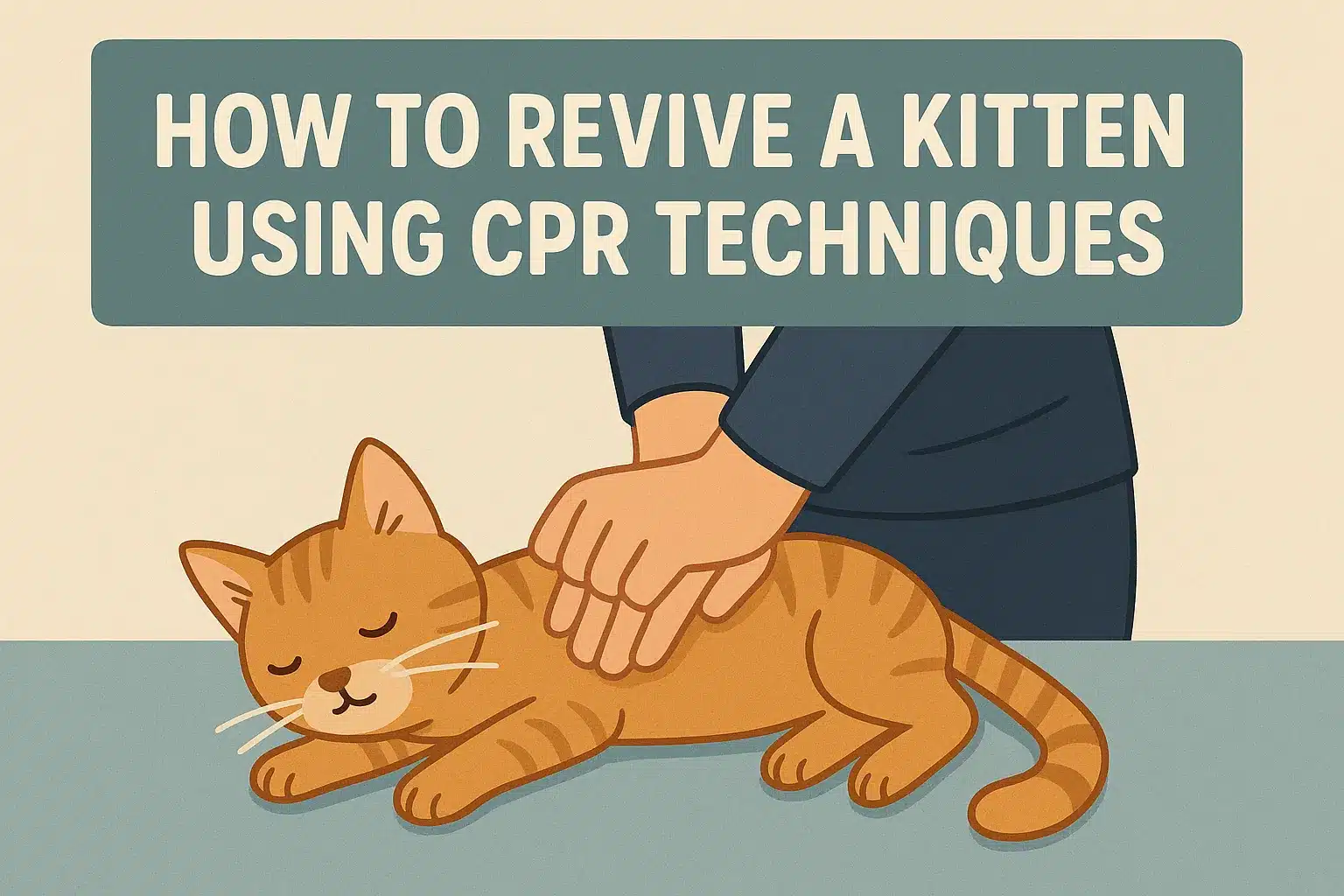
CPR can help save a kitten’s life in emergencies, such as when it stops breathing or its heart stops. Knowing how to give a kitten CPR has life-saving benefits, and you need to act quickly and follow the right steps. This knowledge can give the kitten a better chance of survival. Taking classes like MyCPR NOW or pet first aid can teach you how to do CPR effectively.
Always call a vet right after giving CPR.
How to Identify When a Cat Needs CPR
Signs of Breathing or Heartbeat Issues
You need to act quickly when a kitten shows signs of breathing or heartbeat problems. Look for these key indicators:
-
The kitten’s chest does not rise and fall, which means it is not breathing.
-
You cannot feel a pulse when you place your fingers on the femoral artery or near the heart.
-
The kitten appears limp and lifeless, showing no signs of movement.
If you notice any of these signs, the kitten may need immediate CPR. Always stay calm and focus on assessing the situation carefully.
Checking for Unresponsiveness
To check for responsiveness, gently tap the kitten or call its name. If it does not react, this is a serious warning sign. You can also try lightly pinching its paw or ear to see if it flinches. If there is no response, the kitten is unresponsive and may require CPR. This step is crucial before you perform CPR on a cat, as it confirms the need for intervention.
Preparing the Kitten for CPR
Before starting CPR, ensure the kitten is in a safe and stable position. Place it on a flat surface, such as a table or the floor. Lay the kitten on its right side, as this gives you better access to its heart. Check for any obstructions in its airway, like mucus or debris, and remove them gently. Use a soft cloth or your fingers to clear the mouth and throat.
Proper preparation ensures you can perform CPR on a cat effectively and safely.
Step-by-Step Guide on How to Give Kitten CPR
Step 1: Check for Breathing and a Heartbeat
Begin by assessing the kitten’s condition. Look closely at its chest to see if it rises and falls. Place your fingers gently on the kitten’s chest or near its femoral artery to check for a heartbeat. If you cannot detect breathing or a pulse, the kitten may need immediate CPR. This step is critical to confirm whether you should proceed with CPR for cats.
Step 2: Clear the Airway
To clear the airway, gently tilt the kitten’s head back. Open its mouth and check for obstructions like mucus or debris. Use your fingers or a soft cloth to remove anything blocking the airway. Ensure the tongue is positioned at the front of the mouth. This preparation allows you to give rescue breaths effectively.
Step 3: Perform Chest Compressions
Place the kitten on its right side on a flat surface. Use two fingers to compress the chest gently, aiming for a depth of about one-third to one-half of the chest’s width. Compress the chest at a rate of 100–120 compressions per minute. For very small kittens, use even lighter pressure to avoid injury.
Step 4: Administer Rescue Breaths
Tilt the kitten’s head back to straighten the airway. Cover its nose and mouth with your mouth, creating a seal. Breathe gently into the kitten’s nose for one second, ensuring the chest rises visibly. If the chest does not rise, reposition the head and check the airway again. Alternate between two rescue breaths and 30 chest compressions.
Step 5: Continue CPR Until Help Arrives
Keep performing CPR until the kitten shows signs of recovery, such as breathing or a heartbeat. If no improvement occurs, continue until professional help arrives. Remember, CPR is a temporary measure and does not replace veterinary care. Always seek immediate assistance after you give a cat CPR.
Post-CPR Care for a Kitten
Get Help from a Vet Quickly
After doing CPR, take the kitten to a vet fast. If the kitten wakes up or breathes alone, stop CPR. Focus on getting it to the vet safely. Tell the vet how long you did CPR and what you noticed. If a vet arrives while you’re doing CPR, let them take over. If CPR has been done for 20–30 minutes with no change, it might be time to stop.
Watch the Kitten Closely
When the kitten starts breathing again, watch it carefully. Check if its breathing and heartbeat stay steady. Call the vet if anything seems wrong. Even if the kitten looks fine, a vet check-up is very important. The vet might suggest keeping the kitten under care for a few days. Follow all the vet’s advice to help the kitten get better.
Mistakes to Avoid After CPR
Don’t make mistakes that could harm the kitten’s recovery. Cats have faster heartbeats and higher body temperatures than humans. Check blood flow by pressing gently on the kitten’s gums. Always take the kitten to the vet right after CPR. Don’t ignore small injuries or skip cleaning wounds, as this can cause problems. Acting fast and giving good care can save the kitten’s life.
Saving a kitten with CPR needs a few key steps. First, check the area to make sure it’s safe for you and the kitten. Then, place the kitten on a flat surface and position it properly. After that, press gently on its chest 100–120 times per minute. Lastly, give rescue breaths and keep going until help comes. Quick action can save a kitten’s life. Learning pet CPR and first aid gives you the skills to help in emergencies. Regular vet visits and keeping your home safe can prevent problems.
You can make a big difference. Stay calm, follow the steps, and get the kitten to a vet fast.
FAQ
What should you do if the kitten doesn’t respond to CPR?
If the kitten doesn’t respond, continue CPR for up to 20–30 minutes. Stop only if a vet advises or if there’s no improvement.
Can you perform CPR on a newborn kitten?
Yes, but use extra care. Apply very gentle pressure during chest compressions and give smaller rescue breaths to avoid causing harm.
How can you prepare for emergencies involving kittens?
Learn pet first aid and CPR techniques. Keep a pet first aid kit at home. Regularly check your kitten’s health with a vet.

In her previous life, Lisa traveled extensively, both for work and leisure. After the pandemic struck, Lisa locked up her luggage and adopted a cat ever since.
Lisa is now an avid cat lover, she devotes most of her free time serving as butler to her adorable feline at home. When she is not with her cat, she can be seen using her phone sourcing for the latest cat supplies online.