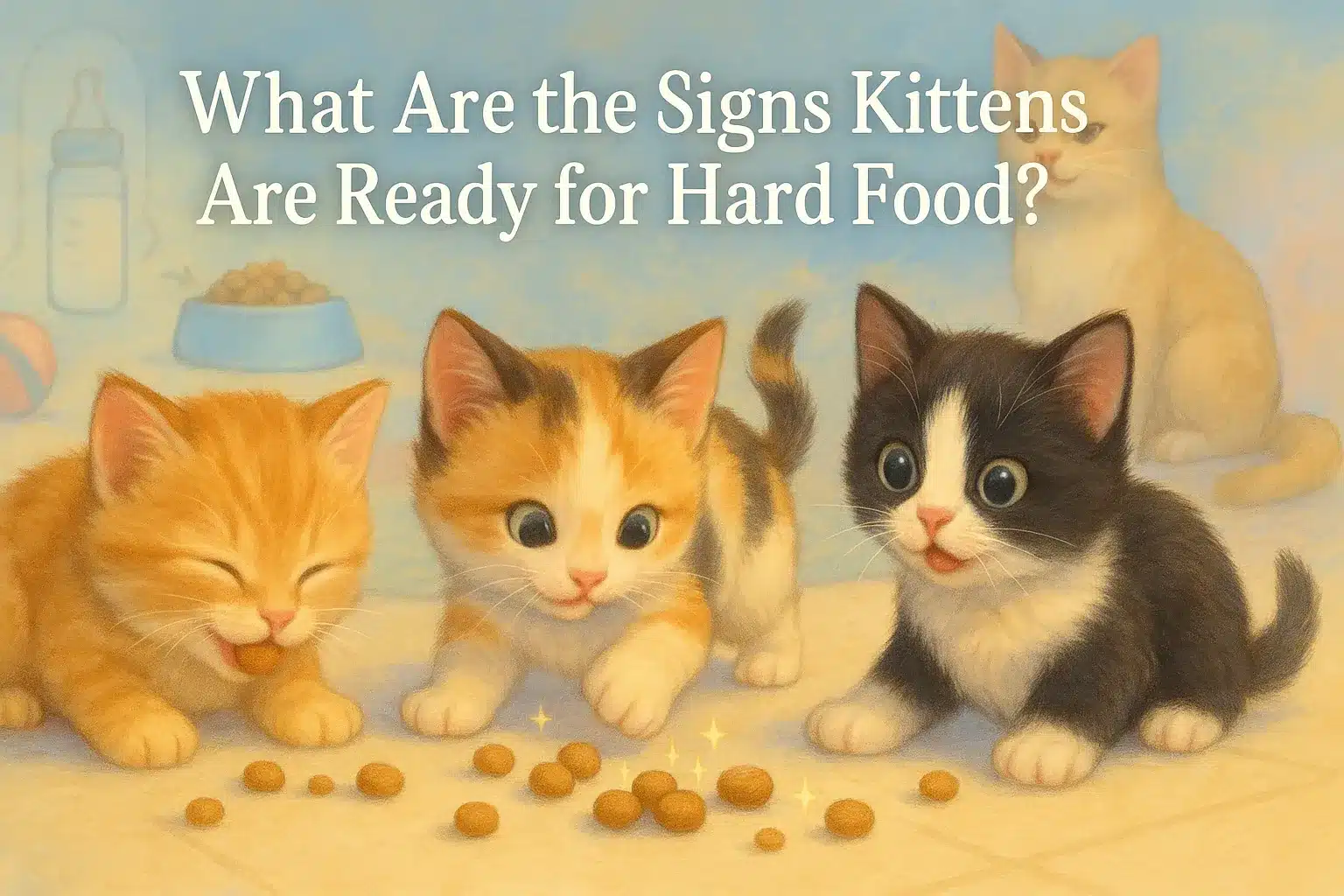
Kittens grow rapidly, and their eating habits evolve just as quickly. Around four weeks of age, you may notice their tiny teeth starting to come in, signaling they’re getting ready for more than just milk. You might also observe them nibbling or chewing on soft objects, showing their interest in different textures. When they start sniffing or pawing at your food or their mother’s bowl, it’s a clear sign they’re ready to try solid food.
These behaviors often lead to the question: can kitten eat hard food, and when is the right time to introduce it? Recognizing these signs helps ensure a smooth transition to dry food.
Key Signs Kittens Are Ready for Hard Food
Teeth Development
Kittens begin teething at around three to four weeks of age. During this time, their baby teeth, also called deciduous teeth, start to emerge. These tiny teeth are sharp and help kittens explore new textures. As their teeth grow, they gain the ability to chew, which is essential for eating solid food. You might notice your kitten biting or gnawing on toys, furniture, or even your fingers. This behavior is a natural part of their development and signals that they are preparing for more than just milk.
Once their teeth are fully in, they can handle softened dry food or kitten gruel with ease.
Chewing Behavior
Chewing is another clear sign that your kitten is ready for hard food. When kittens start chewing on objects, it shows they are experimenting with their new teeth. This behavior often begins as they transition from nursing to eating solid food. You might see them trying to chew on their mother’s food or even attempting to nibble on your snacks.
Such curiosity is a good indicator that they are ready to explore different food textures. Providing them with softened dry food or a mix of wet and dry food can encourage this natural chewing instinct while ensuring they get the nutrition they need.
Interest in Solid Food
Kittens are naturally curious, and their interest in solid food often starts early. Around four to six weeks of age, you may notice them sniffing or pawing at their mother’s food bowl. This curiosity is a sign that they are ready to try something new. Introducing a kitten to solid food during this stage can be an exciting process. Start with a mash of high-quality kitten food mixed with kitten milk replacement formula. This combination makes it easier for them to adjust to the taste and texture of solid food.
Gradually, you can transition them to dry food as they become more comfortable with chewing.
Kittens start eating solid food at their own pace, so patience is key. Some may dive right in, while others take a little longer to adapt. Keep an eye on their progress and adjust their diet as needed. Remember, the goal is to make the transition smooth and enjoyable for your furry friend.
When Can Kittens Eat Dry Food?
Knowing when kittens can start eating dry food is essential for their growth and health. Their readiness depends on both age and developmental milestones. Let’s explore these factors to help you determine the right time to introduce dry food to your kitten.
General Age Range for Starting Dry Food
Kittens typically begin transitioning to solid food around three to four weeks of age. At this stage, their baby teeth start to emerge, making it easier for them to chew. However, they may not be ready for fully dry food just yet. Instead, you can offer softened kibble or a mix of wet and dry food to help them adjust.
Most kittens can start eating dry food independently between six and eight weeks old. By this time, their teeth are sturdy enough to handle the crunch of hard kibble. If you’re wondering, when can kittens start eating dry food without assistance? The answer often lies in their ability to chew comfortably and show interest in eating on their own. By seven to eight weeks, many kittens can fully transition to dry food, though some may still prefer a mix of wet and dry options.
Developmental Milestones That Indicate Readiness
Age isn’t the only factor to consider. Observing your kitten’s behavior and physical development can provide valuable clues about their readiness for dry food. Here are some key milestones to watch for:
-
Teeth Growth: Kittens with a full set of baby teeth can chew dry food more effectively. If you notice them biting or gnawing on toys, it’s a sign they’re ready to try harder textures.
-
Chewing Ability: Pay attention to how your kitten handles food. If they can chew softened kibble or wet food without difficulty, they’re likely ready to tackle dry food.
-
Interest in Food: Curiosity plays a big role. When kittens start sniffing or pawing at their mother’s food or your plate, they’re showing interest in solid food. This curiosity often signals that they’re ready to explore new textures and flavors.
-
Independence: Kittens that eat without assistance and show confidence during mealtime are usually prepared for the transition to dry food.
Every kitten develops at their own pace, so patience is key. If you’re unsure, start with small amounts of softened dry food and observe how your kitten responds. Gradually increase the amount of dry food as they become more comfortable.
How to Transition My Kitten to Dry Food
Transitioning your kitten to dry food is an important step in their growth journey. It requires patience, observation, and a gradual approach to ensure they adapt comfortably. Let’s break down the process into manageable steps to help you introduce dry food to kittens effectively.
Gradual Introduction of Dry Food
Start by offering softened dry food to make the transition easier for your kitten. Mix a small amount of dry kibble with warm water or kitten milk replacement formula. This softens the texture, making it easier for their tiny teeth to handle. Gradually reduce the liquid over time as they get used to chewing. Offer this mixture alongside their usual wet or solid food. This gives them the chance to explore the new texture without feeling overwhelmed.
Keep the portions small at first. Kittens have small stomachs and may need time to adjust to the change. Consistency is key. Serve the softened dry food at the same time each day to establish a routine. Monitor how much they eat and adjust the mixture as needed. If they seem hesitant, don’t rush. Every kitten adapts at their own pace.
Encouraging Kittens to Eat Dry Food
Some kittens may need a little encouragement to try dry food. You can make it more appealing by mixing it with a small amount of their favorite wet food. The familiar smell and taste can entice them to take their first bite. Place the food in a shallow dish to make it easy for them to access. Avoid deep bowls, as they can be intimidating for small kittens. Sit nearby during mealtime to create a sense of comfort and security. Your presence can reassure them as they explore this new experience.
If your kitten shows interest in your food, use this curiosity to your advantage. Offer a piece of softened dry food from your hand. This interaction can build trust and make the transition feel less daunting.
Celebrate small victories.
If they nibble on the food, praise them gently. Positive reinforcement can encourage them to keep trying. Remember, patience and persistence go a long way when transitioning to dry foods.
Monitoring and Adjusting the Transition Process
Keep a close eye on your kitten’s eating habits during this period. Observe how they handle the food. If they struggle to chew or seem disinterested, continue offering softened dry food for a bit longer. Their readiness depends on their individual development. Track their overall health and energy levels. A healthy kitten should remain active and playful. If you notice any changes, such as digestive issues or a lack of appetite, consult your veterinarian. They can provide guidance on how to transition kittens to new food safely.
Gradually increase the amount of dry food in their diet. Over time, they’ll become more comfortable with the texture and flavor. Most kittens can be fully transitioned onto dry food by seven to eight weeks of age. However, some may prefer a mix of wet and dry food for a little longer. Adjust the feeding schedule as needed. Kittens thrive on consistency, but flexibility is important during this phase. Pay attention to their preferences and progress to ensure a smooth transition.
Transitioning to dry foods offers many benefits of dry food for kittens, including convenience and nutritional value. With the right approach, you can help your kitten embrace this new stage of their development confidently.
Common Challenges When You Feed a Kitten Hard Food
Transitioning your kitten to hard food can come with its own set of challenges. Understanding these common issues will help you address them effectively and ensure your kitten’s mealtime remains stress-free.
Refusal to Eat Dry Food
Some kittens may turn their noses up at dry food, especially if they’re used to the softer texture of wet food or milk. This refusal can feel frustrating, but it’s a common hurdle. Kittens often need time to adjust to the new texture and flavor of dry food. To make the transition smoother, try mixing a small amount of wet food with the dry kibble. The familiar taste and smell can encourage them to take their first bite.
You can also soften the dry food by adding warm water or kitten milk replacement formula. This makes it easier for their tiny teeth to handle while still introducing them to the idea of eating dry food. Gradually reduce the liquid over time until they’re comfortable eating the kibble on its own. If your kitten remains hesitant, patience is key. Sit with them during mealtime to provide reassurance. Offer small portions and celebrate even the smallest progress.
Remember, every kitten adapts at their own pace.
Digestive Issues During the Transition
Switching to hard food can sometimes upset a kitten’s delicate digestive system. You might notice symptoms like loose stools or mild discomfort. These issues often occur when the transition happens too quickly or when the food doesn’t suit their sensitive stomachs. To avoid this, introduce dry food gradually. Start by mixing a small amount of dry kibble with their usual wet food or softened mixture. Over several days, increase the proportion of dry food while reducing the wet food. This slow transition gives their digestive system time to adjust.
Choose a high-quality kitten-specific dry food that meets their nutritional needs. Look for options with easily digestible ingredients and no artificial additives. If digestive issues persist, consult your veterinarian. They can recommend a suitable diet or identify any underlying health concerns.
Picky Eating Habits
Kittens can develop picky eating habits, making mealtime a challenge. They might prefer certain textures, flavors, or even specific brands. This behavior can stem from their natural curiosity or past experiences with food.
To address picky eating, experiment with different types of dry food. Some kittens respond well to kibble with added flavors or softer textures. For example, one cat owner shared how their kittens loved a specific wet food formula made with real milk and essential vitamins. While this was a wet food, it highlights how finding the right formula can make all the difference.
Offer variety but avoid frequent changes, as this can confuse your kitten. Stick to a consistent feeding schedule and create a calm environment during mealtime. Avoid feeding them table scraps or treats too often, as this can make them less interested in their regular food. If your kitten continues to refuse dry food, consider consulting a veterinarian. They can rule out any medical issues and provide guidance on how to encourage healthy eating habits.
Helping your kitten overcome these challenges requires patience and persistence. With the right approach, you can make the transition to hard food a positive experience for both you and your furry friend.
Tips for Choosing the Right Hard Food to Feed a Kitten
Choosing the right hard food for your kitten is crucial for their growth and overall health. With so many options available, it can feel overwhelming to decide what’s best. Let’s break it down into simple steps to help you make an informed choice.
Importance of Kitten-Specific Food
Kittens have unique nutritional needs that differ from adult cats. Their growing bodies require higher levels of protein, fat, and essential nutrients to support their rapid development. Kitten-specific food is specially formulated to meet these needs, ensuring your furry friend gets the right balance of energy and nutrition. For example, Stella & Chewy’s Kitten Food is designed with optimal levels of protein, fat, vitamins, and minerals. It also includes DHA, which supports healthy brain and vision development.
Feeding your kitten food tailored to their age helps them grow into strong, healthy adult cats.
You might wonder, do kittens need wet or dry food? While both have their benefits, dry food offers convenience and helps maintain dental health. However, it’s essential to choose a high-quality dry food specifically made for kittens. This ensures they receive the nutrients they need during this critical stage of life.
Key Ingredients to Look For
When selecting the best dry food for kittens, pay close attention to the ingredient list. High-quality ingredients make all the difference in your kitten’s health and well-being. Here are some key components to look for:
-
Protein: Kittens need protein for muscle growth and energy. Look for foods with real meat, like chicken or fish, as the primary ingredient.
-
Fat: Healthy fats provide energy and support brain development. Omega-3 fatty acids, such as DHA and EPA, are particularly important.
-
Vitamins and Minerals: Nutrients like calcium and phosphorus promote strong bones and teeth. Vitamins E and C boost the immune system.
-
Probiotics: These support digestive health and ensure your kitten absorbs nutrients effectively.
Products like Purina Pro Plan Kitten Food include essential nutrients such as DHA, calcium, and antioxidants. These ingredients work together to support your kitten’s growth and immune system. Always check the label to ensure the food meets the nutritional standards set by the Association of American Feed Control Officials (AAFCO).
Consulting a Veterinarian for Recommendations
If you’re unsure about which food to choose, consulting your veterinarian is always a good idea. They can assess your kitten’s specific needs based on their age, breed, and health condition. A vet can also recommend the best dry food for kittens that aligns with your pet’s dietary requirements.
Veterinarians often suggest high-quality options like KatKin’s Kitten Food, which provides everything your kitten needs for healthy growth. They can also guide you on whether your kitten would benefit from a mix of wet food and dry food. This approach can help answer the common question, do kittens need wet or dry food, by balancing the benefits of both.
Remember, every kitten is unique. What works for one may not suit another. Regular check-ups with your vet ensure your kitten stays on the right track nutritionally.
Choosing the right hard food doesn’t have to be complicated. Focus on kitten-specific formulas, prioritize high-quality ingredients, and seek professional advice when needed. With the right food, you’ll set your kitten up for a lifetime of health and happiness.
Kittens show they’re ready for hard food through signs like teeth development and curiosity about solid food. Starting the transition around 4–6 weeks of age ensures they adapt comfortably. Gradually introducing dry food while monitoring their progress helps avoid common challenges like digestive issues or picky eating. Choosing high-quality, kitten-specific food supports their rapid growth and nutritional needs. With patience and a step-by-step approach, you can make this milestone a rewarding experience for both you and your kitten.
Remember, every kitten develops at their own pace, so stay attentive to their unique needs.

In her previous life, Lisa traveled extensively, both for work and leisure. After the pandemic struck, Lisa locked up her luggage and adopted a cat ever since.
Lisa is now an avid cat lover, she devotes most of her free time serving as butler to her adorable feline at home. When she is not with her cat, she can be seen using her phone sourcing for the latest cat supplies online.