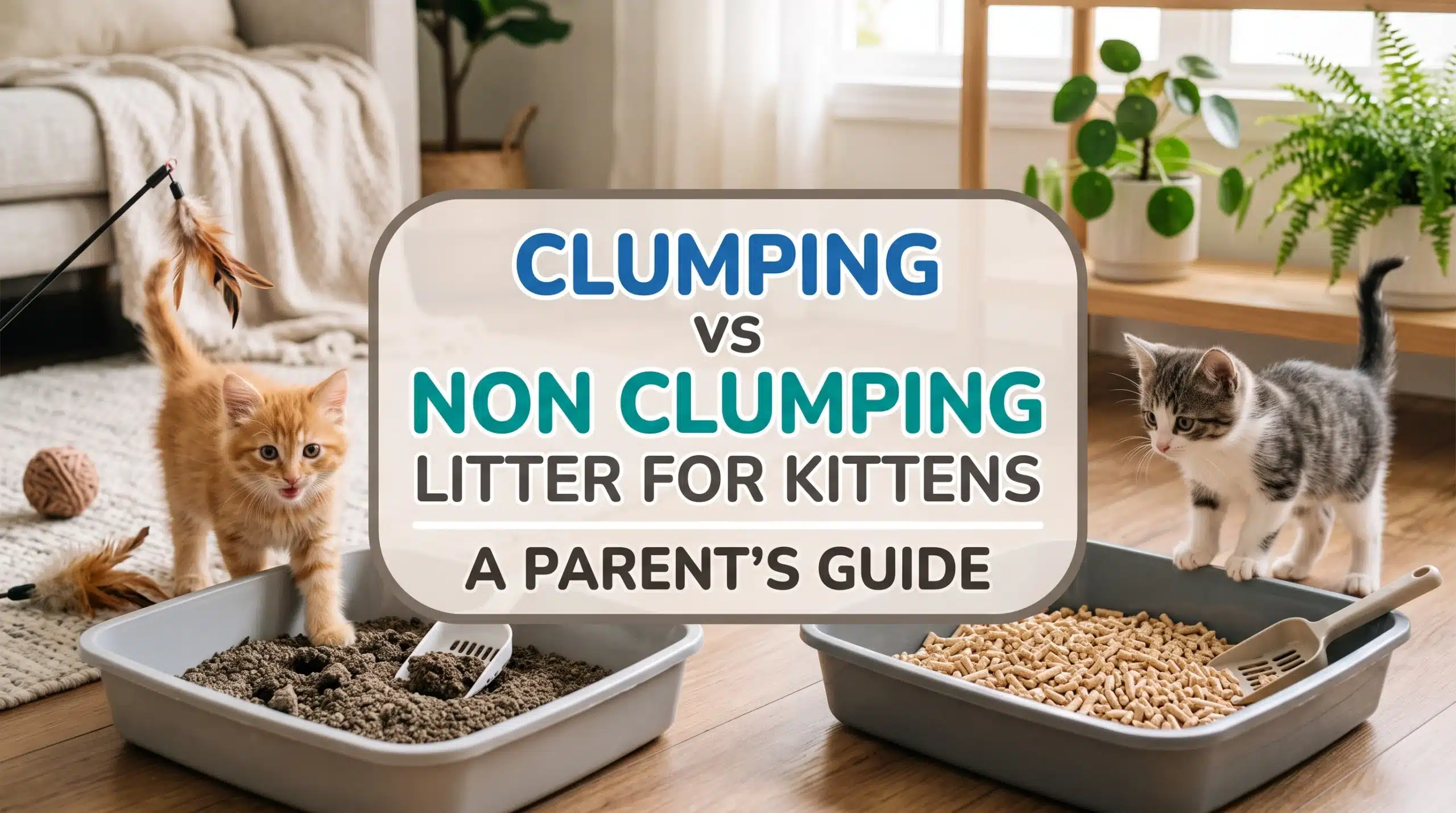
When you bring home a new kitten, you want to keep them safe and healthy. You might wonder about the best litter choice. Most veterinarians recommend non-clumping litter for kittens under four months old. Young kittens like to taste everything, and clumping litter can cause serious problems if swallowed. If a kitten eats clumping litter, it may lead to digestive upset or even life-threatening blockages. Non-clumping litter helps avoid these risks during your kitten’s early months. You want a clean home, but you also want to avoid health scares. Choosing non-clumping litter gives you peace of mind while your kitten grows and learns.
As you think about clumping vs non clumping litter for kittens, remember that safety comes first. Let’s look at the differences to help you make the best choice.
Key Takeaways
-
Choose non-clumping litter for kittens under four months old to prevent serious health risks, like intestinal blockages from accidental ingestion.
-
Maintain a clean environment by scooping solid waste daily and replacing non-clumping litter weekly to keep your kitten comfortable and healthy.
-
Consider your kitten’s comfort by selecting litter with a soft texture and minimal dust, ensuring a pleasant experience while they learn to use the litter box.
Clumping vs Non Clumping Litter for Kittens
Choosing between clumping vs non clumping litter for kittens can feel overwhelming, especially when you want the best for your new furry friend. You might have heard different opinions from other pet parents or seen a variety of products at the store. Each type of litter has its own set of benefits and drawbacks, and understanding these differences helps you make a confident decision. When you look at your playful kitten, you want to know you’re giving them a safe environment. You also want to keep your home fresh and easy to maintain.
This section will walk you through the key points you need to know about clumping vs non clumping litter for kittens, so you can choose what works best for both you and your kitten.
Which Is Safer for Young Kittens?
When it comes to safety, most experts agree that non-clumping litter is the better choice for kittens under four months old. Young kittens are naturally curious and often explore their world by tasting things, including their litter. If a kitten eats clumping litter, it can expand inside their digestive system and cause dangerous blockages. This risk is much lower with non-clumping litter, which does not form hard clumps when wet.
Tip: Always watch your kitten during their first few weeks with a new litter. If you notice them eating the litter, switch to a safer, non-clumping option right away.
Here’s what you need to know about the safety of each type:
-
Non-clumping litter is often advised for very young kittens to minimize the risk of intestinal blockage.
-
Clumping litter is generally safe for healthy adult cats, but not for kittens.
-
Young kittens may ingest clumping litter, leading to potential digestive issues or serious blockages.
You want to avoid any health scares, so sticking with non-clumping litter during those early months is the safest bet. As your kitten grows and stops trying to eat everything, you can consider switching to clumping litter if you prefer.
The table below highlights the main safety recommendations and risks:
|
Litter Type |
Recommended For |
Risks Associated |
|---|---|---|
|
Clumping Litter |
Adult cats with no history of eating litter |
Potential risk of intestinal blockage if ingested by kittens |
|
Non-Clumping Litter |
Kittens under 4 months old |
Lower risk of digestive upset or blockage from ingestion |
Key Differences in Use
When you compare clumping vs non clumping litter for kittens, you’ll notice some important differences in how you use and maintain each type. These differences can affect your daily routine and your kitten’s comfort.
Cleaning and Maintenance
Keeping the litter box clean is important for both your kitten’s health and your home’s freshness. Clumping litter forms solid clumps when wet, making it easy to scoop out waste every day. This means you can remove soiled spots quickly and only need to do a full box change about once a month. Non-clumping litter, on the other hand, absorbs moisture but doesn’t form clumps. You’ll need to scoop out solid waste daily and replace urine-soaked litter more often—usually once a week or more.
|
Litter Type |
|
|---|---|
|
Clumping |
Scoop at least once a day; replace and deep-clean monthly. |
|
Non-Clumping |
Scoop feces daily; replace urine-soaked litter at least once a week. |
Veterinarians also recommend more frequent full-box changes for non-clumping litter, since it can’t trap moisture as effectively. Clumping litter allows for easier daily scooping, which can help keep odors down and make cleaning less of a chore.
Texture and Comfort
Kittens have sensitive paws, so the texture of the litter matters. Non-clumping litter often comes in larger, softer granules or pellets, which can feel gentler under tiny feet. Clumping litter is usually finer and may create more dust, which can irritate your kitten’s nose and lungs. Non-clumping litter is often dust-free and free from harsh chemicals, reducing the risk of respiratory issues, paw inflammation, and urinary tract infections.
Health Risks
The biggest health concern with clumping vs non clumping litter for kittens is the risk of digestive problems. Clumping litter can cause blockages if swallowed, while non-clumping litter is much less likely to cause harm. Non-clumping litter is also less likely to trigger allergies or breathing problems, making it a healthier choice for young kittens.
Cost Differences
You might also wonder about the cost of each type. Pine pellets, a common non-clumping option, cost about $0.20 per pound, making them three to four times cheaper than premium clumping clay litter, which averages $0.65 per pound. Over six months, this can add up to significant savings, especially if you’re changing the litter frequently.
Summary Table: Main Differences
|
Feature |
Clumping Litter |
Non-Clumping Litter |
|---|---|---|
|
Safety for Kittens |
Not recommended for kittens under 4 months |
Safest for young kittens |
|
Cleaning |
Easy daily scooping, monthly full change |
Daily scooping, weekly full change |
|
Texture |
Fine, may be dusty |
Larger, softer, usually dust-free |
|
Health Risks |
Risk of blockage if ingested |
Lower risk, fewer allergens |
|
Cost |
More expensive |
More affordable |
When you weigh the pros and cons of clumping vs non clumping litter for kittens, you’ll see that non-clumping litter offers the safest and healthiest start for your kitten. As your kitten grows and stops eating litter, you can revisit your options and choose what fits your lifestyle best.
What Is Clumping Cat Litter?
You might wonder what makes clumping cat litter so popular among cat owners. After learning about the safety differences for kittens, it helps to understand how clumping cat litter works and what goes into it. This knowledge lets you make smarter choices as your kitten grows.
How Clumping Works
Clumping cat litter uses a special mechanism to lock in moisture and odors. When your cat urinates, the litter absorbs the liquid and forms solid clumps. Sodium bentonite, a type of clay, plays a big role here. It expands when wet and pulls moisture in fast. The clay’s layered structure lets it soak up urine quickly, while sodium ions create electrical connections between particles. These interactions help the litter stick together, making it easy for you to scoop out waste. The process also helps control odors, since the sodium ions interact with ammonium from urine.
Tip: Clumping cat litter makes daily cleaning easier. You can remove only the soiled parts, keeping the rest of the box fresh.
Common Materials Used
You’ll find several materials in clumping cat litter. Most clumping clay litter uses sodium bentonite clay, which forms firm clumps and absorbs moisture well. Some brands use plant-based materials like corn or wheat for a more natural option. However, clumping cat litter often creates dust, which can irritate sensitive kittens and people. Kittens may try to eat the litter, and swallowing clumping clay litter can cause digestive upset or blockages.
-
Sodium bentonite clay (main ingredient in clumping clay litter)
-
Corn or wheat (plant-based alternatives)
-
Dust particles (may cause irritation)
If you’re litter training a kitten, avoid clumping cat litter until they’re older and less likely to eat it.
What Is Non-Clumping Cat Litter?
You might see a lot of options when you shop for litter, but non-clumping cat litter stands out for kittens. This type of litter gives you a simple, safe way to keep your kitten’s box clean. You don’t have to worry about dangerous clumps forming if your kitten decides to taste the litter. Non-clumping cat litter works differently from clumping types, and understanding how it functions helps you make the best choice for your furry friend.
How Non-Clumping Works
Non-clumping cat litter absorbs moisture without forming hard clumps. When your kitten urinates, the liquid spreads through the litter and gets soaked up by the granules or pellets. You’ll notice that the urine doesn’t stay in one spot. Instead, it moves through the box, which means you need to change the litter more often to keep things fresh. Here’s what happens in the box:
-
Non-clumping cat litter absorbs moisture but doesn’t create solid clumps.
-
Urine spreads throughout the litter, so you need to replace it frequently.
-
You scoop out solid waste daily, but you’ll swap out the whole box more often.
If you want to avoid blockages and keep your kitten safe, non-clumping cat litter is the way to go during those early months.
Typical Ingredients
You’ll find several types of non-clumping cat litter on the market. Most use natural materials that are gentle on your kitten’s paws and easy for you to handle. Common ingredients include:
-
Recycled paper pellets
-
Pine wood pellets
-
Clay granules (without sodium bentonite)
-
Wheat or corn (sometimes used for eco-friendly options)
These materials absorb moisture well and don’t stick together. You get a dust-free experience, which helps your kitten breathe easy. Non-clumping cat litter keeps things simple and safe, making it a favorite for new kitten parents.
Clumping Cat Litter Pros & Cons
Benefits for Cat Owners
If you’re looking for convenience, clumping cat litter stands out. You can scoop out waste easily without dumping the whole box. This gives you more time to play with your kitten and less time cleaning. Many cat owners love the ease of cleaning and the way clumping cat litter keeps odors under control. When you scoop out clumps, you remove the source of smells right away.
The rest of the litter stays fresh, so you don’t need to change it as often.
Here’s a quick look at the top benefits from consumer surveys:
|
Benefit |
Description |
|---|---|
|
Easy daily scooping |
Allows for removal of waste without emptying the entire box. |
|
Better odor control |
Quick removal of clumps helps minimize unpleasant smells. |
|
Longer-lasting litter |
Only soiled portions are removed, keeping the rest fresh longer. |
You’ll notice that scooping clumping litter makes your routine simpler. You can stretch the time between full box changes, which saves money and effort.
Tip: Clumping cat litter is a favorite for busy pet parents who want a tidy home and less hassle.
Risks for Kittens
While clumping cat litter offers many perks for adults, it poses real risks for kittens. Young kittens often explore by tasting their surroundings. If they ingest clumping cat litter, it can expand in their stomach and cause blockages. This can lead to constipation or even more serious health issues. Some kittens may experience mild dehydration or kidney problems over time if they eat the litter.
-
Ingestion can cause gastrointestinal upset or blockages.
-
Dust from clumping cat litter may irritate sensitive lungs, especially in kittens with respiratory issues.
-
Kittens are at risk while grooming, as they might swallow litter particles.
You should wait until your kitten matures before switching to clumping cat litter. The risks decrease as your cat grows, but young kittens need extra protection.
Non-Clumping Cat Litter Pros & Cons
Advantages for Kittens
You want your kitten to feel safe and comfortable as they explore their new world. Non-clumping cat litter gives you peace of mind during these early months. Most veterinarians recommend non-clumping litter for young kittens because it helps prevent serious health issues. When you use non-clumping litter, you lower the risk of your kitten swallowing something that could cause a blockage. This type of litter usually comes in larger pellets or softer granules, which feel gentle on tiny paws. You also get less dust, so your kitten breathes easier and avoids sneezing fits.
Here’s why non-clumping litter works well for kittens:
-
Reduces the chance of intestinal blockage if your kitten tries to eat the litter
-
Offers a softer, paw-friendly texture
-
Produces less dust, which means fewer respiratory problems
-
Often made from natural materials like recycled paper or pine
Tip: If you notice your kitten digging or playing in the litter box, non-clumping options keep them safer while they learn good habits.
Drawbacks for Parents
Non-clumping litter keeps your kitten safe, but you might notice a few downsides as a pet parent. Cleaning the litter box can take more effort. Since this litter absorbs moisture without forming clumps, urine can spread through the box. You’ll need to change the entire box more often to keep things fresh and odor-free. Scooping out only the solid waste won’t be enough.
|
Drawback |
What It Means for You |
|---|---|
|
More frequent changes |
You’ll replace all the litter weekly |
|
Less odor control |
Smells can build up faster |
|
Can be messier |
Pellets may track outside the box |
You might spend a bit more time and money on litter changes, but your kitten’s safety comes first. As your kitten grows, you can always revisit your options.
Expert Advice on Litter for Kittens
You want the best for your kitten, so it helps to know what the experts say. Many new pet parents feel unsure about when to use clumping cat litter or how to keep their kitten safe. You might hear different opinions at the pet store or online, but veterinarians offer clear guidance. Their advice can help you avoid common mistakes and keep your kitten healthy as they grow.
Veterinary Recommendations
Veterinarians agree that non-clumping litter is the safest choice for kittens under four months old. Young kittens often explore by tasting their litter. If they eat clumping cat litter, it can expand in their stomach and cause dangerous blockages. Most vets suggest using natural, dust-free non-clumping litter made from paper or pine. This type of litter feels gentle on tiny paws and reduces the risk of breathing problems.
If you ever notice your kitten eating litter, switch to a safer option right away and talk to your vet.
When to Switch Litter Types
As your kitten grows, you may wonder when it’s safe to try clumping cat litter. Most experts say you can switch once your kitten is at least four months old and no longer tries to eat the litter. Watch your kitten’s behavior closely. If they stop tasting the litter and use the box properly, you can slowly introduce clumping cat litter. Start by mixing a small amount with their usual litter and increase it over a week.
This helps your kitten adjust without stress.
|
Age of Kitten |
Recommended Litter Type |
|---|---|
|
0-4 months |
Non-clumping, dust-free |
|
4+ months |
Gradual switch to clumping |
If you have any doubts, your veterinarian can help you decide what’s best for your kitten.
Practical Tips for Parents
Choosing the Right Litter
You want your kitten to feel comfortable and safe in their litter box. Look for non-clumping litter made from natural materials like recycled paper or pine pellets. These options are gentle on tiny paws and help reduce dust. Avoid scented litters because kittens have sensitive noses. If your kitten seems unhappy, try a different texture. Some kittens prefer a soft, sandy feel. You can test a small amount before filling the whole box.
Tip: Start with a small bag of litter. Watch how your kitten reacts before buying in bulk.
Safe Litter Box Habits
Setting up the litter box the right way helps your kitten learn good habits. Veterinary associations recommend a few simple steps:
-
Place the litter box on a hard, level surface.
-
Use an open-top design for easy access.
-
Provide a second, non-automated box during the first 7–14 days.
-
Disable automatic cycles for 3–5 days so your kitten can explore without fear.
Keep the box clean by scooping daily. Change all the litter weekly. Make sure your kitten can reach the box easily.
Signs of Litter Issues
Watch your kitten’s behavior in the litter box. You might notice signs that something is wrong:
-
Scratching around the litter but not burying waste.
-
Avoiding the box or choosing another spot.
-
Disliking scented litter or certain textures.
If you see these signs, try a different litter or talk to your vet. Your kitten’s comfort and health come first.
You give your kitten the safest start by choosing non-clumping litter. Veterinarians agree this helps prevent intestinal blockages. Keep an eye on your kitten’s litter box habits. Most cat owners check daily, but many struggle with regular scooping. If you notice anything unusual, reach out to your vet.
Your kitten’s health and comfort always come first.
FAQ
Can I use scented litter for my kitten?
It is best to skip scented litter for kittens. Their noses are very sensitive, and strong fragrances can make the litter box feel unpleasant. Some kittens may sneeze, avoid the box, or show signs of irritation. Choose an unscented, low dust litter made from gentle materials instead.
How often should I change non-clumping litter?
Scoop solid waste every day. Since non clumping litter does not lock urine into firm clumps, moisture can spread through the box. Replace all the litter at least once a week, or sooner if it smells strong or looks wet. A clean box helps your kitten feel comfortable and keeps your home fresher.
What if my kitten eats litter?

In her previous life, Lisa traveled extensively, both for work and leisure. After the pandemic struck, Lisa locked up her luggage and adopted a cat ever since.
Lisa is now an avid cat lover, she devotes most of her free time serving as butler to her adorable feline at home. When she is not with her cat, she can be seen using her phone sourcing for the latest cat supplies online.