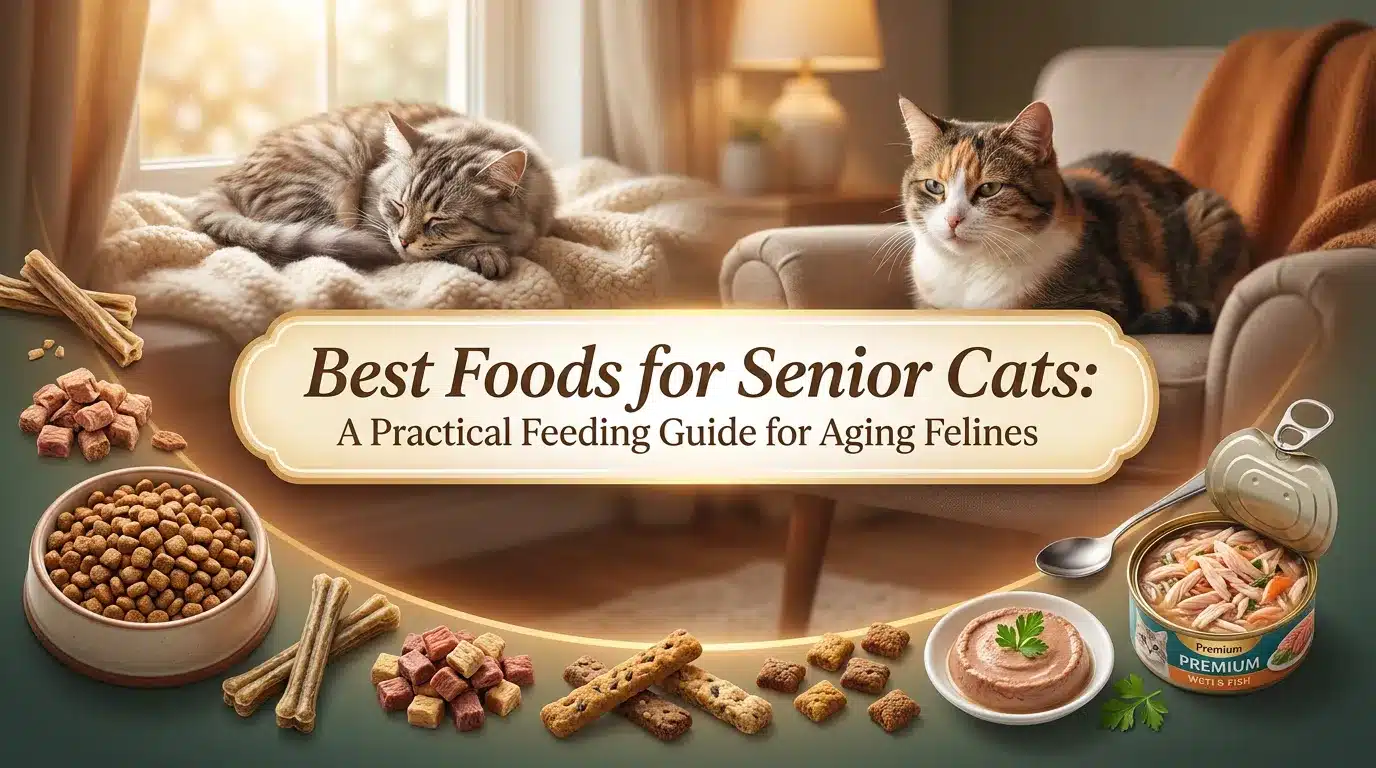
Senior cats, usually considered cats 7 years and older, often need a little more nutritional support than they did in their younger years. The best foods for senior cats are typically rich in high-quality animal protein, easy to digest, appealing to eat, and supportive of hydration. For many aging cats, that means wet food or a wet-and-dry combination. For cats with health conditions like hyperthyroidism, pancreatitis, chronic kidney disease, or diabetes, the best diet may need to be much more specific.
There is no single “perfect” food for every older cat. A healthy 8-year-old cat with a stable weight may do well on a quality adult maintenance food, while a 15-year-old cat with kidney disease, dental pain, and weight loss may need a prescription diet and a carefully monitored feeding schedule.
This senior cat feeding guide will walk you through what to feed old cats, whether senior cats should eat dry or wet food, what foods to avoid, and how to think about special diets for common age-related feline health problems.
Important: If your senior cat is losing weight, eating less, drinking more, vomiting, having diarrhea, or acting differently, talk to your veterinarian before changing foods. Diet can help, but it should match your cat’s diagnosis and lab work.
Understanding Senior Cat Nutritional Needs
As cats age, their bodies change. Some become less active and gain weight. Others lose muscle, become picky eaters, or start dropping weight even though they seem hungry. Older cats are also more likely to develop chronic health conditions that directly affect their diet, including kidney disease, hyperthyroidism, diabetes, arthritis, pancreatitis, and dental disease.
A nutritious diet for elderly cats should support three big goals: maintaining muscle, keeping the cat hydrated, and helping them stay at a healthy weight.
Protein is especially important. Cats are obligate carnivores, which means they rely on animal-based nutrients to stay healthy. Healthy senior cats often need enough high-quality protein to preserve lean muscle. However, some medical conditions, especially chronic kidney disease, may require more careful protein and phosphorus control. That is why “senior food” should not automatically mean “low protein.” The right protein level depends on the cat.
Calories also matter. An overweight senior cat may need fewer calories, but not fewer essential nutrients. An underweight senior cat may need more calorie-dense food, more frequent meals, or treatment for an underlying illness. Sudden weight loss in an older cat is never something to ignore.
Hydration is another major part of aging feline health. Many cats do not drink much water on their own, and older cats may be more vulnerable to dehydration, constipation, urinary issues, and kidney strain. This is one reason wet food is often helpful for senior cats.
The most useful thing you can do is monitor your cat closely. Track weight, appetite, water intake, litter box changes, vomiting, stool quality, and energy level. Small changes can be early clues that your cat’s diet or medical plan needs adjusting.
Should Senior Cats Eat Dry or Wet Food?
For most senior cats, wet food is usually the better everyday choice. It contains far more moisture than dry food, is often easier to chew, and tends to be more appetizing for picky older cats. The smell and texture of canned food can make a big difference for cats whose appetite has faded with age.
Wet food may be especially useful for cats with kidney concerns, constipation, urinary problems, dental discomfort, or low thirst drive. It can also be easier to portion and monitor, which helps if you are watching your cat’s weight or appetite.
That said, dry food is not automatically wrong. Some older cats prefer kibble, and some prescription diets are available in dry formulas. Dry food can also be convenient for cats who like to graze or for owners who are away during the day. The key is to measure it carefully, because kibble is calorie-dense and easy to overfeed.
Many senior cats do well with combination feeding. For example, you might offer wet food in the morning and evening, with a small measured amount of dry food during the day. This gives your cat the hydration benefits of wet food while keeping the routine flexible.
If your cat has dental disease, missing teeth, or mouth pain, texture becomes more important. Pâté, mousse, minced, or gravy-style foods may be easier than kibble. If your cat suddenly refuses dry food, drops food, drools, paws at the mouth, or chews strangely, schedule a dental check.
When changing food, go slowly. Senior cats can be sensitive to sudden diet changes, and a rushed transition can cause vomiting, diarrhea, or food refusal. A simple transition plan is to mix a small amount of the new food into the old food, then gradually increase the new food over 7 to 10 days. If your cat is very picky, offer the new food in a separate dish rather than mixing it in right away.
Best Cat Food for Common Senior Health Conditions
Senior cats often need condition-specific nutrition. This is where working with your veterinarian becomes especially important. A food that helps one disease may be wrong for another, and many older cats have more than one health issue at the same time.
Hyperthyroidism
If you are wondering, “What cat food is best for hyperthyroidism?” the most specific dietary option is a prescription low-iodine diet. Iodine is needed to produce thyroid hormones, so restricting iodine can help control thyroid hormone production in some cats.
However, this approach only works when the diet is fed very strictly. A cat on a low-iodine prescription diet usually cannot have other cat foods, treats, table scraps, flavored supplements, or food toppers unless the veterinarian approves them. Even small extras may interfere with the diet.
Foods that may worsen dietary management of hyperthyroidism include kelp, seaweed, iodine supplements, and fish-heavy treats. If your cat is being treated with medication, radioactive iodine, or surgery instead of diet alone, your vet may recommend a different food based on weight, kidney values, and appetite.
Pancreatitis
For pancreatitis, the goal is usually to feed a diet that is highly digestible, appealing, and gentle on the stomach. Cats with pancreatitis may feel nauseous or painful, so getting them to eat enough is often the first priority.
Some cats benefit from moderate- or lower-fat foods, especially if they also have digestive problems, diabetes, or obesity. But unlike dogs, cats with pancreatitis are not always managed with strict fat restriction. The best food depends on the individual cat.
Small, frequent meals are often easier to tolerate than one or two large meals. Wet food can be useful because it is soft, aromatic, and hydrating. Avoid sudden food changes, rich table scraps, and long periods without eating.
Chronic Kidney Disease
Chronic kidney disease is common in older cats. Cats with kidney disease often need a veterinary renal diet that controls phosphorus, supports hydration, and uses high-quality protein in an appropriate amount.
The goal is not simply to feed as little protein as possible. Older cats still need protein to maintain muscle. Instead, kidney diets are designed to reduce the burden on the kidneys while keeping the cat nourished.
Wet renal diets can be especially helpful because moisture supports hydration. For cats with kidney disease, avoid high-phosphorus foods, bone meal, excessive organ meats, salty broths, and supplements unless your veterinarian recommends them.
Diabetes
Many diabetic cats do best on diets that are high in protein and low in carbohydrates, often in wet food form. This type of diet may help with blood sugar control and weight management.
However, never change a diabetic cat’s food without veterinary guidance, especially if the cat is on insulin. A lower-carbohydrate diet can change insulin needs, and your vet may need to adjust the treatment plan.
For diabetic senior cats, consistency matters. Feed measured meals, keep meal timing predictable, and avoid high-carbohydrate treats.
Arthritis and Mobility Issues
For senior cats with arthritis, nutrition can help by supporting a healthy weight and reducing unnecessary joint stress. Extra weight makes movement harder and can worsen pain.
Some senior foods and supplements include omega-3 fatty acids, glucosamine, chondroitin, or other joint-supportive nutrients. These may help some cats, but they should be used carefully, especially if your cat has kidney disease, digestive issues, or takes medication.
Food placement also matters. Put bowls somewhere easy to reach, away from stairs if needed, and use shallow dishes so your cat does not have to strain or crouch uncomfortably.
How to Choose a Quality Senior Cat Food
The best senior cat food is not always the one with the word “senior” on the label. What matters most is whether the food is complete and balanced, appropriate for your cat’s health status, and something your cat will actually eat.
Look for a food with a clear nutritional adequacy statement, named animal protein sources, appropriate calories, and a texture your cat enjoys. If your cat has a diagnosed medical condition, ask your veterinarian whether a prescription diet is needed.
Some popular veterinary diet brands include Hill’s Prescription Diet, Royal Canin Veterinary Diet, and Purina Pro Plan Veterinary Diets. These brands offer formulas for kidney disease, thyroid management, diabetes, digestive problems, urinary disease, and weight control.
For healthy senior cats without a specific medical diagnosis, over-the-counter senior or adult maintenance foods from reputable brands may be enough. Options may include Purina Pro Plan Senior, Hill’s Science Diet Adult 7+ or 11+, Royal Canin Aging formulas, Iams Healthy Senior, Wellness Complete Health Senior, Blue Buffalo mature formulas, and various complete-and-balanced wet foods from brands like Weruva, Tiki Cat, or Fancy Feast.
Grain-free is not automatically better. Cats do not require grains, but grain-inclusive foods can still be healthy and well-balanced. Some grain-free foods use potatoes, peas, lentils, or tapioca, which may still contribute carbohydrates. Instead of focusing only on grains, look at the full nutrient profile, calories, protein quality, and your cat’s medical needs.
If you are comparing foods, ask the company or your vet for details like protein, phosphorus, iodine, sodium, fat, carbohydrates, and calories on a dry matter basis. This is especially helpful for cats with kidney disease, hyperthyroidism, diabetes, or pancreatitis.
What Should Be Avoided When Feeding Geriatric Cats?
Senior cats can be less resilient than younger cats, so feeding mistakes may affect them more quickly. Some foods are dangerous for all cats, while others are especially risky for cats with age-related disease.
Avoid toxic foods such as onions, garlic, chives, chocolate, alcohol, caffeine, grapes, raisins, xylitol, raw bread dough, cooked bones, and heavily seasoned foods. Large amounts of dairy can also upset the stomach, since many cats do not digest lactose well.
For cats with kidney disease, avoid high-phosphorus foods, bone-based diets, excess organ meats, salty broths, and random supplements. For cats with hyperthyroidism, avoid kelp, seaweed, iodine supplements, and unapproved treats if they are on a low-iodine diet. For diabetic cats, avoid sugary foods, high-carb treats, and unplanned diet changes. For cats with pancreatitis or digestive sensitivity, avoid fatty table scraps and sudden food switches.
Raw diets deserve extra caution. Older cats may have weaker immune defenses or underlying illness, making foodborne bacteria more concerning. If you are considering raw or homemade food, speak with your veterinarian or a board-certified veterinary nutritionist first.
Also remember that treats, toppers, broths, supplements, and flavored medications all count. They can add calories, alter mineral intake, or interfere with therapeutic diets.
Senior Cat Weight Management and Portion Control
Aging cats can struggle with both weight gain and weight loss. Both matter.
An overweight senior cat may be less active, more prone to arthritis discomfort, and at higher risk for diabetes. But weight loss must be done carefully. Cats should never be crash dieted, because rapid weight loss can be dangerous. A healthy weight plan should include measured meals, appropriate calories, enough protein, and regular weigh-ins.
Underweight senior cats need a different approach. If an older cat is losing weight, the first step is to find out why. Hyperthyroidism, kidney disease, diabetes, dental pain, cancer, intestinal disease, nausea, and chronic pain can all cause weight loss. Simply adding more food may not solve the problem.
Many senior cats do better with smaller meals offered more often. Instead of one or two large meals, try three to five small meals per day. This can help cats with nausea, pancreatitis, hyperthyroidism, or low appetite.
To encourage a senior cat to eat, warm wet food slightly, add a small amount of warm water, try different textures, use shallow bowls, and feed in a quiet place. If your cat still refuses food or eats much less than usual, call your veterinarian. Cats can become seriously ill if they stop eating.
Homemade Diets and Supplements for Senior Cats
Homemade diets can sound appealing, especially when a senior cat has multiple health problems or refuses commercial food. But homemade cat food is difficult to balance correctly. Cats need specific amounts of taurine, arginine, calcium, phosphorus, vitamin A, vitamin D, B vitamins, essential fatty acids, and trace minerals.
An unbalanced homemade diet can cause serious problems over time. This is especially risky for senior cats with kidney disease, thyroid disease, diabetes, pancreatitis, heart disease, or digestive disorders.
If you want to feed homemade food, work with a board-certified veterinary nutritionist. They can create a recipe that matches your cat’s age, weight, lab results, and medical conditions.
Supplements can also help in some cases, but they are not automatically safe. Omega-3 fatty acids, probiotics, joint supplements, B vitamins, and fiber may be useful for certain cats. However, the wrong supplement can worsen a condition or interact with medication. Always ask your vet before adding supplements to a senior cat’s routine.
Treats should stay limited. A few small pieces of plain cooked chicken, freeze-dried meat treats, or a spoonful of complete-and-balanced wet food may be fine for many cats, but treats should not replace meals. For cats on prescription diets, ask your vet which treats are allowed.
The Best Senior Cat Diet Is Personal
The best foods for senior cats are complete, balanced, protein-focused, hydrating, and matched to your cat’s health needs. For many older cats, wet food or a wet-and-dry combination is a smart choice because it supports hydration and is easier to eat. But cats with hyperthyroidism, pancreatitis, kidney disease, diabetes, arthritis, obesity, or unexplained weight loss may need a more specific plan.
If you are unsure what to feed your old cat, start with a senior wellness exam. Your veterinarian can check weight, muscle condition, teeth, thyroid levels, kidney values, blood sugar, and other markers that shape the right diet.
Aging cats can thrive with the right nutrition. The key is to watch their body, appetite, and habits closely—and adjust their food before small problems become big ones.
FAQ: Senior Cat Diet Questions
What is the best canned cat food for cats with hyperthyroidism?
If your cat is being managed through diet, the best canned food is usually a prescription low-iodine thyroid diet recommended by your veterinarian. It must typically be fed exclusively. If your cat is receiving medication or radioactive iodine therapy, your vet may recommend another food based on weight, kidney function, and overall health.
What foods worsen hyperthyroidism in cats?
Foods and supplements that contain extra iodine may interfere with dietary management. Avoid kelp, seaweed, iodine supplements, fish-heavy toppers, and unapproved treats if your cat is on a low-iodine diet.
What cat food has the lowest iodine content?
Prescription thyroid diets are designed to have very low iodine levels. Over-the-counter foods usually are not reliable substitutes because iodine levels can vary and may not be listed clearly on the label.
What cat food is best for pancreatitis?
A good pancreatitis diet is usually highly digestible, palatable, and offered in small frequent meals. Some cats may benefit from moderate- or lower-fat foods, but the best option depends on your cat’s symptoms and other health conditions.
Should senior cats eat dry or wet food?
Wet food is generally better for many senior cats because it supports hydration, is easier to chew, and is often more appealing. Dry food can still be appropriate if your cat prefers it, drinks well, and maintains a healthy weight.
How often should I feed my senior cat each day?
Most senior cats do well with three to five small meals per day. Cats with diabetes, pancreatitis, hyperthyroidism, nausea, or weight loss may need a more structured feeding schedule.
Can senior cats eat kitten food for extra calories?
Sometimes, but only with veterinary approval. Kitten food is calorie-dense, which may help some underweight cats short term, but it may be inappropriate for cats with kidney disease, obesity, pancreatitis, or certain mineral restrictions.
What human foods are safe for elderly cats?
Small amounts of plain cooked chicken, turkey, or lean meat may be safe for many cats. Avoid seasoning, sauces, bones, onion, garlic, salty foods, dairy-heavy foods, and anything toxic to cats.
When should I switch my cat to senior food?
Many cats should have their diet reviewed around age 7. Some can stay on adult maintenance food for years, while others need senior or prescription food earlier because of weight changes, dental disease, kidney issues, thyroid disease, or other health concerns.
How do I get my picky senior cat to eat?
Try warming wet food, adding warm water, offering different textures, using shallow bowls, and feeding in a quiet, comfortable area. If your senior cat suddenly becomes picky or skips meals, schedule a vet visit.

In her previous life, Lisa traveled extensively, both for work and leisure. After the pandemic struck, Lisa locked up her luggage and adopted a cat ever since.
Lisa is now an avid cat lover, she devotes most of her free time serving as butler to her adorable feline at home. When she is not with her cat, she can be seen using her phone sourcing for the latest cat supplies online.