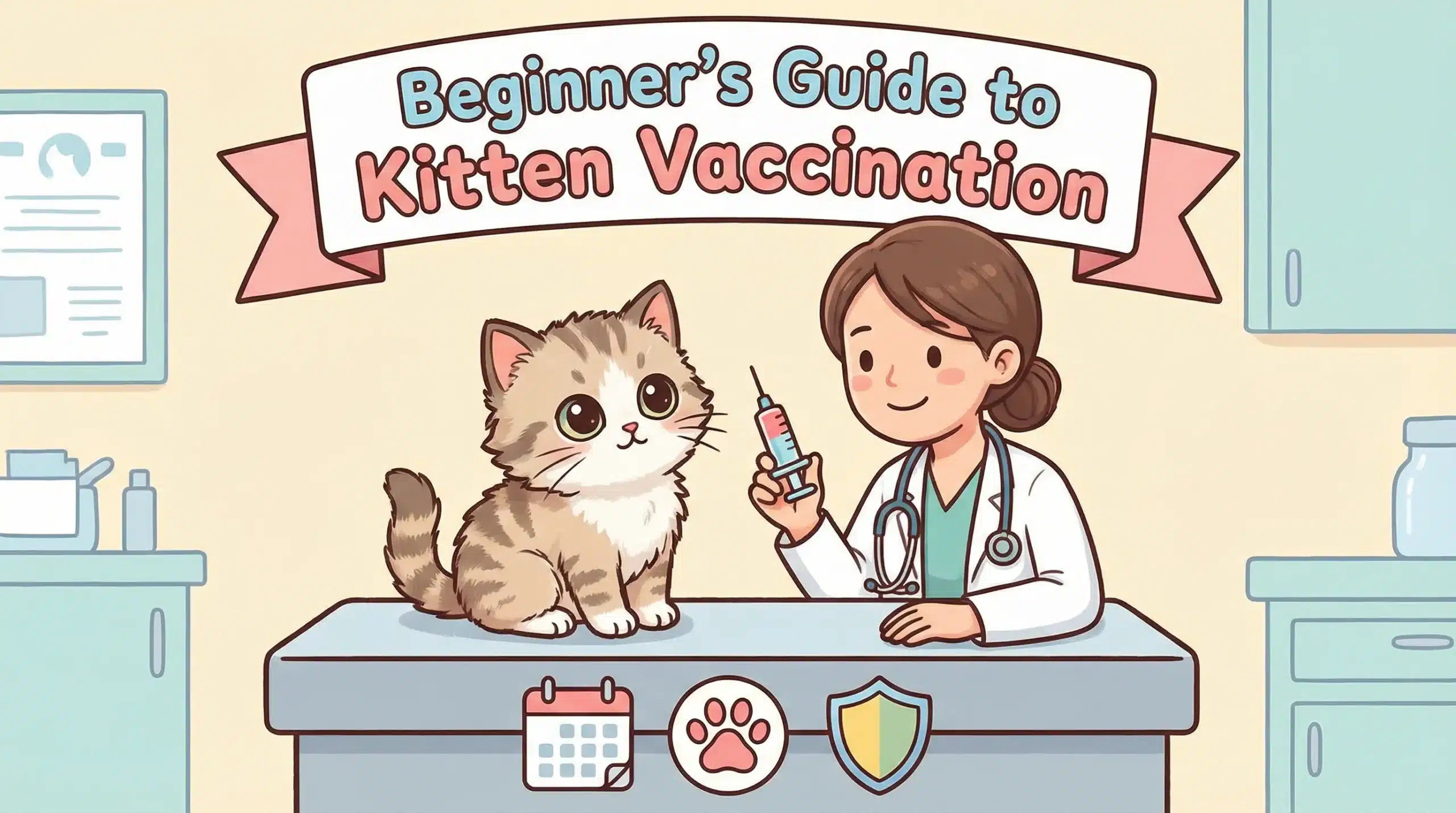
Kittens need core vaccines. These protect against major diseases. Your kitten should start vaccines around 6 to 8 weeks old. Your veterinarian will create a vaccine schedule for your kitten. Vaccines protect kittens from serious illness. They help kittens grow strong. Many owners are unsure about kitten vaccinations. You can learn the process.
Understanding the right time and steps will help your kitten stay healthy. Next, discover the best schedule for your kitten’s vaccinations.
Key Takeaways
-
Start vaccinating your kitten at 6 to 8 weeks old to protect against serious diseases.
-
Follow the recommended vaccination schedule to ensure your kitten builds strong immunity.
-
Consult your veterinarian to determine the right vaccines based on your kitten’s lifestyle and environment.
-
Monitor your kitten for side effects after vaccination and know when to seek veterinary help.
-
Keep up with annual wellness exams and booster shots to maintain your kitten’s health.
Kitten Vaccination Schedule
To ensure your kitten stays healthy and safe, adhering to the correct vaccination schedule is key to protecting them from serious illnesses. You might be wondering which shots kittens need and when they should receive them.
This section will provide a step-by-step guide.en do kittens need shots.
What Shots Do Kittens Need
You need to know which vaccines are essential for your kitten. Veterinary organizations recommend core kitten vaccines for every kitten, no matter where you live or how your cat spends its time. These core vaccines include:
-
Feline Parvovirus (FPV), also called panleukopenia
-
Feline Herpesvirus-1 (FHV-1), which causes rhinotracheitis
-
Feline Calicivirus (FCV)
-
Rabies
These vaccines safeguard your kitten against life-threatening illnesses. Panleukopenia, in particular, can be fatal. Rhinotracheitis and calicivirus lead to serious respiratory infections.
Furthermore, rabies poses a significant risk to both felines and people.
You may also hear about non-core vaccines. These are not required for every kitten. Your veterinarian may recommend them if your kitten lives in a multi-cat home, goes outside, or faces special risks.
Non-core vaccines include:
-
Feline Leukemia Virus (FeLV)
-
Bordetella
-
Chlamydia
Tip: Always talk to your vet about your kitten’s lifestyle. The right combination of vaccines depends on your kitten’s risk factors and environment.
When to Start Vaccinating Kittens
You should start the first round of kitten vaccines when your kitten is 6 to 8 weeks old. This early start helps protect your kitten as maternal antibodies fade. The kitten vaccination schedule for FVRCP (which covers FPV, FHV-1, and FCV) begins at this age.
Here is a simple table to help you track the schedule:
|
Vaccine |
First Dose |
Booster Interval |
Final Dose |
Annual Booster |
|---|---|---|---|---|
|
FVRCP |
6-8 weeks |
Every 3-4 weeks |
16-20 weeks |
1 year after last |
|
FeLV (if needed) |
8-12 weeks |
3-4 weeks after |
16 weeks |
1 year after last |
|
Rabies |
12-16 weeks |
None |
12-16 weeks |
1 year after first |
You need to bring your kitten for boosters every 3-4 weeks until 16-20 weeks old. This schedule builds strong immunity. If you miss a dose, your kitten may not get full protection.
Booster Shots and Rabies Vaccine
Booster shots play a key role in keeping your kitten’s immunity strong. After the first series, you need to return for a booster at one year. Then, your vet will recommend boosters every one to three years, depending on the vaccine and your kitten’s needs.
-
Booster shots help maintain high levels of protection against panleukopenia, calicivirus, and herpesvirus.
-
The rabies vaccine is required by law in many places. It protects your kitten and your family.
If you skip boosters, your kitten faces higher risk. Missing doses can leave your kitten open to infections like panleukopenia, herpesvirus, and calicivirus. These diseases spread easily, especially in homes with more than one cat.
You may have more questions about the kitten vaccination schedule. Many new owners ask about the timing, the difference between kitten and adult vaccines, and why indoor cats need shots. Even indoor kittens can catch diseases from visitors, other pets, or contaminated objects. Following the prescribed plan offers your kitten the finest commencement.

How to Vaccinate Kitten
You have learned about the vaccination schedule. Now, you need to know how to vaccinate kitten safely and effectively. This section will guide you through each step, from preparation to the actual process. You will also learn when to choose at-home care and when to visit the vet.
Preparing for Vaccination
Preparing your kitten for vaccination is key to a positive experience. A calm kitten will feel more at ease. You can help create a peaceful environment by using synthetic pheromones. These sprays imitate natural cat scents, which can help alleviate stress. Also, placing familiar-smelling items in the carrier can provide comfort.
Use a blanket or a cloth. Rub it on another cat. This helps your kitten feel secure.
Set up a hard-sided carrier with a soft blanket. Leave the carrier open in a quiet area so your kitten can explore it before the appointment. You can spray calming pheromones inside the carrier. Cover the carrier with a towel during travel to block out sights and sounds.
Soft music or white noise can also help soothe your kitten. Your own calm behavior will reassure your pet.
Tip: Remain patient and gentle. Your kitten will pick up on your emotions, so staying relaxed helps keep them calm.
At-Home vs. Vet Vaccination
You may wonder if you should vaccinate your kitten at home or visit the vet. Both options have benefits, but you must consider your kitten’s health and safety.
-
At-home vaccination can be convenient. You can use this method for basic vaccines if you have proper training and supplies.
-
Visiting the vet ensures professional care. The vet will check your kitten’s health before giving vaccines. The vet can also answer questions about how to vaccinate kitten and recommend the best vaccines for your pet.
You should consult a vet if you are unsure about how to vaccinate kitten. The vet will provide advice based on your kitten’s health and environment. Early vet visits help catch health issues before they become serious. Routine exams are important for keeping your kitten healthy.
Step-by-Step Vaccination Process
You need to follow a clear process for how to vaccinate kitten. Most vaccines for kittens are given by injection under the skin. Some vaccines, like certain respiratory vaccines, may be given as drops in the nose or eyes.
Here is a step-by-step guide for injectable vaccines:
-
Stay calm and ask for help if needed. A second person can hold your kitten gently.
-
Gather all supplies: vaccine, syringe, alcohol swab, and a soft towel.
-
Mix the vaccine if required. Some vaccines come in two parts that you must combine.
-
Draw the vaccine into the syringe. Check for air bubbles and remove them.
-
Wrap your kitten in a towel, leaving one area exposed for the injection. This helps keep your kitten still.
-
Find the injection site. Most vaccines go under the loose skin between the shoulder blades.
-
Clean the area with an alcohol swab. Pinch the skin gently and insert the needle just under the skin.
-
Inject the vaccine slowly. Remove the needle and massage the area gently.
-
Praise your kitten and offer a treat.
Some vaccines come as drops. For these, hold your kitten securely. Place the drops in the nose or eyes as directed. Always follow the instructions on the vaccine package or from your vet.
Safety Tip: If you feel unsure at any step, stop and call your vet. Never force your kitten or rush the process.
You now know how to vaccinate kitten with confidence. Remember, the vet is your best resource for questions about vaccines, vaccination schedules, and your kitten’s health. By following these steps, you help protect your kitten and give them a healthy start in life.
Vaccinating Kittens: Safety and Aftercare
You have learned how to give vaccines to your kitten. Now, you need to know what happens next. Monitoring your kitten after vaccination is important for their health and comfort.
Monitoring After Vaccination
After vaccinating kittens, you should watch your kitten closely for any changes. Most reactions happen within 20-30 minutes. Some kittens need observation in the clinic for a few hours, especially if they have had reactions before. Once you bring your kitten home, keep an eye on them for the rest of the day.
Common mild reactions include:
-
Swelling or bump at the injection site
-
Redness at the injection site
-
Pain at the injection site
-
Lethargy
-
Reduced appetite
Only about 0.5% of kittens experience side effects after vaccination. Most reactions are mild and resolve quickly.
Handling Side Effects
Some side effects are normal after vaccines. You may notice your kitten feels tired or has a slight fever. Small bumps at the injection site are common. Use the table below to help you decide when to seek help:
|
Side Effect |
Description |
Attention Required? |
|---|---|---|
|
Lethargy & Slight Fever |
Common, mild symptoms lasting 1-2 days. If prolonged, consult a veterinarian. |
Yes, if prolonged |
|
Localized Swelling |
Small, firm bump at injection site; normal unless it grows or shows signs of infection. |
Yes, if signs of infection |
|
Serious Reactions |
Symptoms like facial swelling, vomiting, hives, diarrhea, and breathing difficulties. |
Yes, immediate attention |
|
Anaphylaxis |
Severe allergic reaction, can occur within minutes to 48 hours post-vaccination. |
Yes, immediate attention |
If your kitten shows mild symptoms, let them rest and monitor their behavior. If symptoms last more than two days or worsen, call your vet.
When to Call the Vet
You must act quickly if your kitten shows warning signs. Seek veterinary care if you notice:
-
Hives
-
Facial swelling
-
Itchiness
-
Diarrhea
-
Vomiting
-
Breathing difficulties
These symptoms may signal a severe allergic reaction. Contact your vet immediately or go to an emergency center. Anaphylaxis can appear fast or up to 48 hours after vaccination. For ongoing care, schedule annual wellness exams and keep vaccines up-to-date.
Good nutrition and regular checkups help your kitten stay healthy. Your veterinarian and organizations like the American Animal Hospital Association offer guidance on vaccinating kittens and aftercare. You give your kitten the best chance for a healthy life when you follow the recommended vaccination schedule. Proper preparation and aftercare help keep your kitten safe and comfortable.
The table below shows how vaccines protect your kitten from serious diseases and reduce long-term health risks.
|
Benefit |
Impact on Kitten Health |
|---|---|
|
Disease Prevention |
Vaccines lower disease rates by 85-95% |
|
Chronic Health Problems |
Risk drops by 60% with vaccination |
If you have questions or concerns, reach out to your veterinarian. Raising a healthy kitten starts with simple steps and careful attention.
FAQ
How often should you vaccinate your kitten?
You should follow your vet’s recommended schedule. Most kittens need shots every 3-4 weeks until 16-20 weeks old. After the first year, your kitten will need booster shots every one to three years.
Can indoor kittens skip vaccines?
You should not skip vaccines for indoor kittens. Diseases can enter your home on shoes, clothing, or other pets. Feline vaccines protect your kitten from serious illnesses, even if your cat never goes outside.
What should you do if your kitten misses a vaccine appointment?
You should call your veterinarian as soon as possible. Your vet will help you get back on track. Delaying vaccines can leave your kitten unprotected, so do not wait to reschedule.
Are there side effects to kitten vaccines?
Most kittens have mild side effects like sleepiness or a small bump at the injection site. Serious reactions are rare. You should watch your kitten after each shot and call your vet if you see swelling, vomiting, or trouble breathing.
When can you let your kitten meet other cats?
You should wait until your kitten finishes the full vaccine series. This usually happens by 16-20 weeks old. Early socialization is important, but safety comes first.

In her previous life, Lisa traveled extensively, both for work and leisure. After the pandemic struck, Lisa locked up her luggage and adopted a cat ever since.
Lisa is now an avid cat lover, she devotes most of her free time serving as butler to her adorable feline at home. When she is not with her cat, she can be seen using her phone sourcing for the latest cat supplies online.