From the moment a newborn kitten arrives, you might wonder why they struggle to poop. Unlike older cats, these tiny furballs can’t eliminate waste independently until they’re approximately 3 to 4 weeks old. As a caregiver, I understand the importance of assisting them. Picture a kitten, full of milk, yet unable to relieve itself—that’s where our role begins.
Helping a newborn kitten poop involves gentle stimulation, mirroring a mother cat’s natural behavior. This technique supports digestion, fostering a happy and healthy kitten.
How to Make Newborn Kitten Poop
These little bundles of fur need a bit of help in the early weeks of life. Let’s start the process so your cat stays healthy and content.
Preparing for the Process
Before we get started, preparation is key. Creating the right environment and gathering the necessary materials will make the process smoother for both you and your kitten.
Gather Necessary Materials
First things first, let’s talk supplies. You’ll need:
-
Soft Cloth or Cotton Ball: Essential for gentle stimulation.
-
Warm Water: Helps mimic the warmth of a mother’s tongue.
-
Kitten-safe Wipes: Optional, but handy for quick clean-ups.
-
Thermometer: Useful for checking the water temperature.
Having these items ready will make it easier to help your kitty poop without any hiccups.
Create a Comfortable Environment
Next, set the stage for a stress-free experience. Find a quiet, warm spot where your kitten feels safe. A cozy blanket or towel can provide comfort and security. Remember, a relaxed kitten is more likely to respond positively to stimulation.
Stimulation Techniques
Now that we’re prepared, it’s time to learn how to make newborn kitten poop using gentle stimulation techniques. These methods mimic a mother’s natural behavior and are crucial for your kitten’s well-being.
Using a Warm, Damp Cloth
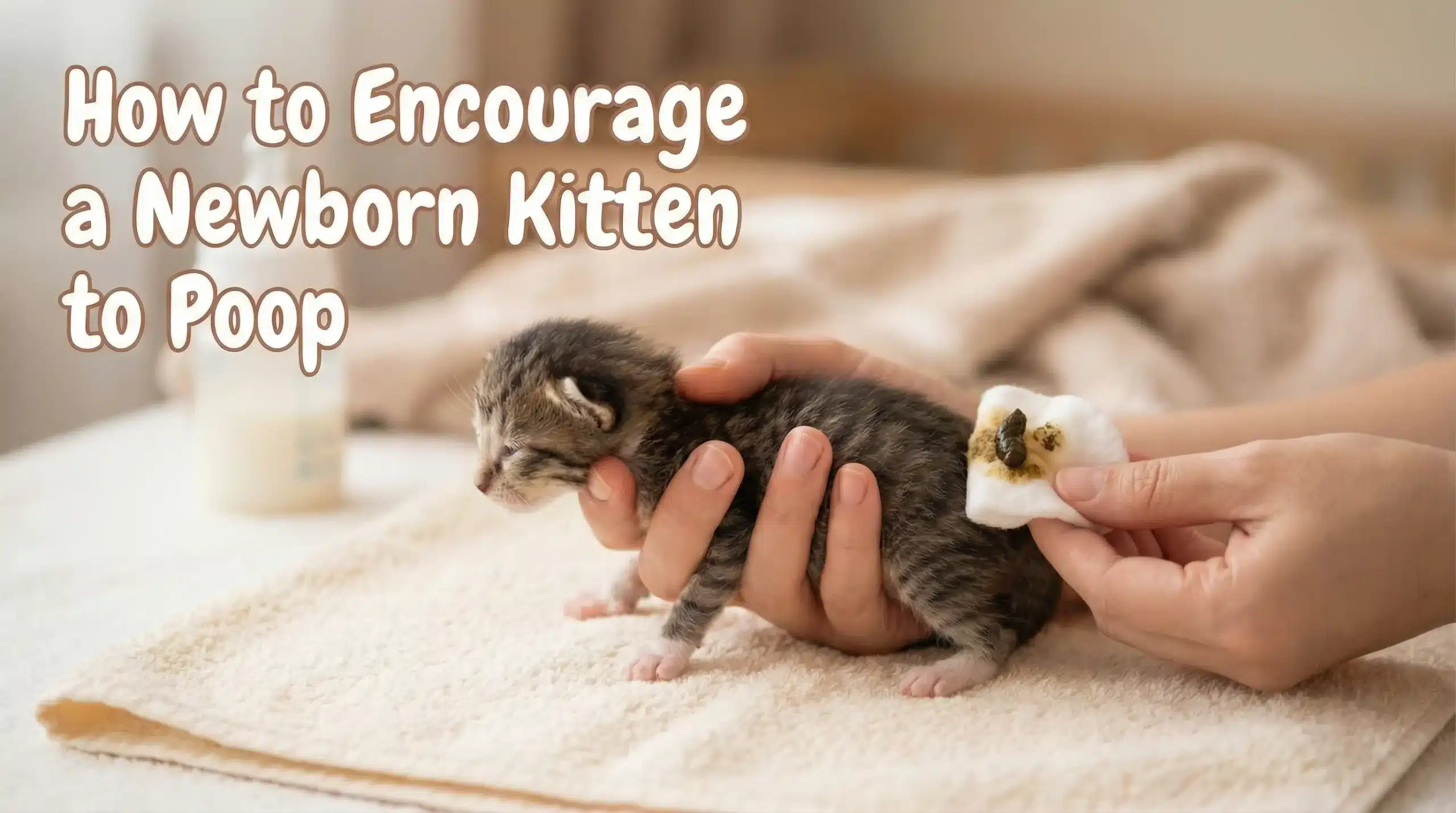
One effective technique involves using a warm, damp cloth. Here’s how:
-
Dampen the Cloth: Use warm water to moisten the cloth. Ensure it’s not too hot.
-
Gently Rub: In circular motions, gently rub the kitten’s genital and anal areas. This mimics the licking action of a mother cat.
-
Be Patient: It may take a few minutes for the kitten to respond. Patience is key.
This method helps stimulate the kitten to eliminate waste, ensuring they stay healthy and comfortable.
Gentle Massaging Techniques
Another approach involves gentle massaging. Follow these steps:
-
Position the Kitten: Hold the kitten securely in your lap.
-
Use Your Fingers: With clean hands, use your fingers to gently massage the kitten’s lower abdomen.
-
Apply Light Pressure: Apply light pressure in a circular motion. This can encourage bowel movements.
These techniques are not only effective but also help strengthen the bond between you and your kitten.
Post-Stimulation Care
Once you’ve successfully helped your kitty poop, it’s important to follow up with proper care.
Cleaning the Kitten
After stimulation, clean the kitten’s hind end with a damp cloth. This prevents any residue from drying on their delicate skin and fur. Keeping your kitten clean is beneficial for their health and comfort.
Monitoring the Kitten’s Health
Finally, keep an eye on your kitten’s overall health. Regularly check for signs of constipation or discomfort. If your kitten hasn’t pooped in over 24 hours, it might be time to consult a veterinarian. Follow these steps to create newborn kitten poop and promote your kitten’s health and happiness.
What You Need
When it comes to helping a newborn kitten with their bathroom needs, having the right supplies on hand makes all the difference. Let me guide you through the essentials and a few optional items that can make this process smoother and more effective.
Essential Materials
To start, you’ll need a few basic items. These are crucial for ensuring your kitten’s comfort and safety during the stimulation process.
Soft Cloth or Cotton Ball
A soft cloth or cotton ball is your best friend here. These items are gentle on a kitten’s delicate skin. I always keep a few on hand, ready to use. They help mimic the soft touch of a mother cat’s tongue, which is essential for stimulating bowel movements.
Warm Water
Next up, warm water. It’s not just about cleanliness; it’s about comfort. The warmth helps relax the kitten, making the process more natural and less stressful. I usually test the water temperature on my wrist to ensure it’s just right—not too hot, not too cold.
Optional Supplies
While the essentials are a must, a few optional supplies can enhance the experience and provide additional benefits.
Kitten-safe Wipes
For those moments when things get a bit messy, kitten-safe wipes come in handy. They’re designed to be gentle and effective, perfect for quick clean-ups. I find them particularly useful when I’m on the go or when a cloth isn’t enough to tackle the mess.
Thermometer for Temperature Check
A thermometer might seem like an odd addition, but it’s incredibly useful. Keeping track of the water temperature ensures you’re providing the right level of warmth. Plus, monitoring your kitten’s body temperature can alert you to any health issues. A kitten’s ideal body temperature ranges from 100 to 102 degrees Fahrenheit. If it falls outside this range, adjustments may be necessary to ensure their well-being.
Having these materials at your disposal will make the process of encouraging your newborn kitten to poop much more manageable. With the right tools, you’ll be well-equipped to care for your little furball, ensuring they stay healthy and happy.
Who Should Try This?
Ever found yourself staring at a tiny, helpless kitten and wondering how to help it thrive? You’re not alone. Many of us have been there, feeling the weight of responsibility and the joy of nurturing a little life. Let’s explore who should take on the task of helping these newborns, especially when their mothers aren’t around.
Pet Owners with Orphaned Kittens
Imagine waking up one morning to find a litter of kittens abandoned on your doorstep. Their tiny meows tug at your heartstrings, and you know you can’t just walk away. As a pet owner, you might feel overwhelmed, but the journey of caring for orphaned kittens is incredibly rewarding. I remember the first time I had to stimulate an orphaned kitten. It was daunting, yet fulfilling. These kittens rely on us for everything, from feeding to helping them with their bathroom needs.
Here’s a quick guide for pet owners:
-
Feeding Schedule: Newborn kittens need to eat every 2-3 hours. Be prepared for some sleepless nights.
-
Stimulation: After each meal, gently stimulate an orphaned kitten to help them eliminate waste. This mimics the mother’s natural behavior.
-
Warmth: Keep them warm with a heating pad or warm blanket, as they can’t regulate their body temperature.
|
Task |
Frequency |
Tools Needed |
|---|---|---|
|
Feeding |
Every 2-3 hours |
Kitten milk substitute |
|
Stimulation |
After each meal |
Soft cloth, warm water |
|
Providing Warmth |
Constantly |
Heating pad, blanket |
Caregivers of Kittens with Absent Mothers
Sometimes, a mother cat might be unable to care for her kittens due to illness or other reasons. In such cases, caregivers step in to fill the void. It’s a role that requires patience, dedication, and a lot of love. When I first took on this responsibility, I realized how fragile these little creatures are. They need constant attention and care.
For caregivers, here are some tips:
-
Observation: Keep a close eye on the kittens’ health. Look for signs of distress or illness.
-
Routine: Establish a routine for feeding and stimulation. Consistency is key.
-
Support: Don’t hesitate to reach out to local animal shelters or veterinarians for guidance.
Taking on the role of a caregiver for kittens with absent mothers can be challenging, but it’s also a chance to make a real difference in their lives. The bond you form with these kittens is unlike any other, and watching them grow and thrive is a reward in itself.
Potential Challenges
Caring for a newborn kitten can feel like a rollercoaster ride. One moment, you’re basking in the joy of their tiny purrs, and the next, you’re faced with the challenge of a constipated kitten. Let’s dive into some common hurdles you might encounter and how to tackle them head-on.
Kitten’s Resistance to Stimulation
Imagine this: you’re all set with your soft cloth and warm water, ready to help your little furball. But instead of cooperation, you get a squirming, resistant kitten. It’s a scene many caregivers know all too well. Kittens, especially those new to the world, might resist stimulation. They don’t understand that this process is crucial for their health.
Here’s what I’ve learned over the years:
-
Stay Calm: Your kitten senses your energy. A calm demeanor can help soothe them.
-
Gentle Persistence: Use gentle, consistent motions. Sometimes, it takes a few tries before they relax.
-
Create a Routine: Kittens thrive on routine. Try to stimulate them at the same times each day.
Remember, patience is your best friend here. With time, your kitten will likely become more accustomed to the process.
Difficulty in Identifying Constipation
Spotting a constipated kitten isn’t always straightforward. Unlike humans, kittens can’t tell us when they’re uncomfortable. So, how do you know if your kitten is constipated? Look for these signs:
-
Lack of Pooping: If your kitten hasn’t pooped in over 24 hours, it might be constipated.
-
Straining: Watch for signs of straining without results. This can indicate a blockage.
-
Distressed Crying: A distressed cry often accompanies constipation. It’s their way of signaling discomfort.
Here’s a quick reference table to help you identify and address kitten constipation:
|
Symptom |
Possible Cause |
Suggested Action |
|---|---|---|
|
No pooping for 24+ hrs |
Lack of stimulation |
Increase frequency of stimulation |
|
Straining |
Possible blockage |
Consult a veterinarian |
|
Distressed crying |
Discomfort or pain |
Gently massage abdomen |
Understanding these signs can make a world of difference. If you suspect your kitten is constipated, don’t hesitate to seek veterinary advice. A professional can provide guidance tailored to your kitten’s needs.
Navigating the challenges of kitten care requires a mix of patience, observation, and a willingness to learn. Each kitten is unique, and what works for one might not work for another. Embrace the journey, and remember that every small victory is a step towards a happy, healthy kitten.
Common Mistakes to Avoid
Navigating the world of kitten care can feel like a maze. I remember my early days, filled with trial and error. Over time, I learned that avoiding certain mistakes makes the journey smoother for both you and your furry friend. Let’s explore some common pitfalls and how to steer clear of them.
Using Cold Water
Imagine stepping into a cold shower on a chilly morning. Not pleasant, right? Kittens feel the same way about cold water. Using cold water during stimulation can shock their tiny systems. It can make them uncomfortable and resistant to the process. I always ensure the water is warm, not hot, to mimic the soothing warmth of a mother’s tongue.
Here’s a quick guide to help you get it right:
-
Test the Temperature: Use your wrist to check the water’s warmth. It should feel comfortably warm, not scalding.
-
Maintain Consistency: Keep the water at a consistent temperature throughout the process.
-
Avoid Chilled Kittens: Never use cold water on a chilled kitten. It can lead to health issues.
|
Mistake |
Consequence |
Solution |
|---|---|---|
|
Using Cold Water |
Shock and discomfort |
Use warm water |
|
Inconsistent Temp |
Resistance to stimulation |
Maintain consistent warmth |
|
Chilled Kittens |
Health complications |
Ensure kitten is warm |
Applying Too Much Pressure
In my early days, I thought more pressure meant better results. I quickly learned that kittens are delicate creatures. Applying too much pressure during stimulation can cause discomfort or even injury. The key is to be gentle and patient.
Here’s how to avoid this mistake:
-
Gentle Touch: Use light, circular motions. Imagine you’re handling a fragile piece of glass.
-
Observe Reactions: Pay attention to your kitten’s body language. If they squirm or cry, ease up on the pressure.
-
Practice Patience: Sometimes, it takes a few tries before your kitten responds. Patience is crucial.
Avoiding these common mistakes can make a world of difference in your kitten care journey. With the right approach, you’ll create a positive experience for both you and your little furball. Remember, every kitten is unique, and what works for one might not work for another. Embrace the learning process, and enjoy the rewarding journey of nurturing your tiny companion.
Kitten Constipation: Signs to Watch
Ever found yourself staring at your kitten, wondering why it hasn’t pooped in a while? You’re not alone. Kitten constipation can be a puzzling and concerning issue for many caregivers. Let’s explore the signs that might indicate your little furball is having trouble in the bathroom department.
Lack of Pooping for Over 24 Hours
One of the first signs of kitten constipation is a lack of pooping for more than 24 hours. I remember the first time I noticed this with one of my kittens. It was a bit alarming, but understanding the signs helped me act quickly. Kittens typically need to eliminate waste after each meal, so a day without pooping can signal constipation.
Here’s what you can do:
-
Monitor Feeding and Stimulation: Ensure your kitten is eating regularly and receiving proper stimulation after meals. This helps maintain a healthy digestive rhythm.
-
Check for Dehydration: Dehydration can contribute to constipation. Make sure your kitten has access to fresh water and is drinking enough.
-
Observe Behavior: Look for signs of discomfort or lethargy. A kitten that seems less playful or energetic might be experiencing constipation.
|
Sign |
Possible Cause |
Suggested Action |
|---|---|---|
|
No pooping for 24+ hrs |
Lack of stimulation |
Increase frequency of stimulation |
|
Dehydration |
Insufficient water intake |
Ensure access to fresh water |
|
Lethargy |
Discomfort or pain |
Consult a veterinarian |
Straining Without Results
Another telltale sign of kitten constipation is straining without results. If your kitten appears to be trying to poop but nothing comes out, it might be struggling with constipation. This can be distressing for both you and your kitten.
Here’s how to help a constipated kitten:
-
Gentle Abdominal Massage: Use your fingers to gently massage your kitten’s lower abdomen. This can help stimulate bowel movements.
-
Warm Bath: A warm bath can relax your kitten’s muscles and encourage pooping. Ensure the water is comfortably warm, not hot.
-
Consult a Veterinarian: If your kitten continues to strain without results, seek veterinary advice. Persistent constipation might require professional intervention.
Understanding these signs and knowing how to help a constipated kitten can make a significant difference in your kitten’s health and comfort. Remember, every kitten is unique, and what works for one might not work for another. Stay observant, and don’t hesitate to reach out for professional help if needed.
When to Seek Veterinary Help
Ever found yourself in a situation where your kitten seems to be struggling, and you’re unsure of what to do next? It’s a feeling many of us have experienced. Knowing when to see a veterinarian can make all the difference in your kitten’s health journey. Let’s explore the signs that indicate it’s time to seek professional help.
Persistent Constipation
Kitten constipation can be a tricky issue. If your kitten hasn’t pooped for more than 48 hours, it might be time to consult a vet. Persistent constipation can lead to serious health issues, such as megacolon. This condition occurs when the colon becomes enlarged and loses its ability to contract. In such cases, home remedies might not suffice.
Here’s a quick checklist to help you decide:
-
Duration: Has it been over 48 hours since your kitten last pooped?
-
Behavior: Is your kitten showing signs of discomfort or distress?
-
Attempts: Have you tried home remedies without success?
If you answered “yes” to these questions, it’s time to seek veterinary assistance. A professional can provide the necessary treatment, which might include enemas or other interventions.
|
Indicator |
Action Needed |
|---|---|
|
No pooping for 48+ hrs |
Consult a veterinarian |
|
Signs of discomfort |
Seek professional help |
|
Failed home remedies |
Visit a vet clinic |
Signs of Illness or Distress
Kittens can’t tell us when they’re feeling unwell, but their behavior often speaks volumes. If your kitten is straining excessively, vomiting, or seems in severe pain, these are red flags. Such symptoms might indicate a more serious underlying issue that requires immediate attention.
Here’s what to watch for:
-
Excessive Straining: If your kitten strains without results, it could be a sign of a blockage.
-
Vomiting: Frequent vomiting can indicate digestive issues or other health problems.
-
Severe Pain: A kitten in pain might cry out or become lethargic.
In these situations, don’t hesitate to contact a veterinarian. They can diagnose the issue and provide the appropriate care to ensure your kitten’s well-being.
Understanding when to see a veterinarian can save your kitten from unnecessary discomfort and potential health complications. Trust your instincts, and remember that professional help is always available when needed. Your kitten’s health and happiness are worth every effort.
What Else to Know
Importance of Hydration
Imagine a world where your kitten’s thirst is quenched, and their tiny body thrives with vitality. Hydration plays a crucial role in a kitten’s health, much like it does for us humans. I recall the first time I learned about the importance of keeping kittens hydrated. It was a game-changer in my caregiving journey.
Scientific Research Findings:
-
Hydration is vital for maintaining kidney health. Chronic underhydration can lead to kidney damage in both humans and animals.
-
Kittens eating dry food need more water to compensate for the low moisture content in their diet.
To ensure your kitten stays hydrated, always provide fresh, clean water. If your kitten prefers dry food, consider supplementing their diet with nutrient-rich water products like Purina® Pro Plan® Veterinary Supplements Hydra Care™. This can help optimize their fluid intake.
Here’s a quick guide to help you maintain your kitten’s hydration:
|
Hydration Tip |
Why It’s Important |
|---|---|
|
Fresh Water Daily |
Prevents dehydration and supports kidney health |
|
Wet Food Option |
Provides additional moisture |
|
Nutrient-Supplemented Water |
Enhances fluid intake for dry food eaters |
|
Monitor Drinking Habits |
Ensures adequate hydration levels |
Keeping your kitten hydrated not only prevents constipation but also supports their overall well-being. Remember, a well-hydrated kitten is a happy kitten!
Maintaining a Balanced Diet for the Kitten
Feeding your kitten isn’t just about filling their tiny tummies. It’s about providing the right nutrients to fuel their growth and development. I remember the first time I realized the impact of a balanced diet on a kitten’s health. It was like watching a flower bloom with the right care.
Scientific Research Findings:
-
A balanced diet is essential for a growing kitten. Many commercial foods are specially formulated to meet their unique nutritional needs.
-
Kittens are naturally curious eaters. Introducing a variety of textures and flavors early on can help them maintain hydration and enjoy diverse diets throughout life.
Here’s how you can ensure your kitten gets the nutrition they need:
-
Choose Quality Kitten Food: Look for commercial foods designed for kittens. These are packed with the nutrients they need until they’re 12 months old.
-
Mix Textures and Flavors: Offer a mix of wet and dry foods. This not only keeps meals interesting but also helps with hydration.
-
Monitor Portion Sizes: Overfeeding can lead to obesity, while underfeeding can stunt growth. Follow feeding guidelines on food packaging.
-
Regular Vet Check-ups: Regular visits to the vet ensure your kitten’s diet meets their changing needs as they grow.
Helping newborn kittens poop is more than just a task; it’s a vital part of their early care. I can’t stress enough how important it is to monitor your kitten’s health. Regular checks on their bathroom activities can catch potential issues early. This vigilance ensures they grow into healthy, happy cats. Proper care now prevents future digestive problems.
Remember, each kitten is unique. Stay observant and responsive to their needs. Your dedication today lays the foundation for their thriving tomorrow. Keep nurturing those tiny furballs with love and attention!

In her previous life, Lisa traveled extensively, both for work and leisure. After the pandemic struck, Lisa locked up her luggage and adopted a cat ever since.
Lisa is now an avid cat lover, she devotes most of her free time serving as butler to her adorable feline at home. When she is not with her cat, she can be seen using her phone sourcing for the latest cat supplies online.