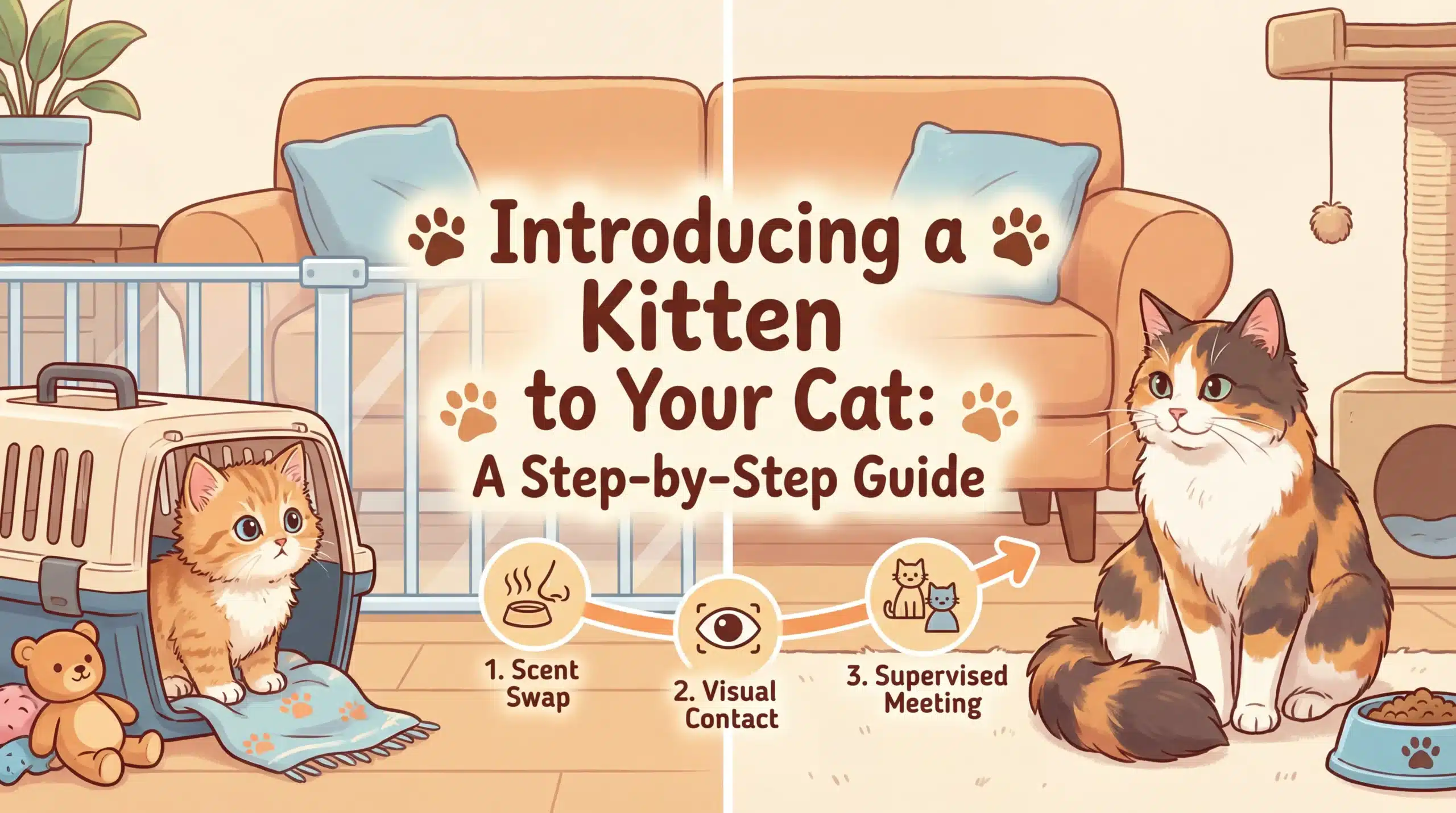
Welcoming a new kitten into your home is an exciting journey, but introducing it to your resident cat requires a thoughtful approach. A gradual introduction process is key to fostering a harmonious relationship between the two cats. This method not only minimizes stress but also maximizes the chances of a successful bond. By taking it slow, you allow both cats to adjust to each other’s presence, paving the way for a peaceful coexistence.
Remember, patience and the right strategy can make all the difference in how to introduce kitten to cat, ensuring a smooth transition for everyone involved.
Preparation for Introducing Cats
Bringing a new kitten into your home is a joyful experience, but it requires careful planning to ensure a smooth transition for both your kitten and your resident cat. As a cat owner, you want to create an environment where both pets feel safe and comfortable.
This section of the guide will help you prepare for the introduction process, ensuring that your cats have the best chance of becoming friends.
Set Up Comfort Zone
Creating a comfort zone for your kitten is essential. This area should be a quiet, secure space where your kitten can relax and adjust to its new surroundings. Choose a room or a specific area in your home where your kitten can feel safe. Equip this space with essentials like a litter box, food, water, and toys.
Such a setup allows your kitten to explore and play without feeling overwhelmed by the presence of your resident cat.
To enhance the comfort of this space, consider using Comfort Zone Products. These products mimic a cat’s natural pheromones, helping to reduce stress and negative behaviors. The Comfort Zone Multi-Cat Diffuser is particularly effective in creating a calming environment. Plug it into the room where your kitten will spend most of its time. This will help both cats feel more at ease during the introduction process.
Safe Space for Kitten
A safe space is important for your kitten’s well-being. This designated area should be off-limits to your resident cat initially. It allows your kitten to acclimate to its new home without feeling threatened.
Make sure this space is equipped with everything your kitten needs, including a cozy bed, scratching post, and plenty of toys for playtime. Encourage your kitten to explore this area at its own pace. This will help build confidence and reduce anxiety. Remember, a confident kitten is more likely to have positive interactions with your resident cat.
Using Comfort Zone Products
Comfort Zone Products play a vital role in easing the introduction process. The Comfort Zone Multi-Cat Diffuser helps reduce tension and conflict between cats. It releases soothing vapors that mimic a mother cat’s pheromones, creating a sense of calm.
Place the diffuser in both the kitten’s safe space and the areas where your resident cat spends the most time.
Consider using the Comfort Zone Calming Collar for your resident cat. This collar provides continuous calming pheromones, helping your cat feel more comfortable with the new addition to the family. These products are drug-free and safe, making them an excellent choice for cat owners looking to introduce cats smoothly. Creating a comfort zone and utilizing these products will help set the stage for a peaceful introduction. This preparation is a crucial step in the kitten guide to ensure a harmonious relationship between your pets.
Step 1: Scent Swapping
Introducing a new kitten to your resident cat can feel like a daunting task. But don’t worry, scent swapping is a fantastic first step in the process. Cats rely heavily on their sense of smell to understand their environment and the creatures within it.
When they get used to each other’s smell, their introduction will be smoother.
Detailed Instructions
-
Prepare the Environment: Keep your kitten and resident cat in separate spaces initially. This separation allows each cat to adjust to the new scents without direct contact. You can use a towel or blanket to gently rub each cat, capturing their unique scent.
-
Swap Scents: Place the towel or blanket with your kitten’s scent in the area where your resident cat spends most of its time. Similarly, introduce the towel with your resident cat’s scent into the kitten’s safe space. This scent exchange helps both cats become accustomed to each other’s presence without the stress of a face-to-face meeting.
-
Observe Reactions: Watch how each cat reacts to the new scent. A calm or curious response is a positive sign. If either cat seems stressed, give them more time before moving on to the next step. Reinforce calm behavior with treats and praise to create positive associations with the new scent.
-
Switch Spaces: Once both cats seem comfortable with the scent exchange, allow them to explore each other’s spaces. This step gives them a chance to investigate the other’s territory and further familiarize themselves with the new smells. Ensure that each cat has access to their essentials like food, water, and a litter box during this process.
-
Repeat as Needed: Scent swapping isn’t a one-time event. Repeat this process over several days, gradually increasing the time each cat spends in the other’s space. This repetition helps solidify their comfort with each other’s scent.
Common Concerns
-
Hissing or Growling: It’s normal for cats to hiss or growl when they first encounter a new scent. This behavior is a natural response to unfamiliarity. Give them time to adjust and continue the scent swapping process.
-
Lack of Interest: If one or both cats show little interest in the new scent, don’t worry. This lack of reaction can indicate that they aren’t feeling threatened, which is a good sign. Continue with the scent swapping to reinforce familiarity.
-
Stress Signs: Watch for signs of stress, such as excessive grooming or hiding. If you notice these behaviors, slow down the introduction process. Consider using calming products like pheromone diffusers to help ease their anxiety.
Scent swapping is a crucial step in introducing cats. It allows them to get to know each other in a non-threatening way, setting the stage for successful future interactions. With patience and careful observation, you can help your cats build a positive relationship.
Step 2: Visual Contact Through Barrier
You might wonder how to set this up effectively. Let’s dive into the details.
Detailed Instructions
-
Choose the Right Barrier: Use a baby gate or a screen door as a barrier. These options let your kitten and resident cat see each other while keeping them physically separated. Ensure the barrier is secure and tall enough to prevent any attempts to jump over.
-
Create a Positive Environment: Place some of your kitten’s favorite toys and treats near the barrier. This encourages your kitten to approach the barrier with curiosity rather than fear. Similarly, offer your resident cat some treats on their side to create a positive association with the new sight.
-
Short Sessions: Start with short sessions of visual contact, around 5-10 minutes. Observe how both cats react. If they seem calm or curious, gradually increase the duration of these sessions. If either cat shows signs of stress, such as hissing or retreating, shorten the session and try again later.
-
Monitor Body Language: Pay close attention to the body language of both cats. A relaxed posture, slow blinking, or gentle tail movements indicate comfort. On the other hand, flattened ears, dilated pupils, or a puffed-up tail suggest stress or aggression. Adjust the sessions based on these cues.
-
Repeat and Extend: Consistency is key. Repeat these visual contact sessions several times a day. As both cats become more comfortable, extend the duration and frequency of these interactions. This gradual exposure helps them build familiarity and reduces anxiety.
Common Concerns
-
Aggressive Behavior: It’s normal for cats to show some aggression initially. If your kitten or resident cat displays aggressive behavior, such as growling or swatting, end the session calmly. Give them time to cool down before trying again.
-
Lack of Interest: Sometimes, one or both cats may seem indifferent during these sessions. This isn’t necessarily a bad sign. It might mean they’re not feeling threatened. Continue with the sessions to reinforce familiarity.
-
Stress Signs: Watch for signs of stress, like excessive grooming or hiding. If you notice these behaviors, slow down the introduction process. Consider using calming products, like pheromone diffusers, to help ease their anxiety.
Visual contact through a barrier is a crucial step in introducing your kitten to your resident cat. It allows them to get used to each other in a safe and controlled environment. With patience and careful observation, you can help your cats build a positive relationship.
Step 3: Supervised Free Contact
Introducing a kitten to your existing cat can feel like a big step, but it’s an exciting part of the journey. You’ve already laid the groundwork with scent swapping and visual contact. Now, it’s time for supervised free contact. This stage allows your kitten and older cat to interact directly while you monitor their behavior. It’s crucial to ensure that both cats feel comfortable and safe during these interactions.
Detailed Instructions
-
Set the Scene: Choose a neutral area in your home where neither cat feels territorial. This space should be free of any items that might cause tension, like food bowls or litter boxes. Ensure the environment is calm and quiet, minimizing distractions.
-
Introduce Toys and Treats: Use toys and treats to create positive associations. Engage both cats in play with interactive toys like feather wands or laser pointers. This shared activity can help them bond and reduce any initial tension.
-
Monitor Body Language: Keep a close eye on their body language. Look for signs of comfort, such as relaxed postures and gentle tail movements. If you notice any signs of stress or aggression, like hissing or swatting, calmly separate them and try again later.
-
Short Sessions: Start with short sessions, around 10-15 minutes. Gradually increase the duration as both cats become more comfortable with each other. Remember, patience is key. Some cats may take longer to adjust than others.
-
Positive Reinforcement: Reward both cats with treats and praise for calm behavior. This positive reinforcement encourages them to associate each other with good experiences.
-
Be Ready to Intervene: Stay close by and be prepared to intervene if necessary. If the interaction becomes too intense or one cat seems overwhelmed, gently separate them and give them some time apart.
Common Concerns
-
Aggression: It’s normal for cats to show some aggression initially. If your kitten or older cat displays aggressive behavior, end the session calmly. Give them time to cool down before trying again.
-
Lack of Interest: Sometimes, one or both cats may seem indifferent during these sessions. This isn’t necessarily a bad sign. It might mean they’re not feeling threatened. Continue with the sessions to reinforce familiarity.
-
Stress Signs: Watch for signs of stress, like excessive grooming or hiding. If you notice these behaviors, slow down the introduction process. Consider using calming products, like the Comfort Zone Multi-Cat Diffuser, to help ease their anxiety.
Supervised free contact is a crucial step in introducing your kitten to your existing cat. It allows them to get used to each other in a safe and controlled environment. With patience and careful observation, you can help your cats build a positive relationship.
Step 4: Unsupervised Interactions
You’ve reached an exciting milestone in the journey of introducing your kitten to your older cat. After successful supervised interactions, it’s time to let them interact unsupervised. This step is crucial for building a natural relationship between your pets. However, it requires careful preparation and observation to ensure a smooth transition.
Detailed Instructions
-
Create a Safe Environment: Before allowing unsupervised interactions, ensure your home is kitten-proofed. Remove any potential hazards like electrical cords, small objects, or plants that your kitten might chew on. This precaution keeps your kitten safe while exploring.
-
Observe Initial Reactions: Initially, allow short periods of unsupervised interaction. Keep an eye on their behavior from a distance. Look for signs of comfort, such as playing or resting near each other. If you notice any tension, separate them and try again later.
-
Provide Separate Resources: Ensure both cats have access to their own food, water, and litter boxes. This setup prevents competition and reduces stress. It also allows each cat to retreat to their own space if needed.
-
Monitor Progress: Gradually increase the duration of unsupervised interactions as both cats become more comfortable. Pay attention to their body language and behavior. Positive signs include grooming each other or sleeping in close proximity.
-
Use Calming Products: Consider using calming products like pheromone diffusers to ease any remaining tension. These products can help create a peaceful environment, making the transition smoother for both cats.
-
Be Patient: Remember, every cat is unique. Some may take longer to adjust than others. Patience is key. Allow them to develop their relationship at their own pace.
Common Concerns
-
Aggression: If you notice aggressive behavior, such as hissing or swatting, separate the cats immediately. Give them time apart before reintroducing them. This behavior is normal as they establish their social hierarchy.
-
Stress Signs: Watch for signs of stress, like excessive grooming or hiding. If you observe these behaviors, slow down the introduction process. Consider using calming products to help ease their anxiety.
-
Lack of Interaction: If your cats seem indifferent to each other, don’t worry. This lack of interaction can indicate that they feel comfortable and unthreatened. Continue to monitor their behavior and provide opportunities for positive interactions.
Unsupervised interactions are a significant step in how to introduce kitten to cat. They allow your pets to build a natural relationship without constant supervision. With patience and careful observation, you can help your kitten and older cat coexist peacefully in your home.
Managing Potential Conflicts
Introducing a kitten to your older cat can be a rewarding experience, but it may also come with challenges. You might notice some tension or stress as your pets adjust to their new living situation. Understanding how to manage potential conflicts is crucial for maintaining a peaceful home environment.
Let’s explore how to identify signs of stress or aggression and strategies for conflict resolution.
Identifying Signs of Stress or Aggression
Recognizing stress or aggression in your cats is the first step in managing conflicts. Cats often communicate their discomfort through body language and behavior. Here are some signs to watch for:
-
Body Language: Look for flattened ears, dilated pupils, or a puffed-up tail. These signs indicate that your cat feels threatened or stressed.
-
Vocalizations: Hissing, growling, or yowling are common vocal signs of aggression or fear.
-
Behavioral Changes: Notice if your cat starts hiding more often, becomes less social, or shows changes in eating habits. These behaviors can signal stress.
-
Physical Aggression: Swatting, biting, or chasing can occur if your cats feel their territory is threatened.
Understanding these signs helps you intervene before conflicts escalate. Cats instinctively hide in threatening situations, so providing high resting spaces can help them feel safe and reduce stress.
Strategies for Conflict Resolution
Once you’ve identified signs of stress or aggression, it’s time to implement strategies to resolve conflicts. Here are some effective methods:
-
Create Safe Spaces: Ensure each cat has its own space to retreat to when feeling overwhelmed. This can be a separate room or a high perch where they can observe without interacting.
-
Use Calming Products: Consider using feline pheromone diffusers like the Comfort Zone® Opticalm Diffuser. These products release calming pheromones that can reduce stress and unwanted behaviors.
-
Gradual Introductions: If conflicts arise, revisit earlier steps in the introduction process. Gradually reintroduce your kitten and older cat using scent swapping and visual barriers to rebuild positive associations.
-
Engage in Play: Interactive play sessions can help redirect energy and reduce tension. Use toys that both cats enjoy encouraging positive interactions.
-
Monitor and Adjust: Keep a close eye on your cats’ interactions. If conflicts persist, adjust your approach. Sometimes, it takes months for cats to become friends, so patience is key.
-
Consult a Professional: If conflicts continue despite your efforts, consider consulting a veterinarian or animal behaviorist. They can provide personalized advice and strategies for your specific situation.
Managing potential conflicts requires patience and understanding. By recognizing signs of stress and implementing effective strategies, you can help your kitten and older cat coexist peacefully in your home. Remember, every cat is unique, and building a harmonious relationship takes time.
Tips for Maintaining Harmony
Bringing a new kitten into your home is a joyful experience, but maintaining harmony with your older cat requires ongoing effort. You want both cats to feel comfortable and secure, ensuring a peaceful coexistence.
Here are some tips to help you encourage positive interactions and monitor long-term behavior effectively.
Encouraging Positive Interactions
Creating a harmonious environment for your kitten and older cat involves encouraging positive interactions. You can achieve this by:
-
Providing Shared Playtime: Engage both cats in interactive play sessions. Use toys like feather wands or laser pointers to stimulate their curiosity and energy. This shared activity can help them bond and reduce any initial tension.
-
Rewarding Good Behavior: Offer treats and praise when your cats interact calmly. Positive reinforcement helps them associate each other with pleasant experiences, fostering a friendly relationship.
-
Creating a Comfortable Space: Ensure each cat has its own space to retreat to when needed. This can be a cozy bed or a high perch where they can observe without interacting. A comfortable environment reduces stress and promotes positive interactions.
-
Using Calming Products: Consider using pheromone diffusers like the Comfort Zone Multi-Cat Diffuser. These products release calming pheromones that can reduce tension and unwanted behaviors, making the transition smoother for both cats.
Monitoring Long-term Behavior
Keeping an eye on your cats’ long-term behavior is crucial for maintaining harmony. Here’s how you can do it:
-
Observing Daily Interactions: Pay attention to how your cats interact daily. Look for signs of comfort, such as grooming each other or sleeping in close proximity. These behaviors indicate a positive relationship.
-
Recognizing Stress Signs: Watch for signs of stress, like excessive grooming or hiding. If you notice these behaviors, consider adjusting your approach or using calming products to ease their anxiety.
-
Using Behavior Monitoring Tools: Consider using tools like ordinal rating scales to evaluate your cats’ responses to environmental changes. These tools help you make informed decisions about their well-being.
-
Consulting a Professional: If conflicts persist despite your efforts, consult a veterinarian or animal behaviorist. They can provide personalized advice and strategies for your specific situation.
Maintaining harmony between your kitten and older cat takes time and patience. By encouraging positive interactions and monitoring long-term behavior, you can help your cats coexist peacefully in your home. Remember, every cat is unique, and building a harmonious relationship is a journey worth taking.
Introducing a kitten to your older cat can feel like a daunting task, but with patience and a gradual approach, you can create a harmonious home. Remember, every cat is unique, and the introduction process should move at their pace. Stay observant and responsive to their needs. You might notice small signs of progress, like your older cat showing curiosity or your kitten feeling more at ease.
These moments are victories.
With time and effort, your cats can coexist peacefully, turning your home into a haven for both. Trust the process, and you’ll see how to introduce kitten to cat successfully.

In her previous life, Lisa traveled extensively, both for work and leisure. After the pandemic struck, Lisa locked up her luggage and adopted a cat ever since.
Lisa is now an avid cat lover, she devotes most of her free time serving as butler to her adorable feline at home. When she is not with her cat, she can be seen using her phone sourcing for the latest cat supplies online.