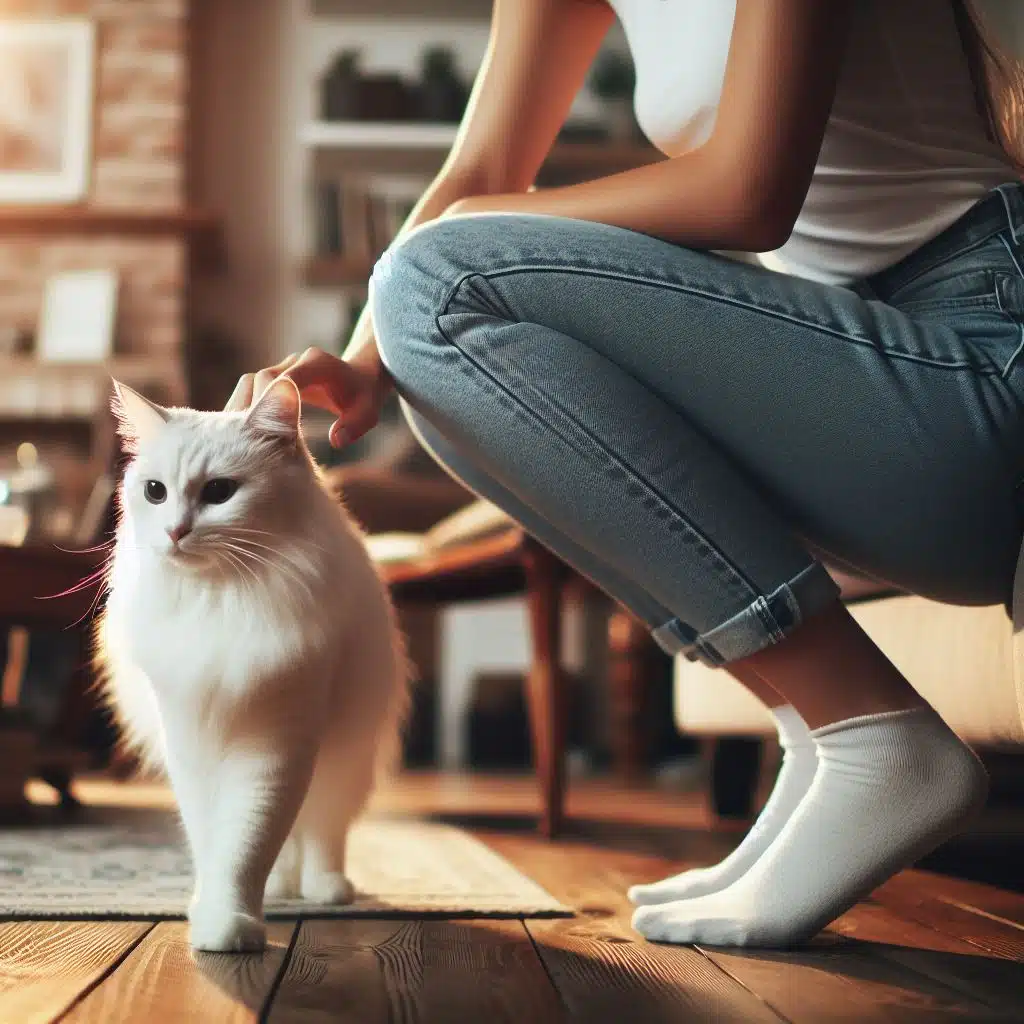

Ever wondered why your kitten seems to meow at every turn? Kittens start out meowing to their mothers for food or comfort, but as they grow, most stop using these sounds with other cats. Instead, they focus their meows on you because cats learn that humans respond best to vocal cues. If you’re searching for how to get kitten to stop meowing, it’s important to recognize that excessive meowing often happens when your kitten feels hungry, lonely, or just excited to see you.
Sometimes, excessive vocalization signals a basic need or a plea for attention. Most meowing is normal, but if you notice sudden changes or nonstop excessive vocalization, it’s smart to pay closer attention and consider how to get kitten to stop meowing by addressing their needs.
Understanding all the reasons behind each meow helps you respond better and sets the stage for exploring why kittens meow in the first place.
Key Takeaways
-
Kittens meow to communicate their needs, such as hunger, loneliness, or excitement. Pay attention to their vocalizations to understand what they want.
-
Different types of meows indicate different feelings. For example, a long meow often means your kitten is asking for food or attention.
-
If your kitten’s meowing suddenly increases or changes, it may signal stress or health issues. Monitor their behavior and consult a vet if needed.
-
Create a stimulating environment with toys and playtime to reduce excessive meowing. Engaging your kitten can help keep them happy and quiet.
-
Use positive reinforcement to train your kitten to meow less. Reward quiet behavior and ignore unnecessary vocalizations to encourage calmness.
Why Do Kittens Meow
Communication With Humans
You might wonder why do kittens meow so much, especially when you walk into a room or call their name. Kittens learn early that meowing gets your attention. Unlike adult cats, who rarely meow at each other, kittens and young cats use their voices to connect with you.
Over time, their meows become a special language just for you and your family.
Here’s a quick look at how science explains this unique bond:
|
Evidence Description |
Explanation |
|---|---|
|
Meows have evolved through domestication to serve a communicative purpose directed at humans. |
This means your kitten’s meow is designed to get your attention and share needs. |
|
Domestic cats show more variety in their meows than wild cats. |
This helps them express different feelings and requests to people. |
|
The sound of a meow can change based on the cat-owner relationship. |
Your kitten may develop a special meow just for you! |
So, when you hear your kitten meowing, she’s communicating how she’s feeling and hoping you’ll respond.
Hunger, Discomfort, and Basic Needs
One of the most common reasons for kitten meowing is hunger. Kittens need to eat more often than adult cats, so you’ll probably hear a meow when their bowl is empty or it’s close to mealtime. Sometimes, you might even ask yourself, why is my cat always hungry?
Kittens can be very vocal about their needs, especially when they want food or water.
You’ll notice different meows for different needs:
-
A high-pitched meow often means your kitten is hungry or wants attention.
-
Long, drawn-out meows can signal discomfort or pain.
-
Squeal-type meows may happen if your kitten is startled or hurt.
If your kitten meows a lot around feeding times or tries to wake you up for breakfast, she’s probably just hungry. Regular feeding schedules can help reduce this type of meowing. But if you notice excessive or unusual meowing, it could mean something is wrong, and you should check for signs of illness or discomfort.
Loneliness and Social Interaction
Kittens are social creatures. When they feel lonely, especially after being separated from their mother or littermates, they may meow more than usual. This is their way of reaching out for comfort and companionship. If you’ve just brought a kitten home, expect some extra meowing as she adjusts to her new environment.
Here are some reasons your kitten might meow for social reasons:
-
She wants to play or cuddle.
-
She feels anxious in a new place.
-
She’s looking for attention from you or other pets.
Environmental changes, like moving to a new home or introducing a new pet, can also make your kitten meow more. Even small changes, such as rearranging furniture or adding a new cat tree, can cause stress and lead to more vocalization.
Excitement and Anticipation
Not all meowing means something is wrong. Sometimes, your kitten meows because she’s excited or looking forward to something fun. You might hear chirps, trills, or playful meows when you come home, open a can of food, or bring out a favorite toy.
Some common excitement-related vocalizations include:
-
Chirps and trills as a friendly greeting or sign of curiosity.
-
Playful, chirpy sounds when exploring or chasing toys.
-
A soft trill to say hello or show anticipation.
Kittens often use these sounds to express happiness or eagerness. As they grow, their vocal habits may change, but young cats tend to be more vocal when they’re excited or curious. If you pay attention to the different types of meows, you’ll start to understand why do cats meow in certain situations.
Each sound tells you something about your kitten’s mood and needs.
Interpreting Kitten Meows
Why Is My Kitten Meowing
You probably ask yourself, why is my kitten meowing so much? Kittens use their voices for many reasons. Sometimes, they want food or attention. Other times, they feel stressed or excited. You might notice your kitten meow when you walk in the door or when she wants to play. If you hear a long meow, your kitten could be calling for you or asking for something important.
A short meow usually means she’s happy to see you. When you hear a chirrup, your kitten might want you to follow her, just like a mother cat calls her kittens.
Types of Meows and Their Meanings
Not all meows sound the same. You can learn a lot by listening to the different types of meowing your kitten uses. Here’s a quick guide:
-
Long meow: Asking for attention or food.
-
Short meow: Friendly greeting.
-
Chirrup: “Follow me!” or “Look here!”
-
Purr: Contentment, but sometimes self-soothing if upset.
-
Yowl: Distress or discomfort.
-
Crying: Searching for something or needing help.
You might also hear chirps and trills, which are playful or signal curiosity. Purring often means your kitten feels happy, but it can also show anxiety if she’s not feeling well.
|
Type of Meow |
Description |
Signs of Behavior |
|---|---|---|
|
Distress Meow |
Loud, anxious, signals fear or pain |
Hiding, panting, trying to escape |
|
Attention-Seeking Meow |
Used to get your attention, even if needs are met |
Follows you, wants interaction |
Emotional States and Vocalization
Kittens express their feelings through their voices. When your kitten feels stressed or scared, she may cry more or make high-pitched meows. If she feels happy, you’ll hear soft purrs or gentle meows. Fearful kittens sometimes hide and stay quiet until they feel safe.
If your kitten hisses or growls, she might feel threatened or uncomfortable.
Here are some signs to watch for:
-
Increased meowing during stress or big changes at home.
-
High-pitched meows can mean pain or fear.
-
Low-pitched meows often sound like complaints or demands.
-
Hissing or growling shows your kitten feels scared or upset.
If your kitten’s meowing changes suddenly or becomes nonstop, it’s smart to check for illness or stress. Trust your instincts. You know your kitten best.
When to Worry: Why Is My Cat Meowing So Much
Sudden Changes in Meowing
You know your kitten best. If you notice a sudden shift in her meowing habits, pay attention. Sometimes, a kitten who usually chirps and purrs starts meowing nonstop or vocalizing at odd hours. Sudden increases in vocalization can signal stress, pain, or illness. You might hear urgent meows that sound different from her usual calls. Nighttime meowing or loud yowling can disrupt your sleep and leave you wondering, why does my cat meow at night?
These changes often mean your kitten needs help.
Here are signs that your kitten’s meowing has become excessive and may require intervention:
-
Meowing at inappropriate times, like throughout the night
-
Sudden increases in vocalization
-
Meowing that sounds painful or distressed
-
Vocalizations that don’t respond to normal attention or care
-
Disruption of sleep due to nighttime meowing
-
Changes in the sound of meowing compared to usual
If you spot any of these behaviors, don’t ignore them. Your kitten could be trying to tell you something important.
Medical Issues and Warning Signs
Excessive meowing sometimes points to medical problems. Health issues like hyperthyroidism, hypertension, or cognitive dysfunction can cause your kitten to meow more. Pain from dental disease or arthritis may also lead to increased vocalization. Hunger due to illness can result in persistent meowing. You might notice your kitten meowing nonstop, especially if she shows physical symptoms like vomiting, limping, or poor grooming.
Common medical conditions linked to excessive meowing include:
-
Hypertension
-
Overactive thyroid
-
Cognitive dysfunction
-
Neurological issues or brain tumors
Sound changes in your kitten’s meow often appear early when something is wrong.
If your kitten’s behavior changes, such as increased neediness or distance, she may feel pain or stress.
When to Consult a Vet
You might ask yourself, when to go to the vet for cat meowing? If your kitten’s meowing seems out of character or becomes excessive, schedule a veterinary exam. Early evaluation helps rule out health issues. Sudden changes in meowing frequency may indicate disease. Look for symptoms like appetite loss, vomiting, or poor grooming.
Excessive or unusual meowing, especially if new or constant, should prompt a visit to the vet.
Here’s when you should consult a vet:
-
Meowing behavior changes or escalates
-
Sudden changes in vocalization
-
Accompanying symptoms like appetite loss or vomiting
-
Excessive meowing that disrupts daily life
Don’t wait if you feel concerned. Early intervention can make a big difference for your kitten’s health and comfort. 😺
How to Get Kitten to Stop Meowing
Meeting Basic Needs
You want to know how to get kitten to stop meowing. Start with the basics. Kittens meow when they need something. Check food and water bowls. Make sure your kitten eats enough and drinks fresh water. Hunger is a top reason for vocalization. Feed your kitten on a regular schedule. Try giving a small meal before bedtime. This can help calm a crying kitten at night.
Look for signs of discomfort.
Is your kitten’s litter box clean? Dirty boxes make kittens meow for help. Keep the box tidy and scoop daily. Check for signs of illness or pain. If your kitten keeps meowing, look for limping, vomiting, or changes in grooming. These signs mean you should call your vet. Spaying or neutering your kitten helps too.
Hormone-driven meowing drops in most cases after this procedure. You can prevent unwanted vocalization and help your kitten feel more relaxed.
Environmental Enrichment
Bored kittens meow more. You can calm a crying kitten by making her environment fun and stimulating. Indoor cats often get bored, which leads to excessive meowing. Try adding toys, scratching posts, and puzzle feeders. These items keep your kitten busy and happy.
Here’s a table showing enrichment strategies and their effects:
|
Environmental Enrichment Strategies |
Effect on Excessive Meowing |
|---|---|
|
Providing toys |
Reduces vocalization |
|
Adding window perches |
Reduces vocalization |
|
Using interactive feeders |
Reduces vocalization |
|
Enriched environments (study) |
45% reduction in nighttime vocalizations |
Window perches let your kitten watch birds and squirrels. Puzzle feeders make mealtime a game. Interactive toys, like feather wands or laser pointers, encourage exercise and play. The American Veterinary Medical Association recommends at least 20 minutes of play every day. This helps reduce meowing and keeps your kitten healthy.
Behavioral Strategies
You can train your kitten to meow less. Positive reinforcement works best. Reward quiet behavior with treats, petting, or play. Ignore meowing unless your kitten needs something important. Consistent training helps your kitten learn that silence gets rewards.
Try interactive play. Spend 15-20 minutes each day playing with your kitten.
Toys like feather wands and laser pointers work well. Studies show that daily play reduces attention-seeking meowing in most cats. If your kitten meows for attention, redirect her to a toy or puzzle feeder.
Here are some effective strategies:
-
Reward quiet moments with treats or affection.
-
Ignore excessive meowing unless it signals a real need.
-
Use interactive toys to distract your kitten.
-
Provide scratching posts and jungle gyms for climbing.
-
Monitor breed tendencies. Some breeds, like Siamese, naturally meow more.
Training and behavior modification can reduce vocalization in most kittens within two weeks. Environmental enrichment decreases attention-seeking meowing by up to 35%. If you want to calm a crying kitten, combine these strategies for best results.
If you follow these steps, you’ll learn how to get kitten to stop meowing. Address basic needs, enrich the environment, and use positive training. You’ll help your kitten feel safe, happy, and understood. You see kittens meow for many reasons—hunger, discomfort, curiosity, or just wanting your attention.
Most meowing is normal, but sudden changes can signal stress or health issues.
-
Watch for unusual meowing or shifts in behavior.
-
Consult your vet if you notice pain or confusion.
Try positive reinforcement and interactive play to manage meowing and build a strong bond. Feed your kitten before bed and create a cozy space for restful nights. 🐾
FAQ
Why does my kitten meow at night?
Your kitten may meow at night because she feels hungry, lonely, or bored. Try feeding her before bedtime and provide toys. If the meowing continues, check for signs of discomfort or illness.
Can I train my kitten to meow less?
Yes, you can train your kitten to meow less. Reward quiet moments with treats or affection. Ignore unnecessary meowing. Consistent routines and interactive play help reduce vocalization.
Should I worry if my kitten suddenly starts to meow more?
If your kitten suddenly starts to meow more, pay attention. Sudden changes can signal stress, pain, or illness. Watch for other symptoms and contact your vet if you feel concerned.
What breeds meow more than others?
Some breeds, like Siamese and Bengals, naturally meow more. These cats love to communicate. If you want a quieter kitten, consider breeds like Ragdoll or British Shorthair.
How can I tell if my kitten’s meow means something serious?
Listen for urgent or distressed meows. If your kitten’s meow sounds painful or she shows signs like limping or vomiting, call your vet. Trust your instincts and observe her behavior.

In her previous life, Lisa traveled extensively, both for work and leisure. After the pandemic struck, Lisa locked up her luggage and adopted a cat ever since.
Lisa is now an avid cat lover, she devotes most of her free time serving as butler to her adorable feline at home. When she is not with her cat, she can be seen using her phone sourcing for the latest cat supplies online.