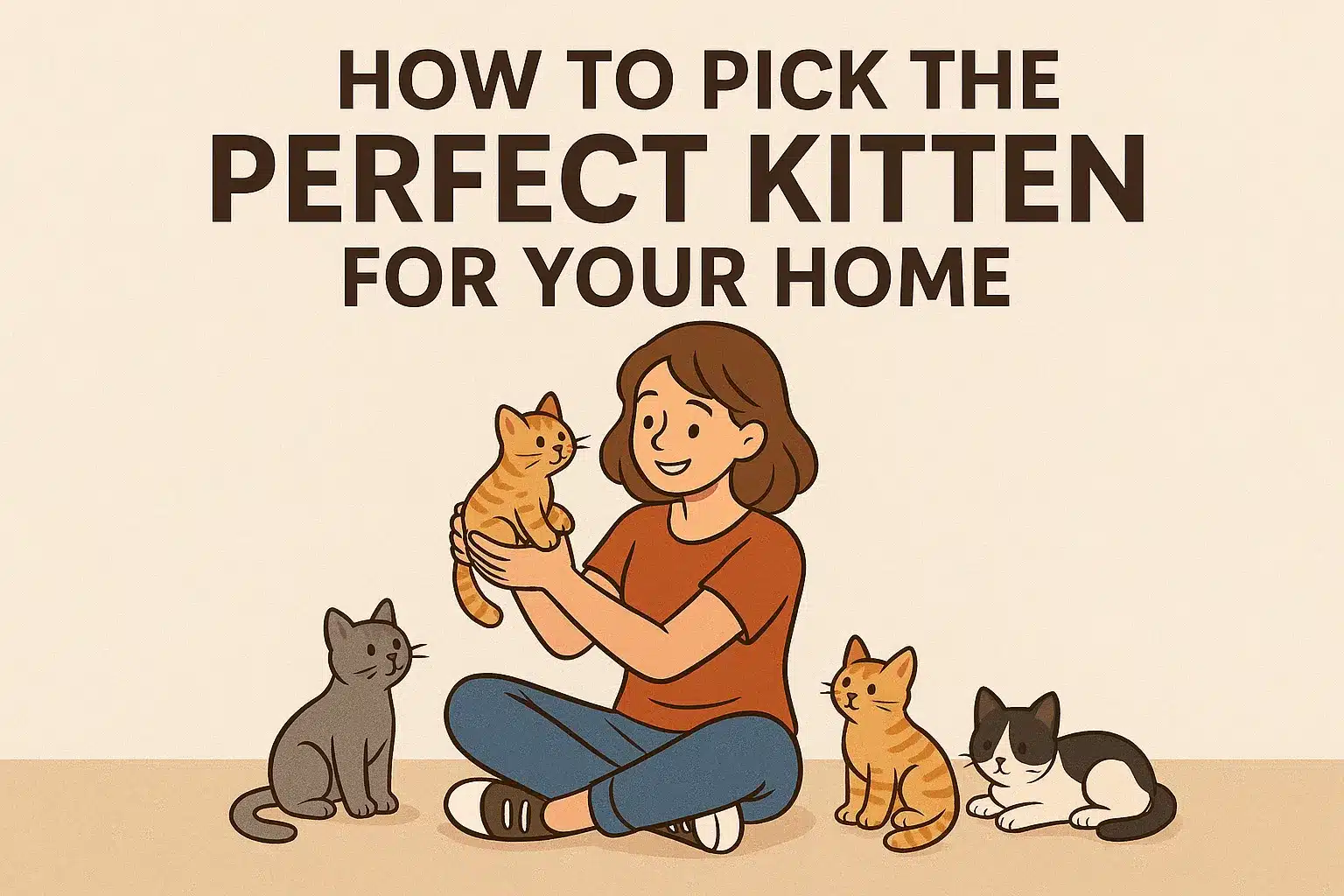
Choosing the right kitten for your home involves more than just picking the cutest one. Around 35% of U.S. households own cats, with millions adopting kittens annually. Understanding how to pick a good kitten ensures a harmonious match for your lifestyle. A thoughtful approach creates a rewarding bond that lasts for years.
How to Pick a Good Kitten Based on Your Lifestyle
Assess Your Household Activity Level
Your household’s activity level plays a significant role in determining what sort of kitten will thrive in your home. If your home is bustling with energy, a playful and outgoing kitten may be a good fit. These kittens enjoy interaction and adapt well to active environments. If your home is quieter, a more relaxed and independent kitten might suit your lifestyle better. Observe how kittens interact with their surroundings. Active kittens often chase toys or explore their environment, while calmer ones may prefer lounging or observing from a distance.
Understanding your household’s energy level helps you choose a kitten that complements your daily routine.
Decide on Desired Traits and Energy Levels
Think about what sort of kitten you want in terms of personality and energy. Do you prefer a kitten that is affectionate and cuddly, or one that is adventurous and curious? Each kitten has unique traits, so identifying your preferences ensures a good match. High-energy kittens require more playtime and stimulation, while low-energy kittens are content with minimal activity.
When learning how to pick a kitten from a litter, spend time observing their behavior. This helps you identify traits that align with your expectations.
Consider Time and Resources for Care
Caring for a kitten requires time, effort, and financial resources. Before you choose a kitten, evaluate your ability to meet their needs. Kittens need daily feeding, grooming, and playtime. Veterinary care, including vaccinations and check-ups, is essential for their health. If your schedule is demanding, consider whether you can dedicate enough time to their care.
Knowing how to pick a good kitten involves ensuring you can provide a stable and nurturing environment.
How to Choose the Right Kitten by Evaluating Personality
Observe Kitten Behavior and Socialization
When you observe kittens, their behavior reveals a lot about their personality. Well-socialized kittens tend to grow into friendly and approachable adult cats. These kittens are easier to handle and adapt well to new environments. The ideal socialization period occurs between 2 and 7 weeks of age. During this time, kittens should experience various interactions, including meeting at least 100 people by 5 weeks old. This exposure helps them become confident and comfortable around humans.
Look for kittens that approach you willingly, purr when held, and show curiosity about their surroundings. These traits indicate a kitten that has been properly socialized and is likely to thrive in a home setting.
Assess Compatibility with Family and Pets
Choosing a kitten that fits your family dynamic is essential. Consider the energy levels and sociability of the kitten. For active households, energetic breeds are a better match. In quieter homes, calm and reserved kittens feel more at ease. If you have young children, adult cats may be a safer option due to their patience and resilience. Compatibility with other pets also matters. A kitten that shows curiosity rather than fear when meeting other animals is more likely to integrate smoothly.
Use the table below to guide your decision:
|
Family Factor |
Best Cat Type |
|---|---|
|
Active Lifestyle |
Energetic Breeds |
|
Relaxed Lifestyle |
Calm Breeds |
|
Allergies |
Hypoallergenic Breeds |
|
Young Children |
Adult Cats |
Look for Signs of Confidence and Playfulness
Confident kittens display certain behaviors that make them stand out. They explore their environment without hesitation, engage in play, and interact with people and toys. Playfulness is another key indicator of a healthy and happy kitten. Watch for kittens that chase toys, pounce, or wrestle with their littermates. These actions show they are comfortable and well-adjusted. When learning how to pick a good kitten, focus on those that balance confidence with a playful demeanor. This ensures you choose the right kitten for a harmonious and joyful home.
How to Pick Out a Kitten That is Healthy
Perform a Basic Physical Check
When you pick out a kitten, a quick physical check can reveal a lot about its health. Start by observing its overall appearance and behavior. A healthy kitten should have bright, clear eyes, a clean nose, and a shiny coat free of bald spots or excessive dandruff. Check for signs of alertness and curiosity, as lethargy may indicate underlying issues.
Use the table below to guide your assessment of key health indicators:
|
Indicator |
Description |
|---|---|
|
Urine Color |
Healthy urine is pale yellow; bright or dark yellow may indicate dehydration. |
|
Behavior |
A healthy kitten should move appropriately for its age and vocalize when woken. |
|
Temperature |
Normal temperature ranges from 97°F to 102.5°F; higher suggests fever, lower suggests hypothermia. |
|
Weight |
Weight should increase by 7-14 grams daily in the first weeks; plateauing or loss is concerning. |
These checks help you identify visible signs of health before making a decision.
Review Health History and Vaccination Records
Before finalizing your choice, review the kitten’s health history and vaccination records. This step ensures the kitten has received proper care and is protected against common diseases. Follow these essential steps:
-
Schedule a vet visit immediately after adoption. Bring any existing health records to streamline the process.
-
Confirm the kitten has received core vaccines, such as FVRCP every 3-4 weeks and rabies at 12 weeks.
-
Request tests for transmissible diseases like feline leukemia, FIV, and heartworms, especially if you have other pets.
These precautions safeguard the kitten’s health and help you avoid unexpected medical issues.
Consult a Veterinarian Before Finalizing
A veterinarian’s expertise is invaluable when selecting a kitten. Schedule a pre-adoption consultation to ensure the kitten is in good health. The vet can perform a thorough examination, including checking for parasites, dental issues, or congenital defects. They can also provide guidance on nutrition, spaying or neutering, and long-term care.
Consulting a professional gives you confidence in your decision and sets your kitten up for a healthy start in life.
Should You Select a Kitten or Two?
Benefits of Adopting Two Kittens
Adopting two kittens offers several advantages that enhance their well-being and your experience as a pet owner.
-
Kittens learn faster by observing each other, which helps them develop essential skills.
-
They redirect play aggression toward each other, reducing the likelihood of biting or scratching humans.
-
A pair of kittens provides mutual entertainment, keeping them mentally stimulated and socially enriched.
-
They keep each other occupied, which minimizes destructive behaviors like scratching furniture.
-
Introducing two kittens to an adult cat is often easier than introducing one.
-
A companion helps a kitten adjust to a new home more comfortably.
-
Adopting a bonded pair ensures a harmonious relationship, reducing future integration challenges.
Having two kittens creates a dynamic and engaging environment, making it easier for them to thrive.
Challenges of Raising a Single Kitten
Raising a single kitten can present unique challenges. Without a playmate, a kitten may develop clingy behavior, excessive vocalization, or destructive tendencies. They might also struggle with inappropriate elimination outside the litter box due to stress or boredom. A single kitten often relies heavily on you for entertainment and companionship, which can be demanding if you have a busy schedule.
Factors to Consider When Deciding
When deciding whether to adopt a kitten or two, evaluate your household dynamics and resources. Consider the time you can dedicate to their care and the space available in your home. If you already have an adult cat, introducing two kittens may ease the transition. Financial readiness is another factor, as two kittens require double the food, supplies, and veterinary care.
Picking the right number of kittens depends on your ability to meet their physical and emotional needs. Make sure your choice matches your lifestyle and your commitment to a loving home, no matter if it’s one or two.
Preparing Your Home Before You Choose a Kitten
Gather Essential Supplies
Before bringing home your kitten, prepare by gathering all the essential supplies they’ll need for a comfortable start. A cat carrier ensures safe transportation, while kitten-specific food supports their nutritional needs. Provide food and water bowls that are easy to clean and appropriately sized. Treats can help with training and bonding. Grooming tools like a nail trimmer, brush, and toothbrush with kitty toothpaste keep them healthy.
Toys are vital for mental stimulation and physical activity. Include a scratching post to protect your furniture and satisfy their natural instincts.
A cozy cat bed and a cat tree offer spaces for rest and exploration. Don’t forget a litter box with suitable litter for their bathroom needs. An ID tag and collar add an extra layer of safety. Having these items ready ensures your kitten feels welcome and cared for from day one.
Cat-Proof Your Home
Kittens are naturally curious, so cat-proofing your home is essential to keep them safe. Secure screens on windows to prevent falls and store cleaning supplies in closed cabinets. Remove poisonous plants or place them out of reach. Keep toilet lids down to avoid accidents and store plastic bags safely to eliminate suffocation risks. Inspect high shelves and low cupboards for fragile or hazardous items. Store needlework supplies in sealed containers and secure window blind cords to prevent strangulation. Covered wastebaskets keep trash inaccessible, while closed dryer doors prevent kittens from hiding inside.
Remove stray rubber bands and tie up drapes to avoid ingestion or entanglement. These steps create a safe environment for your kitten to explore.
Plan the Acclimation Process
A smooth acclimation process helps your kitten adjust to their new home. Start by setting up a confined, kitten-proofed area where they can explore at their own pace. Gradually introduce them to other parts of the house under supervision. Keep other pets in a separate area initially and use scent swapping to familiarize them with the kitten. Engage in short, positive interactions to build trust and schedule regular playtime to strengthen your bond. Teach proper play techniques by redirecting inappropriate behaviors like biting or scratching. A structured acclimation plan reduces stress and helps your kitten feel secure in their new environment.
Picking the perfect kitten involves understanding how to pick a good kitten that matches your lifestyle, personality preferences, and home environment. Avoid common mistakes like neglecting health checks or overlooking socialization. Take your time, ask questions, and observe behavior.
A thoughtful decision ensures a joyful, long-term bond with your new furry friend.

In her previous life, Lisa traveled extensively, both for work and leisure. After the pandemic struck, Lisa locked up her luggage and adopted a cat ever since.
Lisa is now an avid cat lover, she devotes most of her free time serving as butler to her adorable feline at home. When she is not with her cat, she can be seen using her phone sourcing for the latest cat supplies online.